
There's a number floating around FIFA's headquarters that should terrify anyone who loves this sport: 104 matches. That's how many games will be played across North America in the summer of 2026 — up from 64 in Qatar, 64 in Russia, 64 all the way back to 1998. Add 48 teams, three host countries, and a time-zone spread that stretches from Vancouver to Mexico City to New York, and you've got the recipe for something unprecedented in World Cup history.
And I don't mean that as a compliment.
I've been following this tournament since I was a kid taping matches on VHS, and I can't remember a World Cup buildup quite like this one. It's not just the expanded format. It's the money, the politics, the heat, the logistics, the sheer audacity of it all. Let's be honest — this thing has controversy baked in from the opening whistle.
The 48-Team Experiment Nobody Actually Asked For
FIFA sold the expansion as a gift to the developing football world. More teams, more dreams, more countries getting a shot at the biggest stage. Sounds lovely on a press release.
Here's what most people miss: the 2026 World Cup format is a logistical nightmare dressed up as inclusion. With 48 teams split into 12 groups of four, the top two from each group advance — plus the eight best third-placed teams. That means 32 teams survive the group stage. Congratulations, you've basically created a tournament where nearly everyone gets a participation trophy before the real competition even starts.
Critics (myself included) worry about the quality gap. We're about to watch some genuinely lopsided scorelines in the group stage — think 7-0, 8-1 territory. The romance of the underdog is real, but there's a fine line between a fairy tale and a massacre.
Heat, Humidity, and the Great Kickoff Time Debate
Remember Qatar 2022 and how everyone lost their minds about playing in desert heat? Fair criticism. But here's the thing — North America in June and July isn't exactly a cool breeze either.
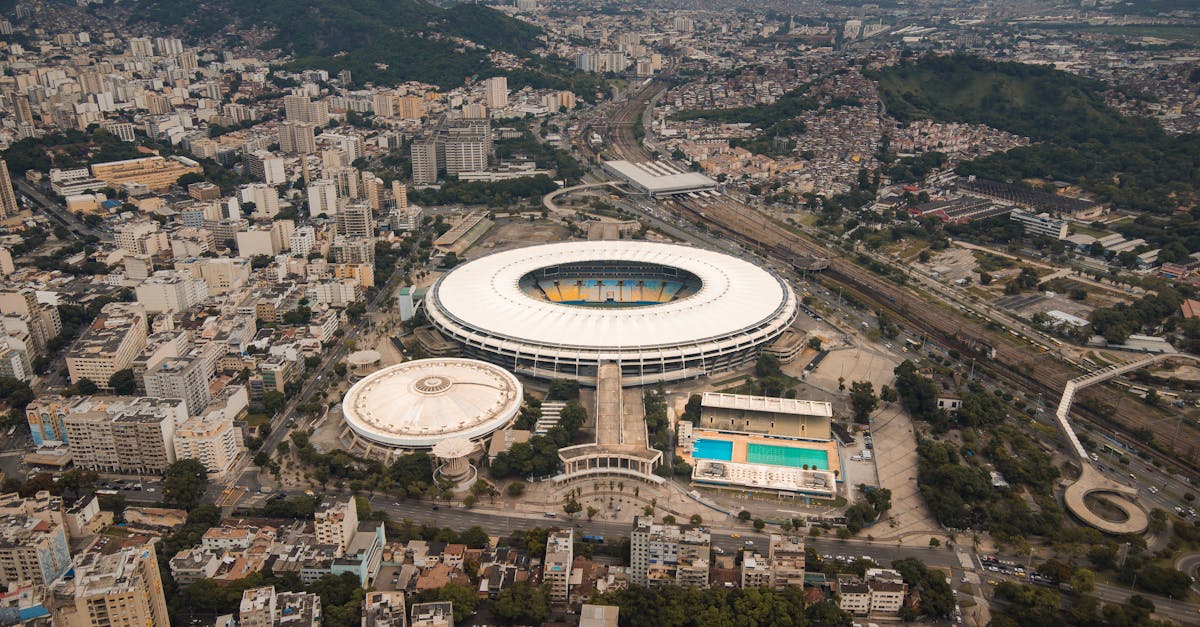
Matches in Dallas, Houston, Miami, and Monterrey will be played in temperatures that regularly push past 95°F (35°C) with humidity that makes you feel like you're breathing through a wet towel. FIFA has promised air-conditioned stadiums in some venues, but not all of them are covered. And with kickoff times designed to please European TV audiences, we're looking at players running 90 minutes in peak afternoon sun.
I've found that organizers keep pointing to "advanced cooling technology" like that solves everything. It doesn't. Ask any player who's cramped up at minute 70 in Orlando in July.
Then there's the kickoff time mess. To satisfy broadcasters in Europe and Asia, some matches will start at times that make zero sense locally. A group-stage game in Seattle kicking off at 9 PM local? Sure, if you want to sell tickets to nobody. The tension between maximizing global TV revenue and respecting local fans is going to boil over, and I'd bet money we'll see empty seats in prime-time slots that were "sold out" on paper.
Money Talks, and It's Screaming
FIFA projected record revenues north of $11 billion for this cycle. Ticket prices for the 2026 World Cup have already drawn blood — dynamic pricing has pushed some final tickets into the thousands, and even group-stage matches in less glamorous cities aren't cheap.
Let's be honest: the 2026 World Cup is shaping up to be the most expensive tournament for fans in history. Flights, hotels, tickets, food — a family of four trying to catch three matches could easily spend five figures. The working-class supporter who built the culture of this sport is being priced out in real time.
And don't get me started on the ticketing platform. If the last few major tournaments taught us anything, it's that FIFA's digital infrastructure crumbles the moment demand spikes. Expect chaos. Expect bots. Expect someone on Reddit figuring out a workaround before FIFA does.
The Politics That Won't Stay on the Sidelines
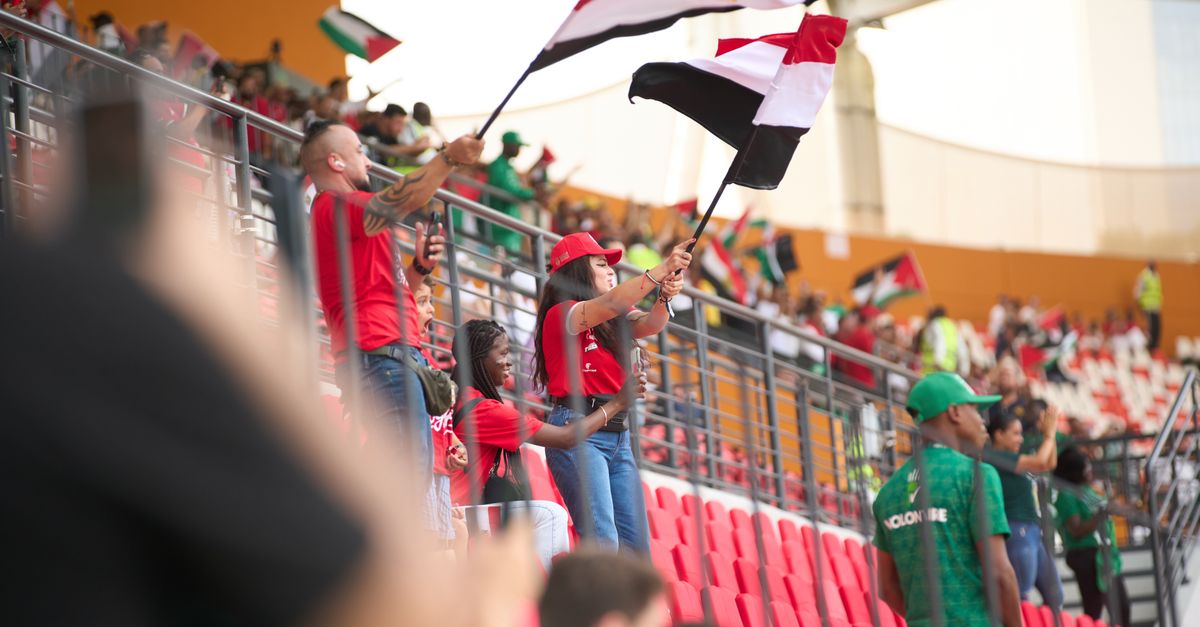
You can't host a World Cup in the United States in 2026 without politics crashing the party. Immigration policies, visa requirements, and travel restrictions will directly affect which fans — and which players' families — can actually attend.
Several federations have already raised quiet concerns about whether their supporters will be granted entry. There's also the small matter of human rights scrutiny, which FIFA loves to talk about during bidding and conveniently forgets once the contracts are signed.
Then there's the three-nation coordination problem. The US, Mexico, and Canada are co-hosting, but they're operating under different laws, different security protocols, and frankly, different political climates. What happens if a diplomatic spat erupts mid-tournament? What happens if border policy shifts three weeks before kickoff?
Here's what most people miss: co-hosting a World Cup across three sovereign nations has never been done before. There's no playbook. Every logistical hiccup gets magnified.
The Player Welfare Elephant in the Room
The 2026 World Cup will follow an already brutal club season. Domestic leagues, continental competitions, and an expanded Champions League format mean top players are arriving at the tournament running on fumes.
FIFA's response? Extend the tournament to 39 days and add more matches.
Let me break down why this is a problem:
- Recovery windows shrink between matches for teams that go deep
- Injury risk climbs when players log 60+ games before the tournament even starts
- Quality of play drops when the best athletes on earth are visibly exhausted by the quarterfinals
- Club vs. country tensions explode as teams demand compensation for players who break down

So, Will It Actually Be a Disaster?
Here's my honest take: it probably won't be a disaster. It'll be messy, overpriced, and politically fraught — but it'll also produce moments of magic that remind us why we watch. A 48-team World Cup means more nations, more stories, more chances for a kid from a country nobody expected to score the goal that breaks the internet.
The real question isn't whether 2026 will be controversial. It's whether the controversy will be worth it.
And that's something we won't know until the final whistle in July 2026.
What do you think — is the expanded format a bold step forward or a cash grab dressed in a soccer jersey? Drop your take in the comments. I read every single one, and I'm genuinely curious whether I'm the only one feeling uneasy about this one.


