The first time I heard the distinct pop-pop-pop of a pickleball paddle, I was walking my dog through a local park on a Tuesday morning. It was 10 AM. The tennis courts were empty, as usual. But the two repurposed tennis courts next to them? They were a hive of activity. Four separate games were happening simultaneously on spaces that would normally host one lethargic tennis match. The players ranged from teenagers in gym shorts to retirees in wide-brimmed hats, all laughing, shouting, and moving in that quick, shuffling dance unique to the game. I stopped and watched for twenty minutes. That’s when it hit me: this wasn’t just a game. It was a social phenomenon happening right under our noses.
Pickleball’s statistics are staggering—it’s been the fastest-growing sport in America for three years running, with millions of new players picking up a paddle. But the numbers only tell half the story. The real magic, the part that most headlines miss, is how this quirky-named sport is fundamentally rewiring the social and physical fabric of our communities. It’s not just a sport you play; it’s a community you join.
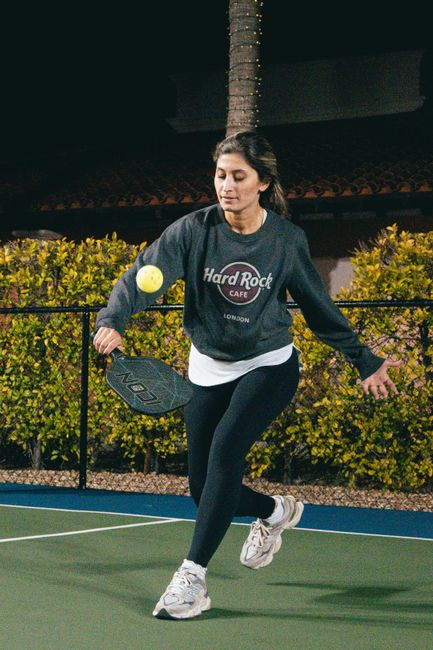
From Backyard Invention to Community Anchor
Let’s be honest, the name sounds silly. It was invented in 1965 on Bainbridge Island by three dads trying to cure their kids’ summer boredom, using a badminton court, some ping-pong paddles, and a wiffle ball. The story goes that the family dog, Pickles, would chase the ball, hence the name. It was destined to be a fun family pastime. But here’s what happened: the core design was deceptively brilliant. The smaller court (about a quarter the size of a tennis court) made it accessible. The underhand serve and slow ball reduced the barrier to entry. You could have a fun, competitive rally in your first 10 minutes, a feeling that can take months to achieve in tennis.
This inherent accessibility is the rocket fuel for its community impact. It’s a low-impact sport that’s easy on aging joints, making it a godsend for active seniors looking for social connection and exercise. Yet, it’s fast-paced and strategic enough to attract hyper-competitive athletes. Where else do you see a 75-year-old grandmother partnered with a 25-year-old college grad, both fully invested in the point? That intergenerational bridge is rare in modern, siloed life.
The "Third Place" Phenomenon: More Than Just Points
Sociologists talk about the importance of "third places"—not home (first place), not work (second place), but those communal areas where community happens. For decades, that was the town diner, the bowling alley, the local bar. Many of those have faded. I’ve found that pickleball courts are becoming the new third place.
Think about it. The games are short. There’s natural downtime between matches. The culture, by and large, is incredibly welcoming and social. You show up, put your paddle in the queue (the universal "next" system), and you’re in the rotation. You chat with strangers while you wait. You partner with someone new. You dissect the last point. Before you know it, you’re not just playing a sport; you’re building a network. You’re hearing about local businesses, sharing life updates, and forming friendships that extend beyond the court line. It’s organic, unforced community building, driven by shared fun.

The Economic and Civic Ripple Effect
This isn’t just feel-good stuff; it has tangible economic and civic consequences. Cities and towns are scrambling to meet demand, leading to a fascinating shift in public space usage: Court Conversions: Empty tennis courts and underused parking lots are being striped for pickleball, breathing new life into neglected infrastructure. Dedicated Facilities: Pickleball-specific facilities are popping up everywhere, from massive indoor complexes to chic, membership-based clubs with bars and lounges. Local Business Boost: Those players need gear, yes, but they also go out for coffee, beers, or lunch together after morning play sessions. Courts are driving foot traffic.
The civic engagement piece is powerful. Pickleball players are becoming a vocal constituency. They show up to town council meetings to advocate for more courts. They form clubs and organize round-robins and charity tournaments. They’re actively shaping their local environments, fighting for shared public spaces. In an era of digital isolation, that’s a profoundly healthy trend.
The Unifying Language of the "Dink"
Here’s what most people miss when they see the sport from the outside: pickleball has created its own unifying culture and lingo. The gentle, strategic drop shot into the non-volley zone (the "kitchen") is called a "dink." A powerful overhead smash is a "banger." This shared vocabulary creates instant camaraderie. You’re not just learning a game; you’re learning the secret handshake to a new, widespread community.
It also levels the playing field in a unique way. Raw power and athleticism alone won’t win you a pickleball game. Strategy, touch, patience, and partnership are paramount. This evens the odds and makes the game endlessly engaging. You’re always learning, always adapting. That intellectual hook keeps people coming back.
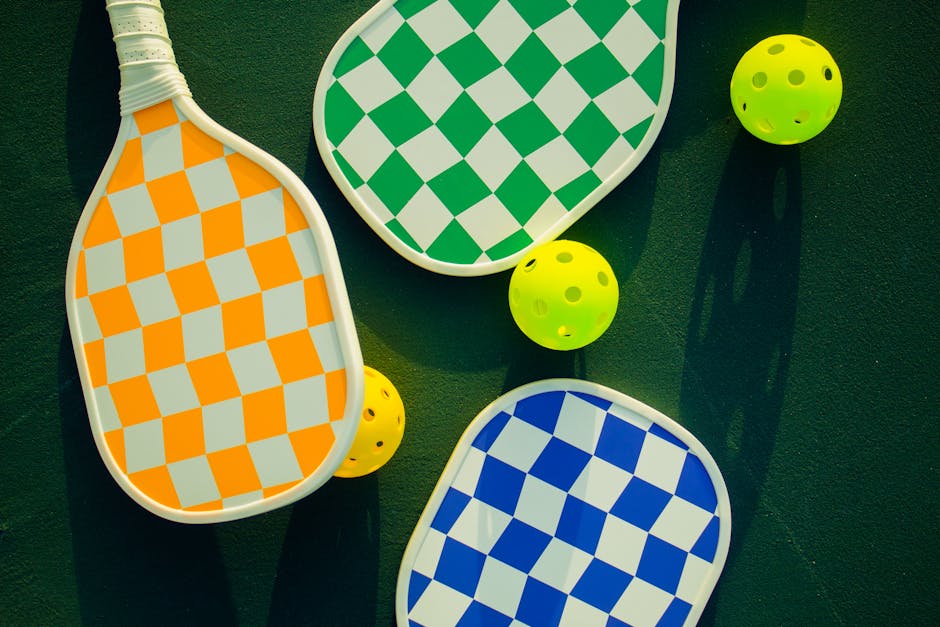
The Challenge Ahead: Growing Pains of a Phenomenon
Of course, this explosive growth isn’t without friction. The infamous "pickleball noise" debate—the persistent pop* of the plastic ball—is a real point of contention with neighbors near new courts. There’s tension with tennis traditionalists over court space. And as the sport professionalizes with big money and elite athletes, there’s a risk of losing that grassroots, inclusive vibe that made it so special in the first place.
The test for communities will be managing this growth thoughtfully—creating spaces where the sport can thrive without creating new divisions. It’s a high-class problem to have: too many people wanting to be active and social in a public space.
So, what’s the real takeaway? The rise of pickleball is about more than sport. It’s a case study in how a simple, well-designed activity can fill a void we didn’t even know we had. It’s providing physical activity, social connection, and civic engagement in one neat, fun-packed package. It’s reminding us that community isn’t something that just happens; it’s something we build through shared experiences.
Maybe it’s time to grab a paddle, head to your local courts, and put your name in the queue. The next point is about to start, and the community is waiting.