
Let me tell you something that would've gotten me laughed out of a sports bar ten years ago: I haven't watched a full NFL game on a television in over two years. Not one. And I consider myself a bigger football fan than I've ever been.
If that sentence makes you twitch a little, good. Because that twitch is exactly the tension I want to talk about — the quiet, messy, absolutely fascinating way millennials and Gen Z are rewriting the rules of sports fandom, and why the old guard keeps scratching their heads while the rest of us are watching the game on a phone, in a group chat, with a Twitch stream running in the background.
Here's the thing nobody wants to admit: the rules didn't break. They got rewritten. And the people holding the pen are under 40.
The Couch Isn't Dead, It Just Moved Into Your Pocket
I've found that most sports commentary still assumes fandom means one thing: you sit down, you watch the broadcast, you scream at the ref, you go to bed. That model worked when there were three channels and nothing else competing for your attention. It does not work now, and pretending it does is how leagues end up with a demographic cliff and no idea why.
Gen Z doesn't consume sports the way their parents did. They consume it like they consume everything else — in fragments, on their terms, and usually while doing three other things. A highlight here. A meme there. A two-minute recap on YouTube. A TikTok breakdown of a blown coverage that's funnier and more informative than the halftime show.
Is that less committed? I'd argue it's more. Because here's what most people miss: attention isn't the same as engagement. My dad watched every snap and forgot the game by Tuesday. I watch the condensed version, argue about it in a Discord with twelve strangers, and I'm still thinking about that fourth-quarter decision a week later.

Loyalty Got Weird — And Honestly, Better
Let's be honest about the uncomfortable part. Traditional fandom was often inherited. You rooted for your dad's team because your dad rooted for his dad's team, and questioning that was basically treason.
Millennials and Gen Z broke the chain. And yeah, some of that is bandwagon behavior — I'm not going to pretend the kids aren't suddenly lifelong fans of whoever just won a championship. But a lot of it is something else entirely: players over teams. They follow the human, not the logo.
Think about it. A young fan might follow Ja Morant, then follow the Grizzlies, then follow whoever Ja plays for next, then follow the rookie Ja mentored. That's not disloyalty. That's a different kind of loyalty — one built on connection, personality, and story rather than geography and birthright.
And you know what? Athletes have never been more accessible. Podcasts. Behind-the-scenes vlogs. Players tweeting through their own bad games. The distance between star and fan collapsed, and Gen Z walked straight through the gap.
The Group Chat Is the New Stadium
Here's my favorite part of this whole shift.
For most of sports history, being a fan was a solo emotional experience punctuated by occasional group shouting. You felt the agony of a missed field goal alone in your living room, then maybe texted one friend.
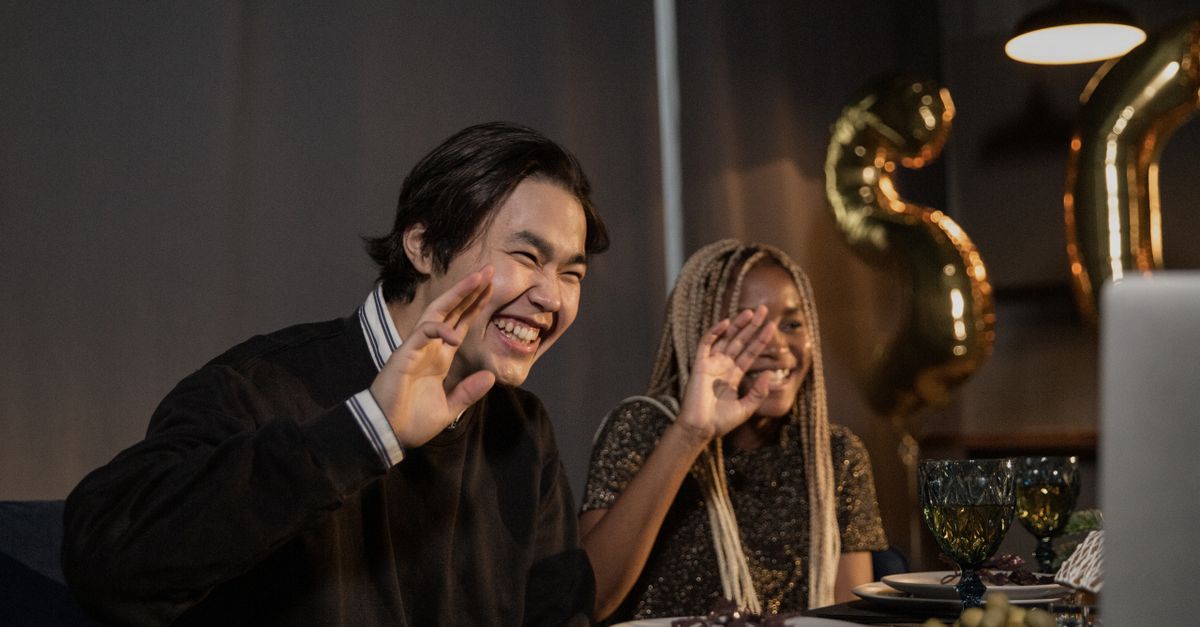
Now? The group chat is the venue. The live reactions, the cursed GIFs, the "I'm done with this team" followed by "okay I'm back" ninety seconds later — that's the product. The game is the content; the community is the point.
I've found that Gen Z fans often care more about sharing the moment than witnessing it in pristine HD. A grainy stream with lag and six friends roasting each other beats a flawless 4K broadcast alone every single time.
Which explains something the old guard finds baffling: why young fans will watch a random regular-season game between two teams they don't care about. Answer — because their friends are watching. Fandom became social currency, not geographic obligation.
Why the Old Playbook Is Quietly Panicking
Let me get a little spicy here, because this is where the real story lives.
Leagues and broadcasters built empires on a simple math: big TV deals, cable subscriptions, and a captive audience that had no choice. That math is dying, and everyone in the boardroom knows it. Ratings for some traditional broadcasts slide while the total consumption of sports content — clips, highlights, reactions, hot takes — explodes upward.
So what's actually happening?
- Cable is collapsing and taking the old revenue model with it.
- Streaming fragmentation means fans chase games across five apps instead of one channel.
- Short-form video is now the entry point for new fans, not the two-hour broadcast.
- Athlete-led media — podcasts, YouTube, player-run channels — competes directly with legacy sports talk.
And the leagues that figure this out first — that meet Gen Z where they actually are instead of lecturing them about "real fandom" — are going to eat everyone else's lunch.
The Truth Nobody Wants to Say Out Loud
Let me be blunt, because I think you can handle it.
Gatekeeping fandom is a losing game. Every time someone says "you're not a real fan unless you watch every game live," they're not defending tradition — they're shrinking the sport. They're telling a fifteen-year-old who discovered basketball through a highlight reel that she doesn't belong. That's not loyalty. That's a membership fee nobody agreed to pay.
The beauty of where fandom is heading is that it's bigger, not smaller. More entry points. More ways to care. More people who might, one day, decide to buy a jersey, fly to a game, or raise a kid who loves the sport just as much as you do.
I've found that the fans who worry loudest about "the kids ruining fandom" are usually the ones who forgot why they fell in love with it in the first place. It wasn't the broadcast package. It wasn't the cable subscription.
It was the feeling. The belonging. The shared scream.
That part isn't going anywhere. It's just living somewhere new.
So here's my challenge to you: next time you catch yourself side-eyeing a Gen Z fan watching a game on their phone in a coffee shop, ask them who they're rooting for. Ask them why. I bet you'll learn something — and I bet you'll like the answer more than you expected.
The rules changed. The love didn't.


