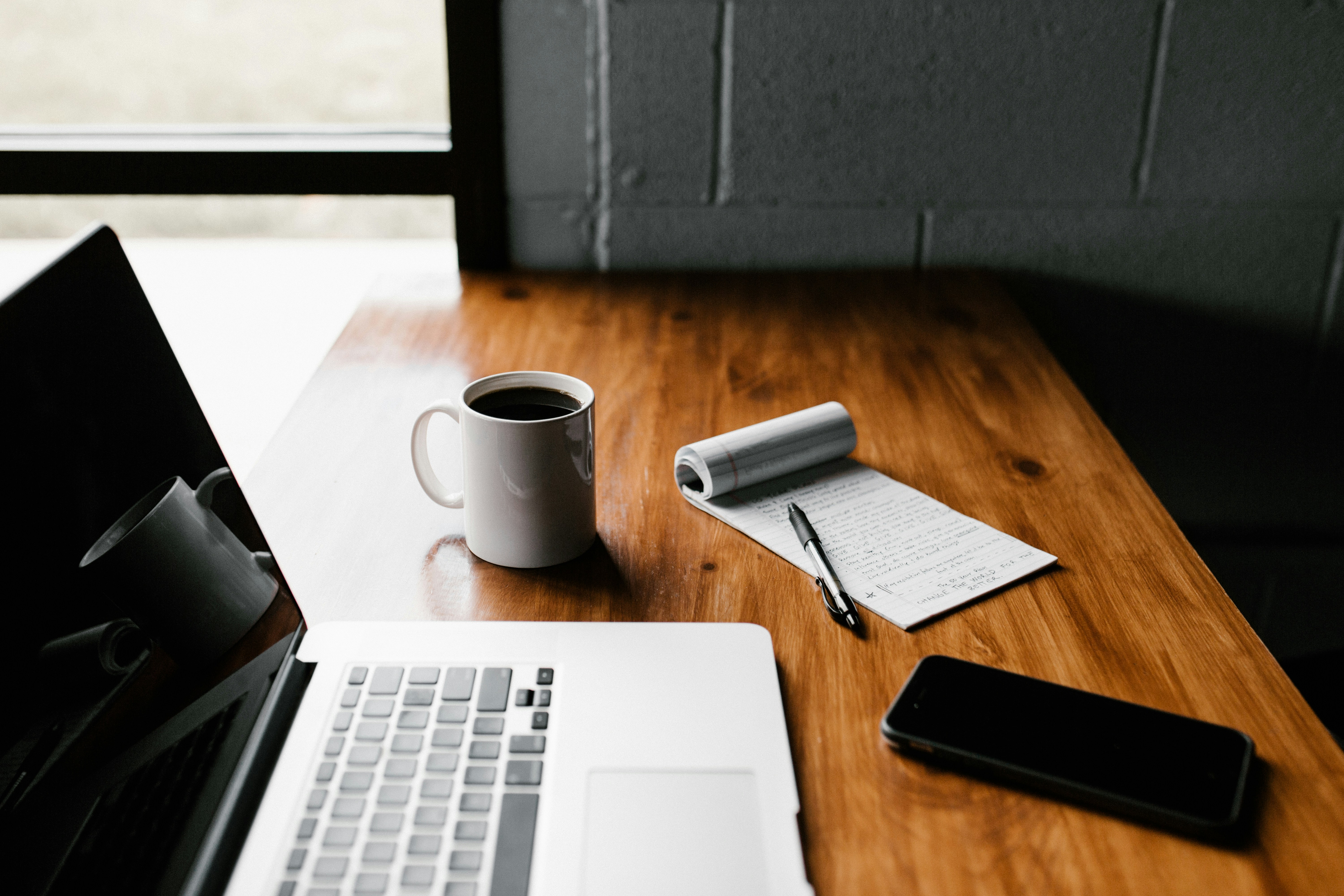
My friend Lindiwe texted me a photo last Tuesday. It was 6:47 a.m., and she was sitting on her balcony with a single cup of coffee, watching the sunrise. No phone scroll, no podcast at 1.5x speed, no Slack notifications bleeding through. Just her, the sky, and a mug that said "World's Okayest Aunt."
Three years ago, Lindiwe would've called that morning "wasted time." She was the queen of the 5 a.m. hustle routine — cold plunges, journaling, three side hustles, and a color-coded calendar that looked like a barcode.
Now? She's one of millions of people who've jumped ship from the slow living movement, and honestly, I get it.

The Burnout Math Nobody Was Doing
Here's the thing about hustle culture: it never actually did the math for us.
We were told to optimize every hour, monetize every hobby, and treat sleep like a weakness. But somewhere around 2023, the collective exhaustion hit a wall. People started asking uncomfortable questions. Why am I tired all the time? Why does my "dream life" feel like a second job? Why do I need a vacation to recover from my vacation?
I've found that the slow living movement in 2025 isn't some aesthetic trend of linen curtains and sourdough starters. It's a quiet rebellion against the idea that your worth is measured in output. And it's catching on because — let's be honest — most of us are running on fumes and pretending we're fine.
What "Slow Living" Actually Means (Spoiler: Not Laziness)
I need to clear something up, because the internet has done what the internet does and turned slow living into a Pinterest board.
Slow living isn't about doing nothing. It's about doing fewer things, deliberately. It's choosing quality over quantity, presence over productivity, and intention over autopilot.
For some people, that looks like:
- Cooking dinner from scratch instead of DoorDashing for the fifth night in a row
- Taking a walk without tracking it as a workout
- Saying no to the fourth social event of the week
- Reading a physical book instead of scrolling through 47 tabs of "content"
- Having one deep conversation instead of twelve shallow ones
The common thread? Reclaiming your time as something sacred instead of something to be squeezed.

The 2025 Twist: Slow Living Got Practical
What's different about 2025 is that slow living has moved from Instagram fantasy to actual lifestyle shift. And I think there are a few reasons for that.
First, the economy forced some of it. When the cost of living makes you choose between a gym membership and groceries, you start rethinking what "success" even means. Minimalism isn't just a philosophy anymore — it's a survival strategy.
Second, the research caught up. Study after study has shown that chronic busyness wrecks your health — cortisol spikes, sleep disruption, immune system decline. We've known this for years, but in 2025, people are actually acting on it. Burnout isn't a badge of honor anymore. It's a red flag.
Third — and this is the one I find most interesting — the slow living movement has become a form of digital resistance. We're all so connected, so constantly available, so endlessly reachable. Slow living says: I'm allowed to be unavailable. I'm allowed to respond tomorrow. I'm allowed to exist without performing my existence online.
That's a radical idea in 2025, and I think it's why the movement resonates so deeply.
Here's What Most People Miss About Going Slow
I'll be straight with you: slow living isn't a magic fix. It's not going to solve your debt, fix your relationship, or make your boss less demanding.
What it does is something subtler.
It gives you back your attention — the one resource we're all bleeding dry without noticing. When you're not rushing from task to task, you start to notice things. The taste of your food. The sound of rain. The fact that your kid is telling you something important and you're actually hearing it.
I've found that the hardest part isn't slowing down — it's sitting with yourself when there's nothing to distract you. That's where the real work happens. That's where you figure out what you actually want, not what the algorithm told you to want.
And let's be honest — that's also why a lot of people give up on it after two weeks. The stillness is uncomfortable. The quiet is loud. But the people who stick with it? They don't go back to the old way. They can't.

The Irony Nobody Wants to Admit
Can I be real for a second? There's a slightly uncomfortable truth buried in this whole movement.
You need a certain amount of privilege to "slow down." If you're working three jobs to keep the lights on, choosing to work less isn't an option. If you're a single parent juggling school runs and shift work, the luxury of a slow morning is a fantasy.
So when we talk about the slow living movement, we have to talk about who gets to opt out — and who's left sprinting because they have no choice.
That doesn't make the movement invalid. But it does mean we should approach it with some humility. Slow living should be a personal choice, not another invisible standard that makes people feel guilty for not being able to afford peace.
What I'm Taking Into the Rest of 2025
For me, slow living in 2025 isn't about a cabin in the woods or a digital detox retreat. It's smaller than that.
It's closing the laptop at 6 p.m. and meaning it. It's one thing at a time instead of seven in a panic. It's asking myself a simple question before I add something to my plate: "Does this add to my life, or just to my to-do list?"
Most of the time, the answer is the second one.
So I'm curious — what would slowing down actually look like for you? Not the Instagram version. The real one. The one where you say no to something and feel the weight lift.
Maybe that's the whole point of the slow living movement. Not to do less, but to make room for the things that actually matter.
And maybe that's worth talking about.