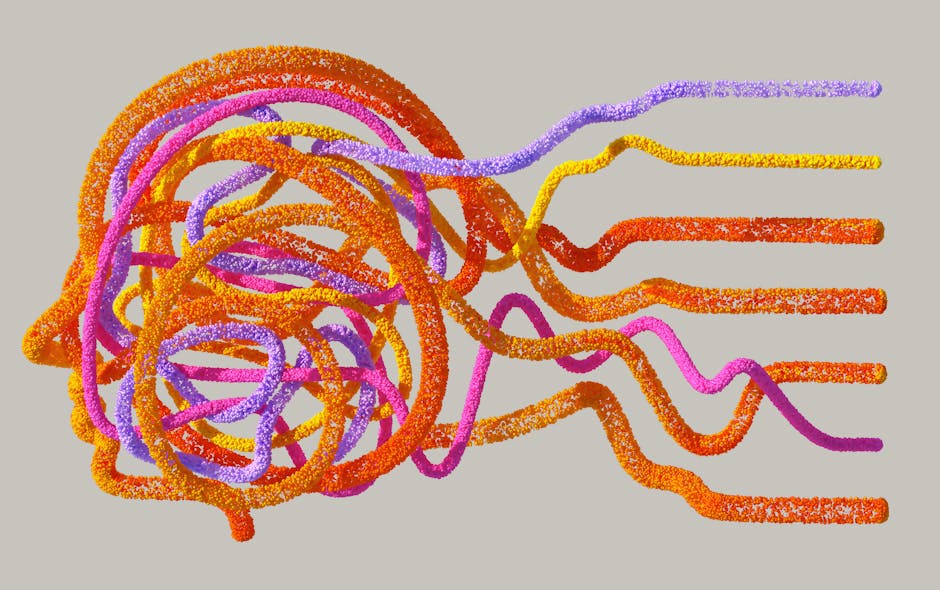
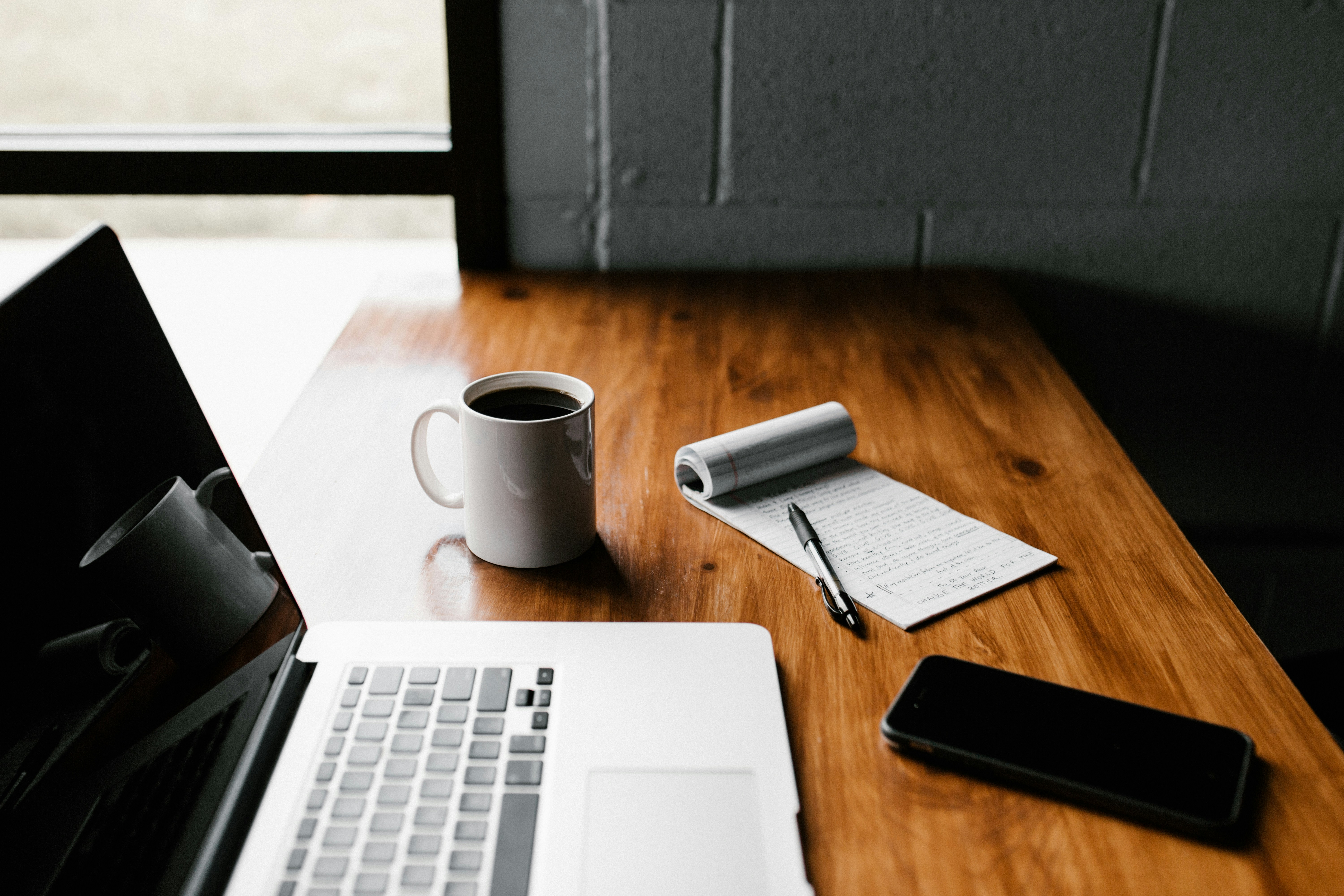
Let me tell you something I never thought I’d admit: I was terrified of my own silence. The idea of sitting with my own thoughts, without the comforting hum of a podcast, the endless scroll of social media, or the ping of a notification, felt like a form of modern-day torture. My phone was my constant companion—first thing in the morning, last thing at night, and every interstitial moment in between. Sound familiar?
Then, I hit a wall. My focus was shot, my anxiety was a low-grade constant buzz, and I felt perpetually busy yet deeply unproductive. I was consuming information but not retaining it. I was “connected” but felt oddly isolated. So, I did the unthinkable. I committed to a full 24-hour digital detox. No phone, no laptop, no TV, no smartwatch. Just me, the analog world, and my racing mind.
Here’s what most people miss about a digital detox: it’s not about punishing yourself or being a Luddite. It’s about creating space to remember who you are when you’re not being broadcast to, marketed at, or algorithmically sorted. It’s a hard reset for your brain.

The Panic Phase: Withdrawal is Real
The first two hours were, let’s be honest, hell. I’d reach for my phone out of pure muscle memory a dozen times. What if someone needed me? What if I missed a crucial email? What was happening on Twitter? My brain, used to a constant drip-feed of dopamine hits, was throwing a full-blown tantrum. I felt fidgety, irritable, and bored in a way that felt almost physically uncomfortable.
This is the moment most people give up. They mistake this anxiety for a sign they need their devices. But it’s not a need—it’s a conditioned craving. I had to sit with the discomfort. I made a pot of real coffee, slowly. I stared out the window and just watched the birds. The panic didn’t vanish, but it began to recede, like a tide going out, leaving behind a strange new calm.
The Unfolding of Slow Time
By midday, something shifted. Time itself seemed to dilate. Without the digital world segmenting my day into chunks of meetings, messages, and content bites, hours felt longer and richer. I read a physical book for pleasure, not for a summary or a review. I went for a walk without a podcast in my ears, just the sound of my neighborhood—the wind, distant laughter, my own footsteps.
I noticed things. The specific shade of green of the spring leaves. The way the light fell across my living room floor in the afternoon. I had a long, meandering conversation with my partner where neither of us glanced at a screen once. The quality of attention was different—deeper, more present. This wasn’t just “offline time”; it was undivided attention, and it felt like a superpower I’d forgotten I possessed.

The Mental Clarity Payoff
The real revelation came around the 18-hour mark. The mental fog that I had accepted as my normal operating state began to lift. It was like a snow globe that had been constantly shaken was finally allowed to settle. My thoughts weren’t fewer, but they were clearer, slower, and more linear.
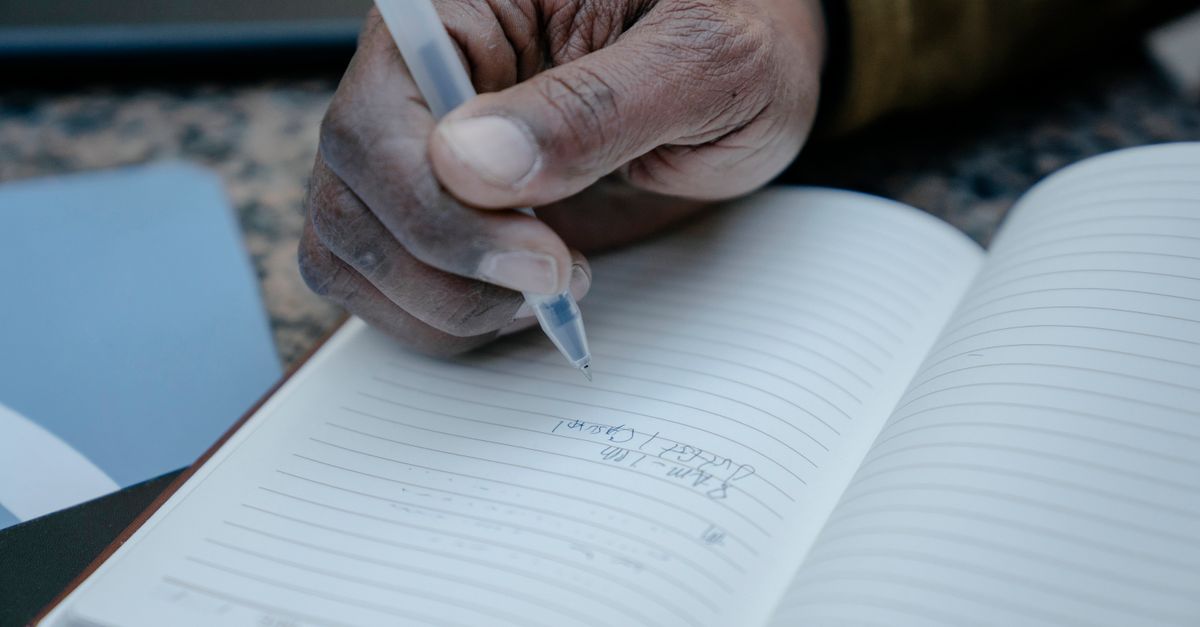
I spontaneously solved a work problem that had been nagging me for weeks. I had a creative idea for a project and jotted it down in a notebook. The constant background static of comparison (from social media) and urgency (from emails and messages) was gone. What remained was a quiet, confident mental space. Here’s what that clarity taught me:
My default mode network got to work. This is your brain’s “resting state,” responsible for creativity, introspection, and memory consolidation. It only kicks in when you’re not focused on the outside world. I was finally giving it the chance to do its job. My anxiety was largely externally fueled. Without a stream of news alerts and social comparisons, my internal worry engine had far less fuel. The peace was internal, not circumstantial.
- I remembered how to be bored. And boredom, it turns out, is the cradle of genuine creativity and self-reflection.
The Re-Entry Protocol (This is Crucial)
Blasting back into the digital world at the 24-hour mark would have undone all the good. I had to be strategic. I didn’t just grab my phone and dive into the notifications. I brewed another coffee and, before powering anything on, I made a quick list:
- What do I actually need to know? (Texts from family, one urgent work email address).
- What can wait? (Social media, newsletters, non-urgent Slack channels).
- What habits do I want to change? (No phone in the bedroom, scheduled social media checks).
It’s Not About Never Plugging In Again
Let’s be honest, a permanent digital detox isn’t realistic or even desirable for most of us. The goal isn’t to live in a cabin in the woods. The goal is intentional engagement. My 24-hour reset gave me the perspective to rebuild my relationship with technology from a place of choice, not compulsion.
I’ve now built micro-detoxes into my week: the first hour of the morning, the hour after work, and one full screen-free evening. My phone is now a tool I use, not a environment I live inside.
So, what’s the noise costing you? What clarity is waiting on the other side of that constant connection? You don’t have to start with 24 hours. Try two. Try a morning. Put your phone in another room during dinner. The space you create might feel uncomfortable at first, but in that quiet, you might just hear your own thoughts again—and they’re worth listening to.