
Picture this: it's 7:42 on a Tuesday morning, and you're already behind. You've checked three apps before getting out of bed, your calendar looks like a game of Tetris that's about to lose, and you're mentally drafting an email while brushing your teeth. Somewhere between the doom-scrolling and the double-booking, a tiny voice asks: does it actually have to be like this?
That voice, it turns out, has a name. And in 2025, it's gotten loud enough that everyone from Silicon Valley burnout refugees to suburban parents to college students are answering it. The slow living movement isn't a new idea — it's been simmering since the slow food movement kicked off in Italy back in the '80s — but something about right now has turned it from a niche lifestyle trend into a full-blown cultural conversation.
I've been watching this shift closely, partly because I've been living a version of it myself, and partly because my inbox is suddenly full of people asking how to "do" slow living without quitting their jobs and moving to a cabin. Let's talk about why this is happening, what it actually means, and why so much of what you're seeing online is missing the point.
The Burnout Hangover Nobody Saw Coming
Here's the thing about the last decade: we optimized everything. Our calendars, our side hustles, our sleep, our coffee, even our hobbies had to be productive. Somewhere along the way, rest became a performance. You didn't just take a walk — you took a "hot girl walk." You didn't just read — you tracked your reading goal on three apps.
Then the pendulum swung. And honestly? The data backs it up. Searches for terms like slow living, "digital minimalism," and "intentional living" have climbed steadily, and 2025 seems to be the year these phrases jumped from wellness blogs into mainstream conversation. Why now? Because a lot of people hit a wall at the exact same time.
I've found that most people don't arrive at slow living through a philosophy book. They arrive at it after a very unglamorous breaking point — a health scare, a layoff, a Sunday night anxiety spiral that won't quit. The slow living movement is less a lifestyle upgrade and more a recovery plan.
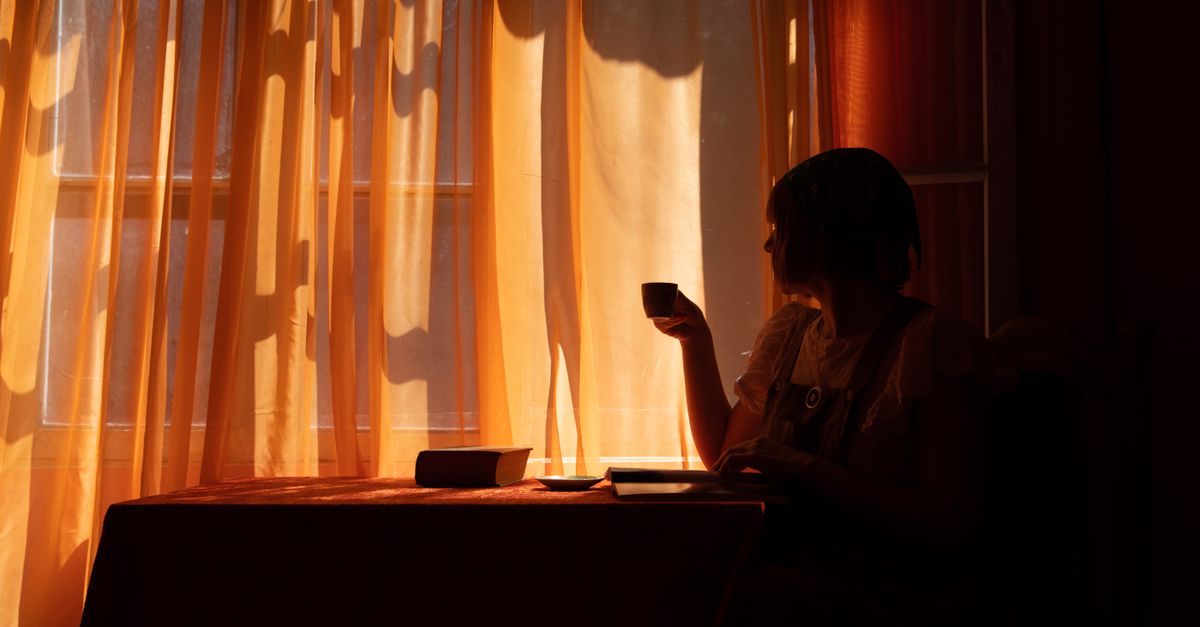
What "Slow Living" Actually Means (And What It Doesn't)
Let's be honest — the internet has done a number on this concept. Scroll through a few hashtags and you'd think slow living requires linen everything, a sourdough starter named after your grandmother, and a cottage with exposed beams.
Here's what most people miss: slow living isn't about aesthetics. It's about attention. It's the deliberate choice to do fewer things with more presence. That's it. That's the whole ballgame.
A few things slow living is not:
- Not anti-ambition. You can care about your career and still refuse to answer Slack at 10 p.m.
- Not expensive. The movement gets co-opted by brands constantly, but the core practice is free. Walks. Cooking. Sitting still. Boredom.
- Not a personality. You don't need to rebrand yourself as a "slow living person." It's a set of habits, not an identity.
- Not anti-technology. It's about intentional tech use, not throwing your phone in a lake (though I've been tempted).
The 2025 Twist: Why This Time Feels Different
So why is the slow living movement having this moment, specifically? A few reasons I keep coming back to.
First, the AI era changed the texture of work for millions of people. When your job increasingly involves reacting to a firehose of generated content and notifications, the human brain starts craving contrast. Slow living is the contrast.
Second, there's a quiet rebellion happening against hustle culture's greatest hits. We watched a generation of founders and creators burn out publicly, and the "grind now, rest later" promise started looking like a bad trade. The next wave of workers — especially younger ones — are openly skeptical that busyness equals value.
Third, and this is the underrated one: the science got loud. Research keeps pointing in the same direction — attention is finite, multitasking is largely a myth, and the quality of your life is closely tied to the quality of your attention. When the evidence stacks up that hard, eventually culture catches on.

The Three-Question Test That Changed How I Plan My Week
I'll share something practical, because I think the movement gets too abstract. Every Sunday I run my week through three questions, and it's done more for me than any app ever has:
- What actually needs my full attention this week? (Not everything does. Pretending otherwise is how you end up exhausted.)
- What am I doing out of habit rather than intention? (Usually: three group chats and a podcast I don't even like.)
- Where am I confusing motion with progress? (The big one. Busy is not the same as good.)
The Trap: When "Slow" Becomes Just Another Performance
Let's be honest about the failure mode. Any movement that gets popular gets merchandised, and slow living is no exception. There's a version of this trend that's just consumerism in beige. Buy the $90 candle, the linen robe, the matching set of ceramic mugs, and you'll be "slow."
That's not the point, and honestly, it's a little embarrassing.
The real practice is unglamorous. It's saying no to a dinner invite because you need a quiet night. It's leaving your phone in another room for two hours. It's letting a Saturday be genuinely empty. None of that photographs well, which is exactly why the concept is so hard to sell — and why the people doing it quietly are the ones who seem the most rested.

The Question Worth Sitting With
Here's what I keep coming back to. The slow living movement isn't asking you to slow down forever. It's asking a sharper question: what have you been rushing toward, and is it actually worth the rush?
Most of us have never sat with that question long enough to answer it honestly. We're too busy. That's the whole problem, isn't it?
So I'll leave you with a small challenge. Pick one thing this week — one — and do it at half your normal speed. A meal. A walk. A conversation. Notice what happens. You might find that the world doesn't fall apart when you stop sprinting. It might even get a little clearer.
And if you try it, tell me what you noticed. I read every response, slowly.


