
Let me tell you something about the last time you scrolled. You weren’t just killing time. You were in a global story pitch meeting. That video of someone sobbing over a book? A focus group. That hyper-specific meme format? A new narrative language. We’re not just consuming stories anymore; we’re co-authoring their destiny in real-time, and the leap from your phone screen to the silver screen has never been shorter.
I’ve found that the old, top-down model of storytelling—where studios and publishers decreed what was worthy—has crumbled. In its place is a vibrant, chaotic, and deeply democratic ecosystem. It’s where a 15-second emotional outburst on BookTok can greenlight a movie adaptation and where a fan’s edit on TikTok can define a character’s legacy more than the original script. Let’s be honest, it’s thrilling.
The Algorithm as the New Gatekeeper
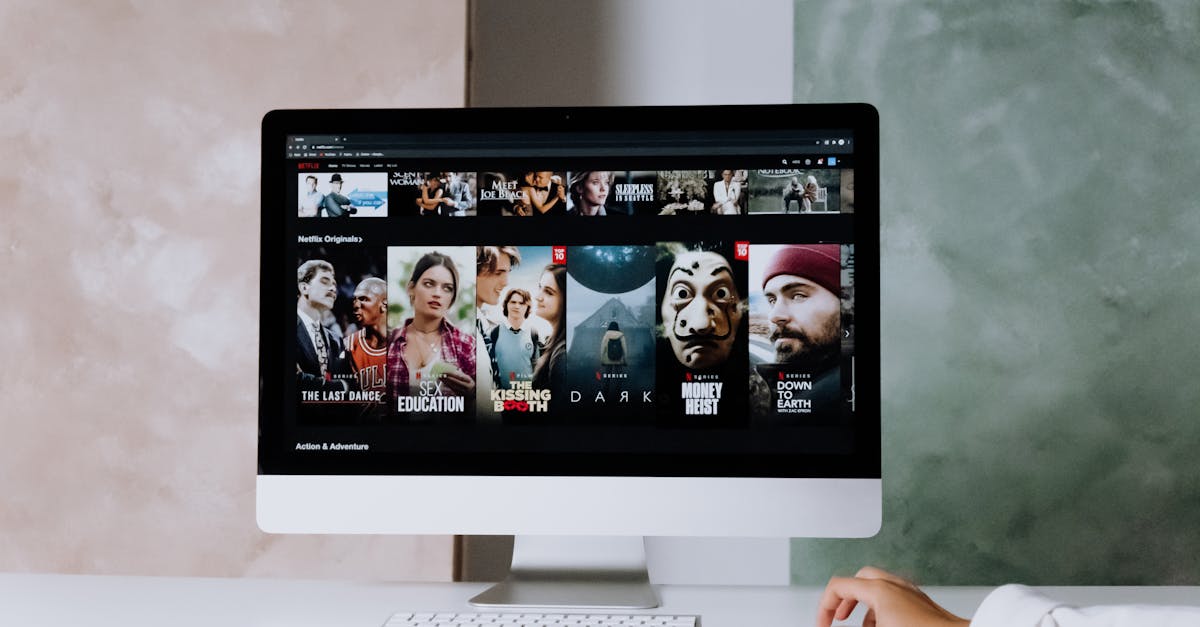
Remember when gatekeepers were people in corner offices? Now, it’s lines of code. The algorithm doesn’t care about pedigree or marketing budgets. It cares about unfiltered engagement. A book languishing on a shelf for years can be resurrected overnight because the algorithm detected a surge of genuine, tearful reaction videos. This isn’t just marketing; it’s validation. It’s proof of concept.
Here’s what most people miss: this shift isn’t just about discovery. It’s about proof of audience. When a studio sees a #ColleenHoover or #SarahJMaas hashtag with billions of views, they’re not just seeing a popular author. They’re seeing a pre-sold, rabidly engaged audience, already visualizing the film, already casting it in their comments. The financial risk plummets. The conversation starts not with “Will anyone see this?” but with “How fast can we make it for the people already begging for it?”
From Fandom to Creative Fuel
Social media has dissolved the fourth wall between creator and consumer. Fans aren’t passive anymore; they’re a participatory force. Look at Bridgerton or Heartstopper. The online discourse, the fan art, the shipping—it all feeds back into the cultural understanding of the story, often influencing later seasons. Writers’ rooms now lurk in the tags, taking the temperature of their audience.
This creates a fascinating new creative loop:
- The Spark: A book or show hits a core emotional truth.
- The Amplification: Social media users dissect, meme, and celebrate that truth, often highlighting elements the creators themselves hadn’t foregrounded.
- The Feedback: This collective interpretation becomes part of the story’s DNA, influencing future adaptations, sequels, and spin-offs.
The Aesthetic is the Argument
Modern storytelling on social media is deeply aesthetic-driven. It’s not just “this is a good plot.” It’s “this is the vibe.” TikTok and Instagram are built on aesthetic subcultures—Dark Academia, Cottagecore, Coastal Grandmother. Stories are now packaged and consumed through these visual and emotional filters.
A book succeeds on BookTok not just because of its prose, but because it offers a complete, immersive aesthetic experience that users want to embody and share. They’re not just recommending a mystery; they’re recommending a dark, rainy, detective-with-a-tragic-past mood. This aesthetic demand directly shapes adaptations. The look, feel, and soundtrack of a film or series are now paramount, often teased in marketing long before plot details. The vibe is the first trailer.
The Double-Edged Sword of Viral Demand
Of course, this new model isn’t without its perils. The rush to capitalize on viral trends can lead to a rushed, checkbox-style of adaptation that misses the story’s soul. The loudest voices in a fandom aren’t always the most representative, leading to pressure that can distort a narrative. And there’s a real tension between giving fans what they think they want and delivering what the story needs.
But let’s be honest, isn’t that tension always where the most interesting art is made? The key is for creators and studios to listen, not pander. To understand the why behind the viral demand—the unmet emotional need—rather than just slapping a famous title onto a generic script.

Where Do We Go From Here? The Future of Shared Narrative
So, what does this mean for the future? We’re moving toward a form of collaborative mythology. Stories will be built with social sharing baked into their DNA. We might see:
Platform-Native Stories: Narratives designed to unfold across TikTok, Instagram Stories, and YouTube shorts as part of their canonical plot. The Rise of the "Micro-Genre": Hyper-specific story types born in niche online communities before bubbling up to the mainstream. The Creator-as-Showrunner: Top social media storytellers and book influencers being directly hired to shepherd adaptations, ensuring authenticity.
The power has fundamentally shifted. The megaphone is in the hands of the crowd. This can feel chaotic, but it’s also incredibly hopeful. It means the stories that get told, the characters that become icons, and the worlds that get built on the biggest stages will increasingly reflect what we*, the global audience, are genuinely passionate about. Not what a distant executive guesses we might tolerate.
The next great story is being workshopped right now in a comment section. Are you paying attention?


