
Let me tell you something about the way we travel now. We've optimized the joy right out of it.
We've turned vacations into logistical operations — spreadsheets, 6 a.m. alarms, a checklist of landmarks to conquer before the sun goes down. You come home needing a vacation from your vacation. So it makes sense that in 2024, a quiet rebellion is brewing. People are ditching the 12-cities-in-10-days grind for something slower, weirder, and infinitely more human. They're booking slow travel — and honestly? It's about time.
The Itinerary That Broke My Brain
I learned this the hard way. A few years back, I did the classic European sprint: four countries, eight days, one very expensive Eurail pass and a growing suspicion that I was doing it wrong. I saw the Eiffel Tower. I also remember almost nothing else about Paris except the inside of a crowded metro car and the specific panic of trying to find a bathroom near the Louvre.
Here's what most people miss: travel isn't a collection of photos, it's a collection of hours. And you can't cram a good hour. The best travel moments are the unplanned ones — the bakery owner who insists you try the other pastry, the wrong turn that leads to a tiny plaza where some kids are playing football. You can't schedule serendipity. But you can leave room for it.
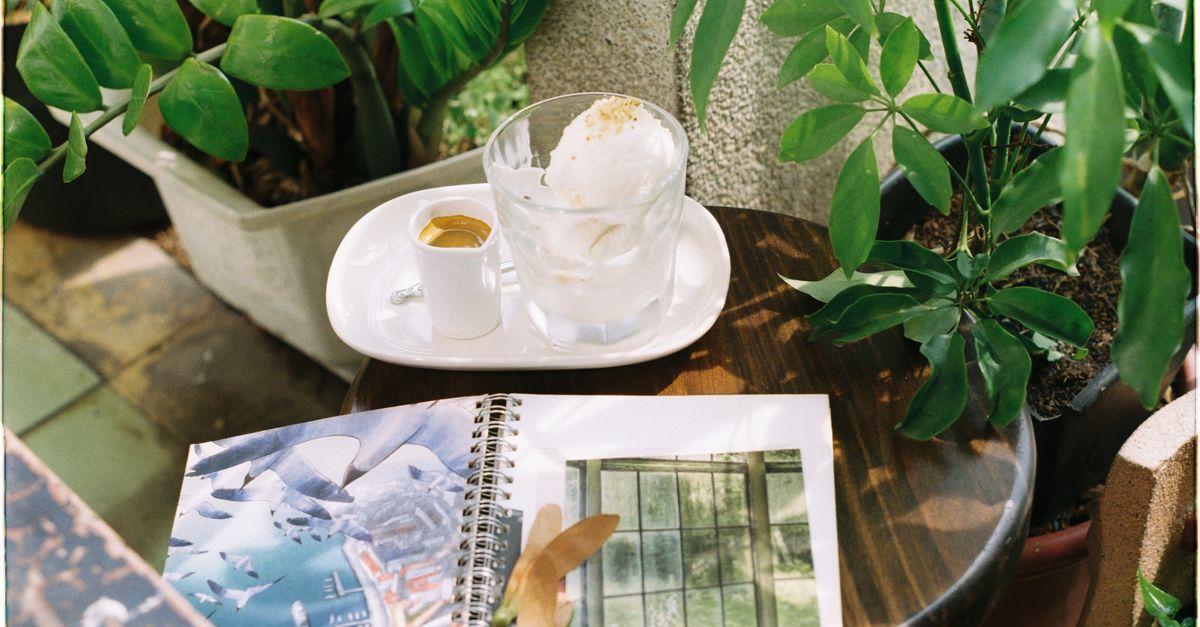
Why 2024 Became the Year of Going Nowhere (Slowly)
Let's be honest about what changed. Remote work quietly untethered millions of people from a desk, which means you no longer have to see everything in a two-week window. You can stay put. You can work on Tuesday and wander on Wednesday.
Add in the burnout economy — the collective exhaustion of a world that never stops pinging — and "slow travel" starts to look less like a trend and more like self-preservation. We're all a little tired of optimizing. We want to sit down. We want to eat something that isn't photographed first.
There's also a money angle nobody talks about enough. Slow travel is often cheaper. Renting an apartment for a month frequently costs less per night than a hotel for a week. You cook some meals. You take the bus instead of the taxi. You stop paying the "tourist tax" — the invisible markup you pay for being in a hurry.
And then there's the environmental math. Fewer flights, fewer transfers, less stuff. It's not a perfect solution, but it's a hell of a lot better than a carbon hangover from four short-haul hops.
Slow Travel Isn't Lying on a Beach for a Month
Here's where people get confused. Slow travel does not mean doing nothing. It means doing fewer things, deeper. It's the difference between skimming a book and reading it.
I've found that slow travel has a few core ingredients:
- One base, not five. Pick a single neighborhood and actually learn it. Where's the good coffee? Which street floods when it rains? Who's the grumpy guy at the corner shop?
- A loose rhythm, not a schedule. Maybe mornings are for wandering, afternoons for a museum or a nap. Structure is fine — rigidity is not.
- A reason to be there. A language class, a cooking workshop, a writing project. Having a purpose turns a tourist into a temporary local.
- Permission to be bored. Boredom is where the good stuff hides. The best stories start with "I had nothing to do, so..."

The Uncomfortable Truth About Planning Your First Slow Trip
You're going to feel like you're doing it wrong. I promise.
The first three days of a slow trip, your brain will scream at you to go see something. That's the optimization reflex talking. Fight it. Sit in the same café twice. Take the same walk. Let a place become familiar. That's when the magic shows up — when you stop performing travel and start living it.
A few practical moves that actually work:
- Book longer than feels reasonable. Ten days minimum. Two weeks is better. A month is transformative.
- Choose a place with a real neighborhood. Not a resort strip, not a tourist-only old town. Somewhere with a grocery store and a laundromat.
- Learn ten words of the language. Just ten. Please, thank you, sorry, where, how much. It changes every interaction.
- Build in a buffer day. One day per week with zero plans. Guard it like it's sacred.
- Ditch the checklist app. Replace it with a notes file of feelings — what you ate, who you met, how the light looked.
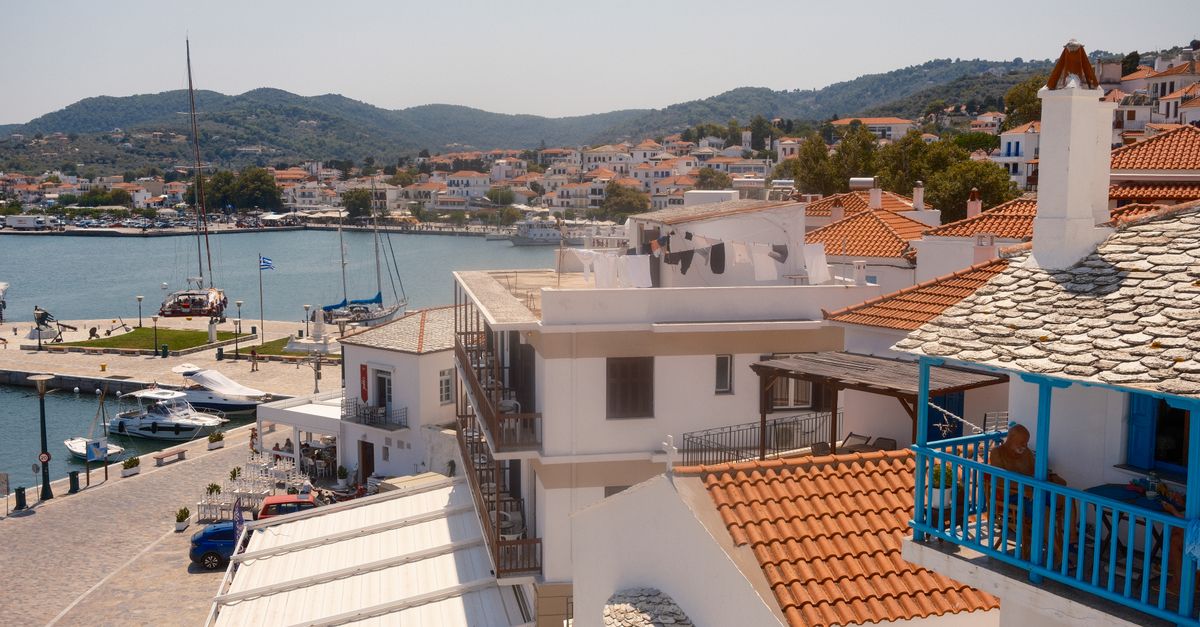
The Real Reason We're All Slowing Down
I think the slow travel boom says something bigger about us. We've spent a decade optimizing everything — our calendars, our workouts, our side hustles — and we're starting to suspect we optimized our way into a life that feels like a to-do list. Travel was the last place we could have run from that. We turned it into another performance.
Slow travel is a tiny act of defiance. It says: my time belongs to me. It says: I don't need to prove I was somewhere. It says: I'd rather have one good conversation than fifty good photos.
So here's my challenge to you. Next trip, cut your itinerary in half. Then cut it in half again. Book the longer stay. Take the slower train. Order the second coffee.
Because the truth is, the world doesn't reward the people who saw the most. It rewards the people who were actually there.
Where are you going to slow down first?


