
Let me tell you something I’ve learned after years of weaving through Europe’s cobblestone streets: the real magic isn’t in the postcard squares everyone’s already seen. It’s in the quiet lane, the unassuming café with no English menu, the town where the only “tour” is the one you make up as you go.
We’ve all done the marathons—Paris, Rome, Barcelona. Glorious, but exhausting. You end up fighting for a photo spot, paying €8 for a limp gelato, and feeling like you’re on a conveyor belt of must-sees. What if you traded that for a place where you’re not just another face in the crowd? Where the local bartender remembers your name by day two?
Here’s what most people miss: Europe’s soul is best experienced in its smaller, under-the-radar towns. These are places where history isn’t behind a velvet rope; it’s the wall of the bakery. Let’s be honest, isn’t that the feeling we’re all chasing?
So, let’s ditch the tourist traps. Here are five stunning European towns you probably haven’t considered, but absolutely should.
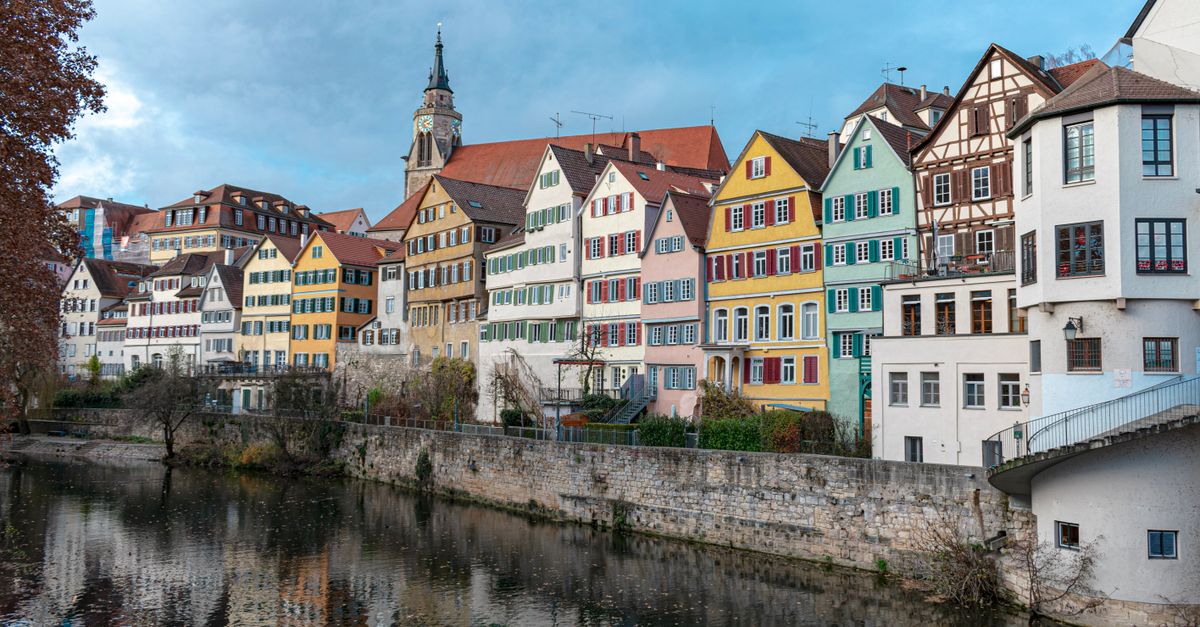
1. Slovenia’s Alpine Fairy Tale: Škofja Loka
Everyone’s rushing to Lake Bled (and for good reason). But just 25 minutes away lies Slovenia’s oldest town, Škofja Loka. Pronounced shkof-ya loh-ka, this place feels like a storybook that hasn’t yet been translated.The Capuchin Bridge, a stone arch spanning the Sora River, leads you into a perfectly preserved medieval core. The town square isn’t a staged spectacle; it’s where locals meet for coffee. The real gem? The Škofja Loka Passion Play, a centuries-old dramatic tradition that transforms the entire town into an open-air stage every six years. But you don’t need the play to feel the history—it’s in the cobbles, the castle on the hill, and the warm, kruh (bread) from the local bakery. It’s authentic Slovenia, without the day-trip crowds.
2. Portugal’s Time-Capsule Village: Monsaraz
Forget the Algarve crowds. Way out east, near the Spanish border, the hilltop village of Monsaraz isn’t just a destination; it’s a viewpoint. Perched on a bald hill, its whitewashed streets are so quiet you can hear your own footsteps echo.
Inside its ancient walls, you’ll find artisan workshops, a 13th-century castle keep, and views that will literally stop you in your tracks. You’ll look out over the Alqueva Lake, a massive man-made reservoir that creates a surreal, mirror-like effect under the bluest sky you’ve ever seen. At night, it’s a Starlight Tourism Destination—the lack of light pollution means the Milky Way is your ceiling. It’s peaceful, profound, and a world away from Portugal’s bustling coast.
3. Italy’s Secret Culinary Capital: Alba, Piedmont
When you think Italian food pilgrimage, you think Bologna or Naples. Let me introduce you to Alba. This isn’t just a town; it’s the holy land of the slow food movement and the undisputed capital of the white truffle.Forget the generic pasta. Here, you’re hunting for tajarin (paper-thin egg noodles) with shaved truffles, savoring hazelnut-rich gianduja chocolate, and tasting Barolo and Barbaresco wines right from the surrounding Langhe hills. The vibe is elegantly rustic—wealthy from the wine trade, but without an ounce of pretension. Visit during the October Truffle Fair, and the intoxicating, earthy scent in the air is absolutely free. It’s a European town for people who travel with their taste buds first.
4. Belgium’s Storybook Alternative: Dinant
Bruges is beautiful, but it knows it. For a dose of dramatic scenery and quirky charm, head to Dinant in the Wallonia region. It’s built into a sheer cliff face along the Meuse River, dominated by a colossal citadel and the striking, saxophone-shaped Notre-Dame de Dinant church.Why saxophones? This is the birthplace of Adolphe Sax, inventor of the saxophone. You’ll see them everywhere—on bridges, in shop windows. Take the cable car up to the citadel, enjoy a couque de Dinant (a rock-hard but delicious spiced biscuit you dip in coffee), and then take a kayak trip down the river. It’s got the Belgian charm, with a fraction of the crowds and a whole lot more personality.
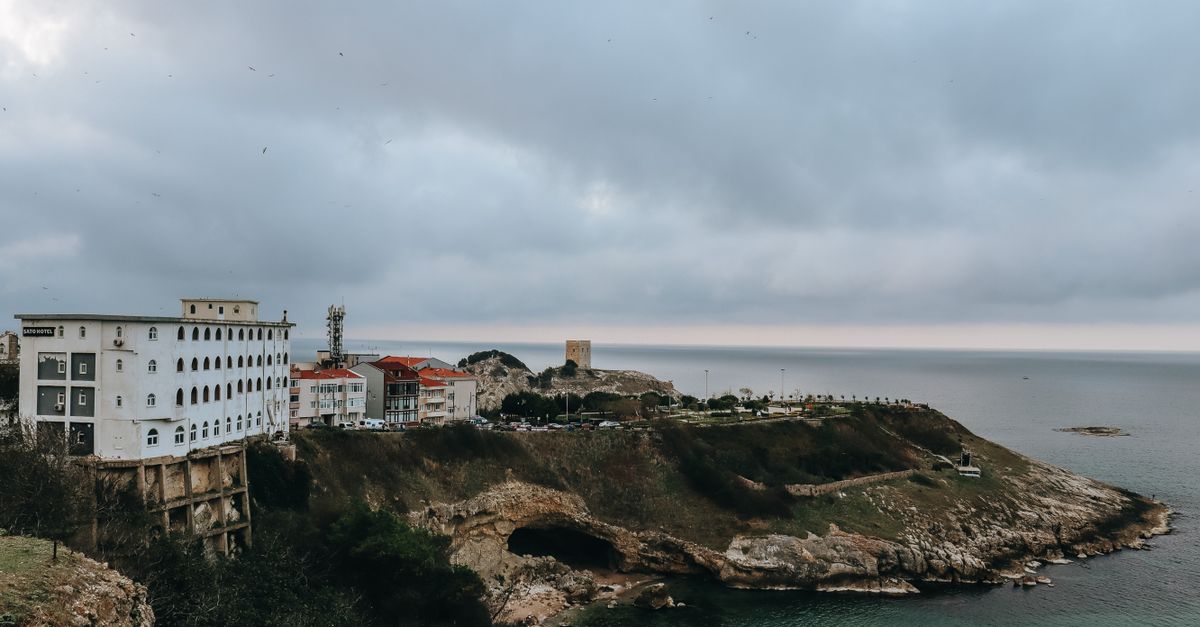
5. Romania’s Colorful Saxon Stronghold: Sibiu, Transylvania
I know, you’re thinking “Dracula.” But Transylvania is so much more. Sibiu is a cultural powerhouse that feels like a secret. Its historic center is a masterpiece of Saxon architecture, famous for its “houses with eyes”—roofs with small attic windows that look like sleepy eyelids watching over you.The squares are vast and grand, hosting everything from open-air concerts to Christmas markets that rival Germany’s. But it’s the layers that get you: the Lutheran cathedral with its towering spire, the hidden staircases connecting levels of the town, the vibrant arts scene housed in old fortifications. It’s a living museum where Eastern and Western Europe beautifully collide.
The Road Less Instagrammed
The common thread in these under-the-radar European towns isn’t just a lack of crowds. It’s a sense of authenticity. You’re not an audience member; you’re a temporary participant. You have space to breathe, to wander without a map, to have a moment that feels uniquely yours.So, next time you’re planning that European getaway, I challenge you: look at the map, find the space between the famous dots, and go there. The true heart of Europe isn’t shouting for your attention. It’s waiting quietly, just off the beaten path, for you to discover it.


