
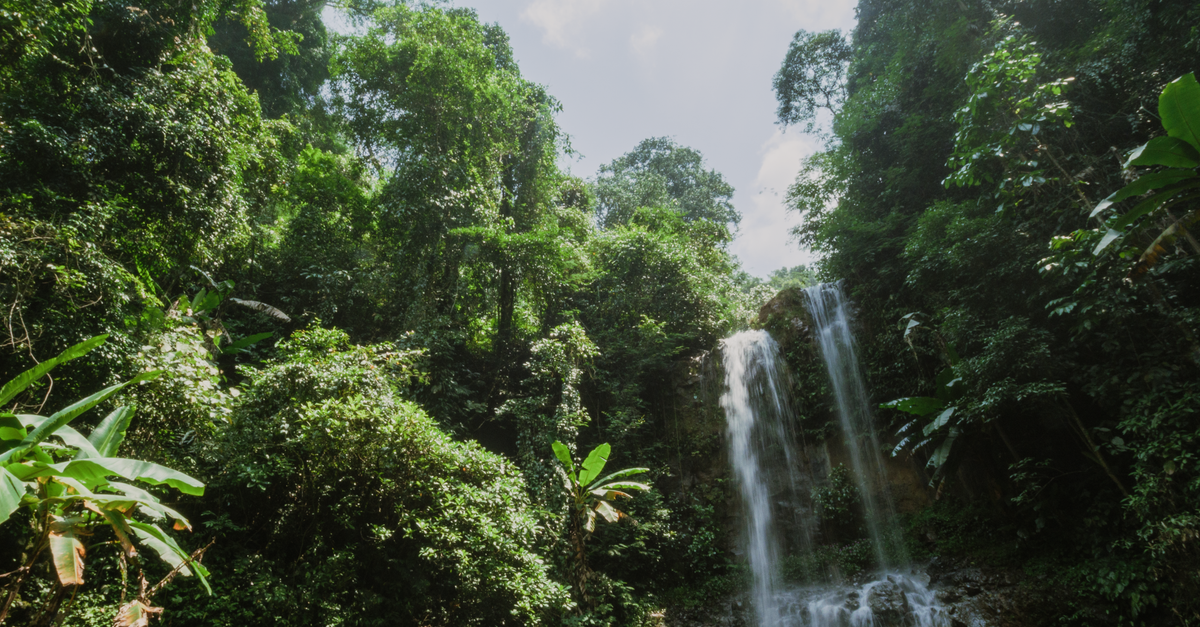
I remember the exact moment I fell in love with Ghana’s Volta Region. I was crammed into a rickety tro-tro, my knees pressed against the seat in front, sweating through my shirt in the sticky humidity. The driver, a man named Kwame who seemed to navigate potholes by instinct, suddenly slammed on the brakes. “Look,” he said, pointing through the dusty window. And there, emerging from a thick blanket of mist, was the Wli Waterfall — a 60-meter ribbon of white cutting through the greenest jungle I’d ever seen. I forgot about the sweat, the cramp in my leg, the fact that my phone had zero signal. That’s the thing about the Volta Region: it hits you when you least expect it. Most travelers zip through Ghana sticking to Accra and Cape Coast. Let’s be honest — they’re missing the real magic.
The Volta Region isn’t just a place on a map; it’s a living, breathing adventure that feels like stepping into a different country. With its rolling hills, sacred lakes, and villages where time moves slower than molasses, this is where Ghana shows its wild heart. If you’re planning a trip, forget the generic itineraries. Here’s what actually matters.
Why the Volta Region Deserves a Spot on Your Bucket List (And Not Just for the Instagram)
Here’s what most people miss: the Volta Region is Ghana’s best-kept secret for thrill-seekers and soul-searchers alike. I’ve found that this corner of the country offers something the coast simply can’t: raw, unfiltered nature that hasn’t been polished for tourists. Think of it as the difference between a Disneyland ride and a real hike through the jungle. Both are fun, but one leaves you with mud on your shoes and stories you’ll tell for years.
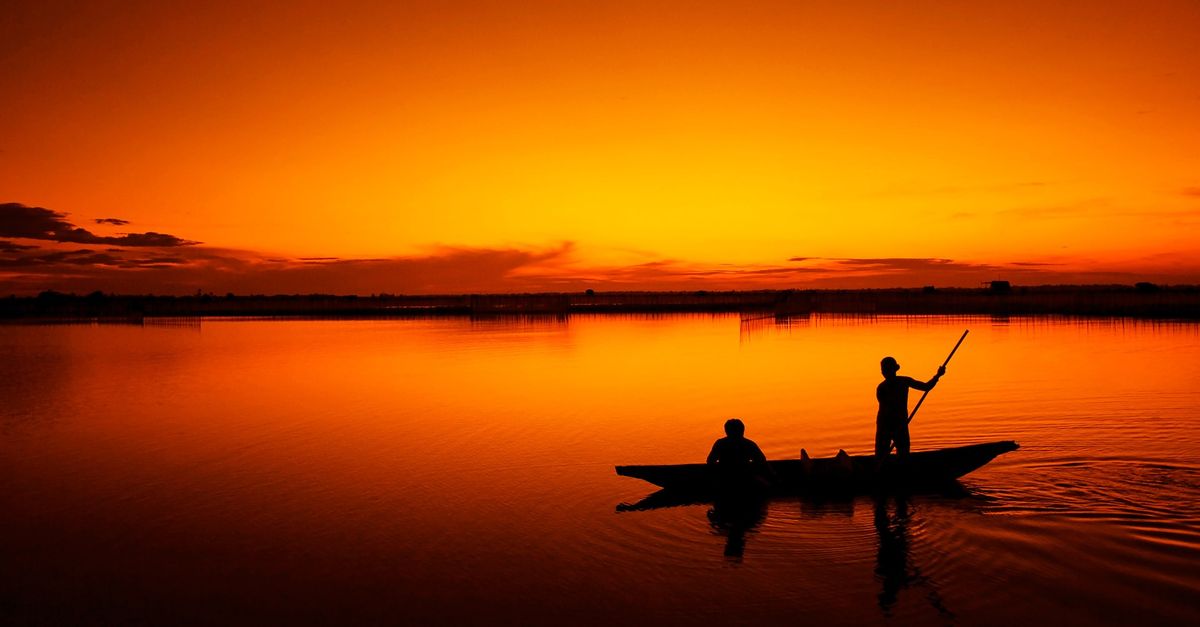
The region is dominated by Lake Volta, one of the largest man-made lakes in the world. Yes, it’s massive — but don’t expect a boring reservoir. The lake is dotted with islands, hidden coves, and fishing villages that seem to float on water. You can hire a canoe for a few cedis and spend an afternoon drifting past communities where kids wave from dugout boats. That’s not something you get from a beach resort.
But the real draw? The mountains and waterfalls. The Akwapim-Togo ranges slice through the region, creating a landscape that’s pure hiker’s paradise. I’ve done the Mount Afadjato trek (Ghana’s highest peak, by the way), and let me tell you — the view from the top is worth every drop of sweat. On a clear day, you can see across the border into Togo. It’s the kind of moment that makes you feel small in the best possible way.
7 Secrets Most Travel Guides Won’t Tell You About the Volta Region
I’m going to share something that might shock you: most travel guides get the Volta Region wrong. They tell you to visit the “main” spots and call it a day. But the real magic is in the details. Here are seven secrets I’ve picked up from multiple trips — stuff you won’t find on a glossy brochure.
- The best time to visit is NOT December. Everyone flocks during the dry season, but the crowds are insane. I’ve found that April and May are perfect — the rains are light, the waterfalls are roaring, and prices for accommodation drop like a rock.
- Don’t skip the roadside food. Near the town of Ho, there’s a woman named Mama Adwoa who sells the best fried yam and pepper sauce I’ve ever tasted. No sign, no menu — just a plastic table under a mango tree. You’ll thank me later.
- The monkey sanctuary at Tafi Atome is a hidden gem. It’s run by the local community, and you can feed the Mona monkeys by hand. The guides are incredibly passionate — one of them told me stories about the forest spirits that still give me chills.
- Learn to say “Akpe” (thank you) in Ewe. The locals will warm up to you instantly. I’ve had strangers invite me into their homes for fufu and groundnut soup just because I tried to speak their language.
- The ferry across Lake Volta is an experience, not just transport. From Akosombo to Kete Krachi, the journey takes about 4-5 hours. Buy a bag of oranges from a vendor on board, find a spot on the deck, and watch the sunset turn the water into liquid gold.
- Bring cash — there are no ATMs in the villages. I learned this the hard way when I tried to pay for a canoe ride with a credit card. The guy just laughed.
- The Volta Region is safe, but use common sense. Don’t walk alone at night in remote areas, and always ask permission before taking photos of people. A smile goes a long way.
How to Plan Your Volta Region Adventure Without Losing Your Mind
Planning a trip to the Volta Region can feel overwhelming — there’s so much to see, and the logistics aren’t always straightforward. Here’s the thing: you don’t need a fancy tour operator. With a bit of grit and a flexible attitude, you can DIY the entire adventure.
Start in Accra and head northeast. The easiest route is by bus or tro-tro from the Kaneshie Station in Accra to Ho, the regional capital. The ride takes about 3-4 hours and costs around 40-50 cedis. Ho itself isn’t a tourist magnet, but it’s a good base to get your bearings. Stay at a guesthouse like Chances Hotel — it’s clean, affordable, and the staff will help you arrange transport to the villages.
From Ho, I’d suggest a 3-4 day loop that covers the highlights:
- Day 1: Head to Wli Waterfall and hike to the upper falls. The lower falls are beautiful, but the upper falls require a guide (about 20 cedis) and take 2-3 hours. Bring water shoes — the rocks are slippery.
- Day 2: Drive to Tafi Atome Monkey Sanctuary (you can hire a taxi for the day for about 150 cedis). Spend the morning with the monkeys, then head to Mount Afadjato in the afternoon. If you’re up for it, start the climb late and catch the sunset.
- Day 3: Take the ferry from Kete Krachi back toward Akosombo. This is your chill day — nap on the deck, read a book, and soak in the scenery.
- Day 4: Explore Akosombo Dam (yes, it’s a dam, but the scale is impressive) and then head back to Accra.
The Surprising Food You Must Try in the Volta Region
Let’s be real — Ghanaian food is underrated, and the Volta Region has its own culinary gems that you won’t find elsewhere. I’m not talking about jollof rice (though it’s great). I’m talking about the stuff that locals eat every day.
Akple is the star here — a stiff dough made from cornmeal and cassava, served with a spicy pepper sauce and fried fish. It’s simple, filling, and surprisingly addictive. I’ve had it for breakfast, lunch, and dinner on multiple occasions. Don’t judge until you try it.
Then there’s fufu with goat light soup. The fufu in the Volta Region is made from cassava and plantain, pounded until it’s smooth and stretchy. The goat soup is rich, slightly gamey, and packed with ginger and chili. It’s the kind of meal that makes you want to lick the bowl.
For something sweet, look for local honey sold by roadside vendors. The Volta Region is known for its bees, and the honey has a floral flavor that’s unlike anything you’ll find in a supermarket. I brought a jar home, and my friends fought over it.
The Honest Truth About Safety, Budget, and Time
I’m going to be straight with you: the Volta Region isn’t a luxury destination. If you need air conditioning, Wi-Fi, and a spa, stick to Accra. But if you’re okay with cold bucket showers, mosquito nets, and the occasional power cut, you’ll have the time of your life.
Safety-wise, the region is generally safe for solo travelers, including women. I’ve traveled alone as a man and never felt threatened — but I always kept my valuables hidden and avoided walking alone after dark in unfamiliar areas. The biggest risk is actually road accidents, so choose your drivers wisely. Opt for buses or tro-tros that look well-maintained, and avoid traveling at night.
Budget is laughably low. I spent about $30-40 per day including accommodation, food, transport, and activities. Guesthouses cost $10-20 a night, meals are $2-5, and most attractions charge a small fee ($1-5). The ferry is the most expensive single expense at around $10 for the full journey.
Time is the real luxury here. I’d suggest at least 5-7 days to do the region justice. Anything less, and you’ll be rushing from one spot to the next without actually soaking in the vibe. The Volta Region rewards slow travelers — people who sit on a veranda with a beer and watch the world go by.
So, why should you go? Because the Volta Region isn’t just a place you visit — it’s a place that visits you back. The misty mornings, the laughter of kids playing by the lake, the taste of fresh honey on your tongue — these moments stick with you long after you’ve returned to your normal life. I still dream about that tro-tro ride, the smell of rain on hot earth, and the feeling of standing at the top of a mountain with nothing but sky ahead.
Pack your bag, book that bus ticket, and go. The Volta Region is waiting, and trust me — it’s not going to disappoint.


