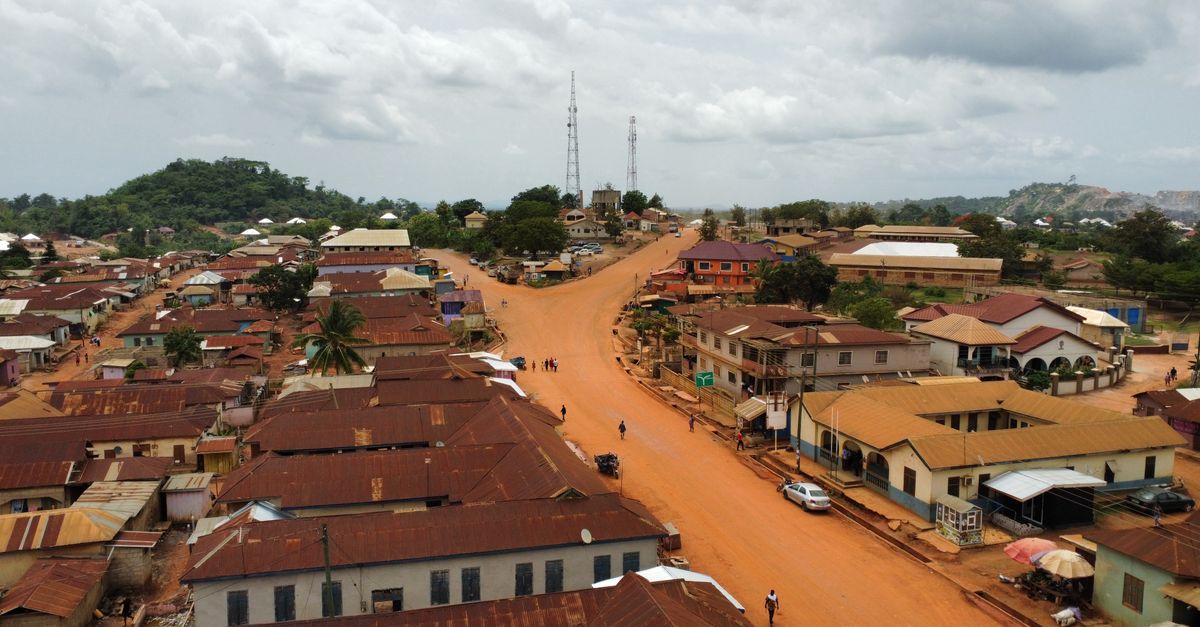
I remember sitting in a cramped bar in Ho, the air thick with the smell of fried tilapia and the kind of tension you can only find in a stadium that’s about to explode. A group of young footballers from across the Volta Region were huddled around a crackling TV, watching a local derby that no one outside the region had ever heard of. The goal came in the 89th minute—a bicycle kick that defied physics—and the place erupted. Not just because of the goal, but because for a split second, everyone in that room believed they were watching the next big thing. That’s the thing about the Volta Region: it’s not just producing athletes; it’s producing moments that make you question why the rest of the world isn’t paying attention.
The Hidden Pipeline: Where Talent Meets Opportunity
Let’s be honest: when most people think of Ghanaian sports, they think of the Black Stars or the boxing rings in Accra. But I’ve found that the real goldmine is in the grassroots—specifically, the Volta Region. Here’s what most people miss: this region isn’t just a footnote in sports news; it’s a powerhouse that’s quietly churning out athletes who are redefining what’s possible.
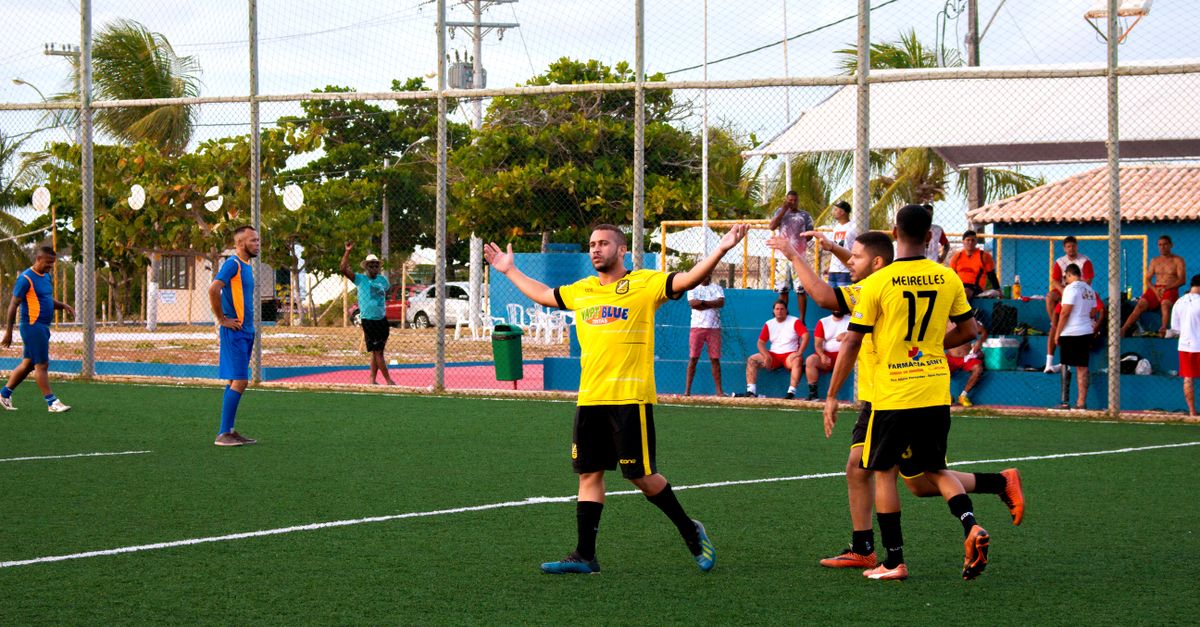
Take football, for instance. The Volta Regional Football Association has been running a secret sauce for years: community-based scouting systems that pull kids from villages like Akosombo, Keta, and Hohoe. These aren’t just kids kicking a ball around—they’re training on dirt pitches with homemade goals, yet their technique is often better than players in fully-funded academies. Why? Because they play with a hunger that money can’t buy. I’ve watched a 14-year-old from Aflao dribble past three defenders like they were standing still, and then casually nutmeg a fourth. That kind of raw talent doesn’t come from a playbook; it comes from a life where football is the only escape.
But it’s not just football. The Volta Region is a sleeper hit in athletics, volleyball, and even boxing. Did you know that some of the best middle-distance runners in Ghana hail from the Volta Region? The hills around Akwapim and the flatlands near the Volta Lake create a natural training ground for endurance. And yet, most sports news outlets ignore this. Why? Because the infrastructure isn’t there to amplify it. But that’s changing, and here’s the kicker: the region’s sports scene is about to explode, and I’m not just talking about football.
The Rise of the Underdog: Stories That Should Be Headlines
Every sports fan loves a comeback story, but the Volta Region has a different kind of narrative: the underdog who wasn’t supposed to make it. I’m talking about Joseph “The Tornado” Adjei, a young boxer from Kpando who went from selling water sachets on the street to winning a national title. His story isn’t unique, but it is typical of the region’s spirit. He trained in a makeshift gym with ropes tied to mango trees, sparring with older men who didn’t pull their punches. When he finally got a shot at the national stage, he knocked out his opponent in the first round. The crowd in Accra didn’t know who he was, but the people in Kpando did. They had seen him train at dawn, when the roosters were still asleep.
Then there’s the volleyball scene. I know, I know—you’re probably thinking, “Volleyball in Ghana?” But hear me out. The Volta Region has a hidden volleyball culture that rivals anything in East Africa. The beaches at Keta and the open courts in Ho are packed with players who have never seen a proper volleyball net, yet their serves can clock in at 70 mph. I’ve seen a team from Aflao beat a fully-sponsored Accra team using nothing but raw athleticism and a killer instinct. The problem? No one’s covering it. The sports news cycle is obsessed with the same five teams, while the real stories are happening in the shadows.
The Infrastructure Gap: Why Talent Isn’t Enough
Here’s the brutal truth: the Volta Region has the talent, but it’s being held back by a broken infrastructure. I’ve been to stadiums in Ho that are more like glorified fields with rusty goalposts. I’ve seen athletes travel for hours just to find a proper track to train on. And let’s not even talk about funding—most local teams operate on a shoestring budget, with players buying their own boots and sometimes missing matches because they can’t afford transport.
But here’s the twist: this lack of resources is actually creating a more resilient athlete. Think about it. When you have nothing, you fight for everything. The kids in the Volta Region don’t have the luxury of fancy academies or personal coaches. They learn by watching, by failing, and by adapting. I’ve seen a football team from Hohoe win a tournament using a strategy they invented on the spot because their coach didn’t show up. That kind of creativity is impossible to teach—it’s born out of necessity.
The sports news from the Volta Region is often about the struggles, but I see it differently. The struggle is the story. It’s the thing that makes these athletes unique. When a player from the Volta Region finally makes it to the national team, they don’t just show up—they arrive with a chip on their shoulder and a fire that can’t be extinguished.
The Untapped Goldmine: Sports That Should Be on Your Radar
Most people think of football when they think of Ghanaian sports, but the Volta Region is quietly dominating in disciplines that don’t get the spotlight. Let me break it down for you:
- Handball: I know, it sounds random, but the Volta Region has some of the best handball teams in the country. The women’s team from Akatsi has won multiple regional titles, and their defense is so tight that opponents often give up before the final whistle.
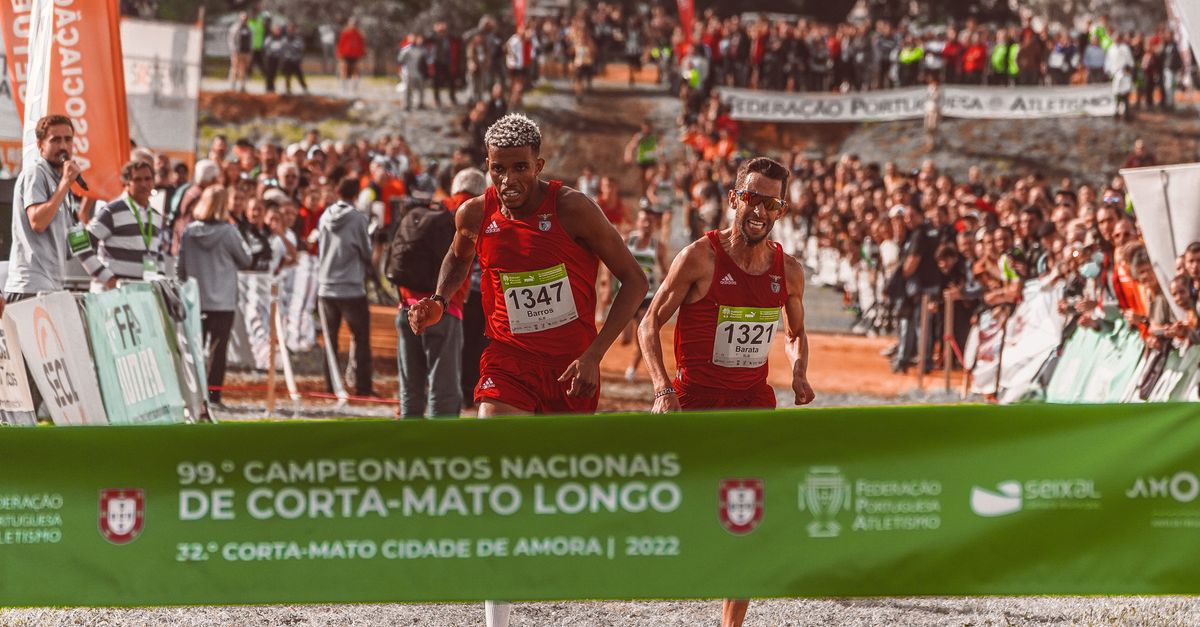
- Athletics: The region produces sprinters and long-distance runners who regularly medal at national meets. The secret? The hills. Training on uneven terrain builds leg strength that flat-track runners can’t match.
- Traditional Wrestling: This isn’t WWE—this is raw, no-holds-barred wrestling that dates back centuries. The annual festivals in Anloga and Dzodze feature matches that draw thousands of spectators. It’s not just a sport; it’s a cultural event that’s gaining international attention.
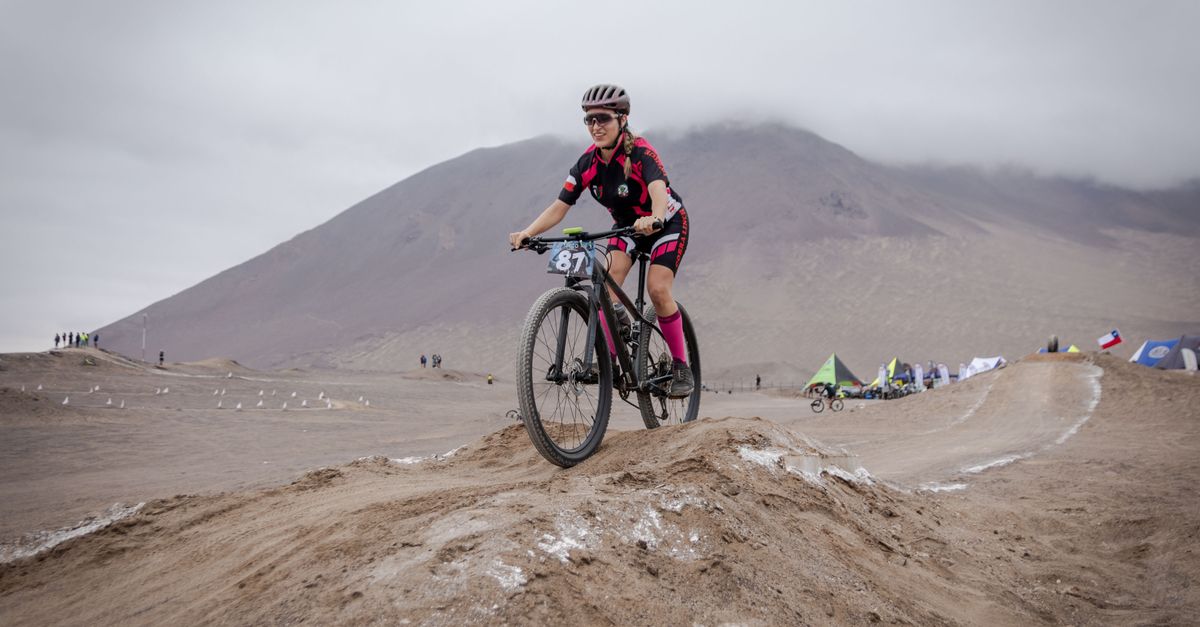
- Cycling: Yes, cycling. The roads around the Volta Lake are a cyclist’s dream, and local clubs are starting to produce riders who can compete at the national level. The problem is visibility—most people don’t even know these riders exist.
The Role of the Local Press: Why Volta Region News Matters
I’ve been following Volta Region news for years, and let me tell you: the local press is doing the heavy lifting. Publications like the Volta Star and community radio stations are the ones covering the grassroots tournaments, the school sports days, and the local heroes. They’re not waiting for national recognition—they’re building a legacy one story at a time.
But here’s the problem: the national sports media often ignores these stories. Why? Because they’re not “sexy” enough. A player from Hohoe winning a local tournament doesn’t sell newspapers. But it should. Because that player might be the next big thing. I’ve seen it happen. A few years ago, a young footballer from the Volta Region was overlooked by every major academy in Accra. He ended up playing in Europe, and now he’s a regular in the national team. The scouts who missed him? They’re still kicking themselves.
The Volta Region news isn’t just about sports; it’s about community. It’s about the pride that comes from seeing one of your own succeed. And it’s about the responsibility of the media to tell those stories. If you’re not following the local press, you’re missing the pulse of Ghanaian sports.
The Future: What Needs to Change
I’m not going to sugarcoat it: the Volta Region’s sports scene is at a crossroads. The talent is there, but the system isn’t. Here’s what I think needs to happen:
- Investment in grassroots facilities: You don’t need a $10 million stadium. Give these kids a proper pitch, a functional track, and basic equipment. The return on investment will be enormous.
- Better scouting networks: The national teams are missing out on talent because they’re not looking in the right places. The Volta Region should have dedicated scouts who report directly to the national federations.
- Media coverage: The sports news from the Volta Region needs to be amplified. If you’re a journalist, go beyond the headlines. Talk to the athletes, the coaches, the parents. Their stories are the ones that matter.
- Community engagement: The local people are the backbone of this movement. They’re the ones organizing tournaments, funding teams, and cheering from the sidelines. They need to be recognized and supported.
Final Thought: The Ball Is in Our Court
I’m not saying the Volta Region is perfect. It’s not. But it’s real. And in a world of manufactured sports stories and highlight reels, real is what we need. The next time you see a Volta Region news headline about a local athlete, stop and read it. Because that athlete might be the one who changes everything.
And if you’re a young athlete from the region reading this: keep going. The system might not be built for you, but you can build your own path. The world is watching—it just doesn’t know it yet.


