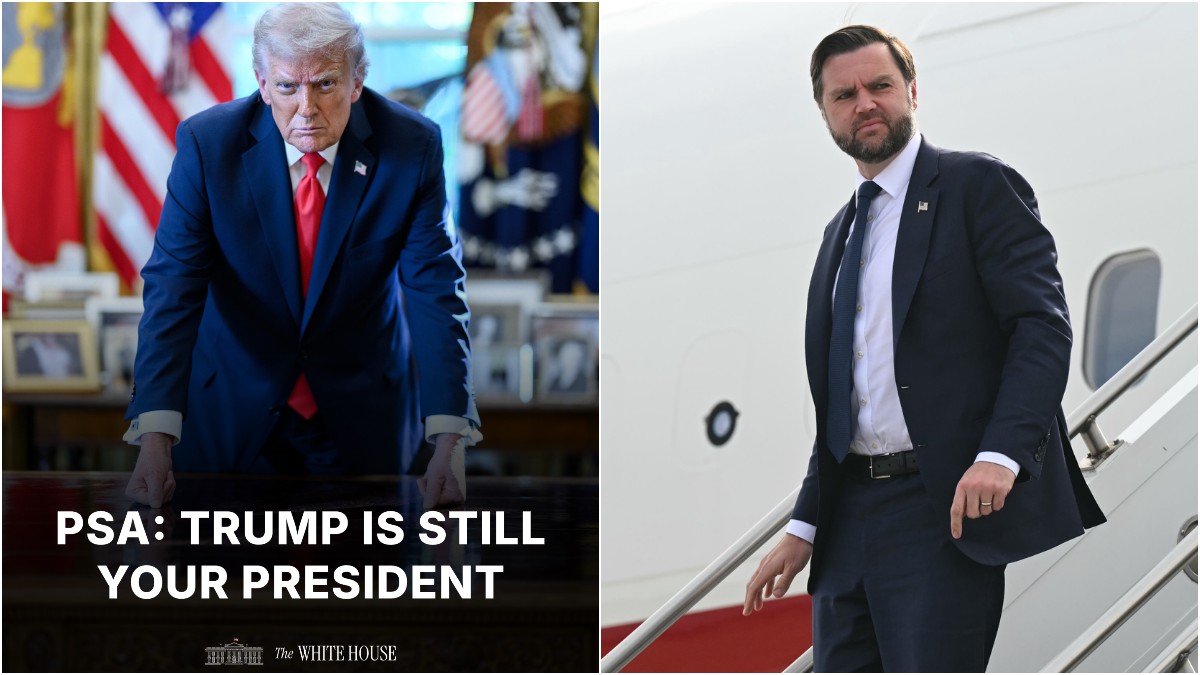
US Vice President JD Vance has said the war with Iran was the main reason Republicans lost the 2026 midterm elections, according to Il Fatto Quotidiano. In a lengthy post on X published on Wednesday, 4 November 2026, Vance rejected low turnout as an explanation and argued that many people who backed the party in 2024 switched to the Democrats instead.
His assessment puts him at odds with President Donald Trump. According to ANSA, Trump said the party had not lost because of the war but because of the rising cost of living.
Why it matters
The two most senior figures in the administration are offering voters different explanations for the same result. Vance's account, published publicly rather than through official channels, concedes that the war was a decisive factor and that the party's own supporters wanted it ended. That is a notable admission from a sitting vice president, and it opens a debate inside the Republican Party about what it should change before the next national contest.
What Vance said about the numbers
Vance based his analysis on a pollster he described as one of the best-informed people he knows in politics. He said this person had warned him the day before the vote that Republicans were heading for a 13-point loss in voting intentions for Congress. Vance said the forecast caught him by surprise despite his own pessimism going into election day.
The same polling, as Vance described it, showed that many 2024 Trump voters were frustrated and angry and planned to support Democratic candidates. When asked what might bring them back, those voters named four priorities: ending the war, addressing the cost of living and inflation, putting America first, and changing the relationship with Israel.
"Our voters went to the polls. And it is precisely these four reasons that pushed many of them to choose the Democrats," Vance wrote, according to Il Fatto Quotidiano. He said the outcome was not a question of people staying home.
A defence of a Fox News host
Vance also used the post to defend Rachel Campos-Duffy, a Fox News presenter and the wife of Transport Secretary Sean Duffy. She drew criticism on Monday for calling for a diplomatic solution to the conflict, Il Fatto Quotidiano reports. Vance argued that, given the election result, her political advice had been shown to be sound.
The intervention places the vice president on the side of those who wanted the war wound down, at least in hindsight. It also signals that the internal argument over foreign policy is being conducted in public, with a media figure close to the administration drawn into it.
A result read differently at the top
Trump's account, as reported by ANSA, focuses on household finances rather than foreign policy. He said the party's defeat was down to the carovita — the rising cost of everyday living — and not the war. The president has also said, according to Il Fatto Quotidiano, that he would make the same decision again.
The gap between the two positions is not merely rhetorical. If the war was the cause, the remedy lies in ending or reshaping the conflict. If prices were the cause, the remedy lies in economic policy. Vance's post leans clearly towards the first reading, while the president's remarks point to the second.
Reaction beyond Washington
The war has also been followed closely outside the United States. Corriere della Sera reported street celebrations in Iran after the result, alongside a cautious response from Supreme Leader Ali Khamenei, who was described as holding back and saying that America does not change. The same report noted openings from Beijing.
Coverage of the results was led by Il Fatto Quotidiano, which ran a live results page, while HuffPost Italia highlighted Vance's remark that "everyone knows we lost because we lost: the war in Iran." The Italian outlets framed the vice president's post as a mea culpa, a concession of error, published the day after the vote.
What to watch
The immediate question is whether Vance's explanation becomes the party's official line or remains one voice among several. Watch for further statements from the White House on the war and on inflation, and for whether other Republican figures side with the vice president's reading or the president's.