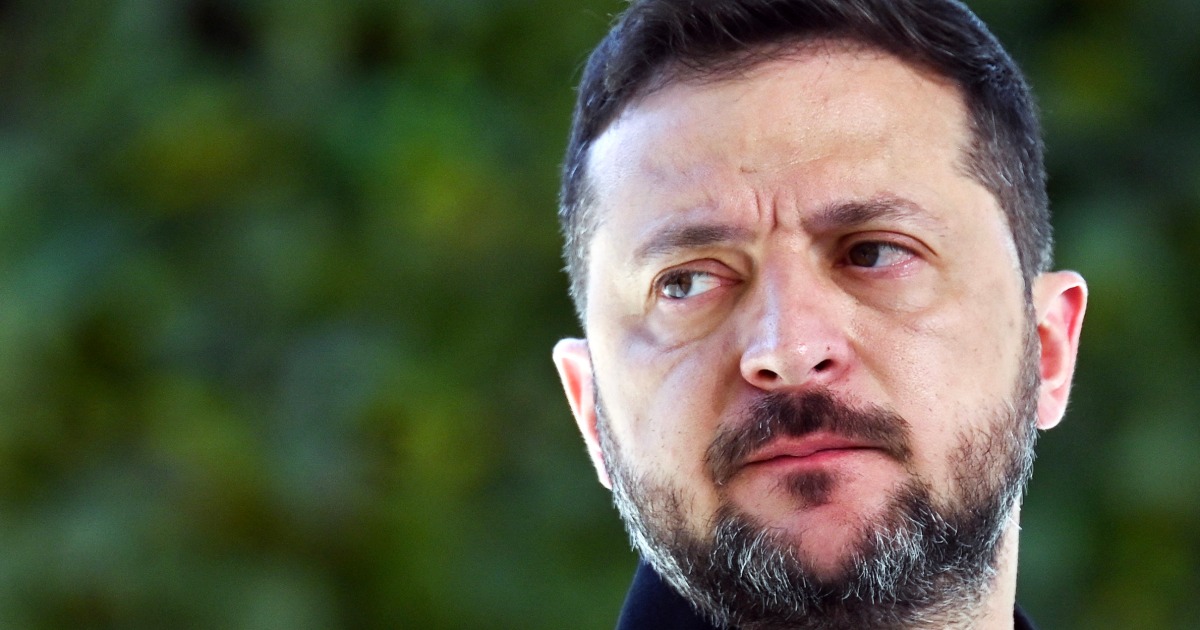
Ukraine resumed strikes on Russian oil refineries after President Volodymyr Zelenskyy accused the United States of betraying Kyiv, according to NBC News.
The renewed attacks followed a three-day pause that began after President Donald Trump announced what he called an "energy ceasefire." Zelenskyy told the Financial Times that his patience had run out, saying the hold on targeting refineries was over and that "we're done," as reported by NBC News.
Hours after those remarks were published early Thursday, a fire broke out at a refinery in Russia's western Ryazan region, Gov. Pavel Malkov said. Russia's defense ministry said Ukraine had attempted a large-scale attack on the Ryazan facility, according to NBC News.
Why it matters
The strikes mark a public break with a truce that Trump presented unilaterally, and they deepen uncertainty about how far Washington will go in supporting Ukraine's defense. Trump eased sanctions on Russian diesel exports and then pressed Kyiv to halt attacks on Russian oil infrastructure, moves that Ukrainian and European officials told NBC News appeared designed to push Ukraine toward concessions as peace talks remain stalled.
Zelenskyy has framed the dispute in stark terms. In a separate interview with Piers Morgan on Wednesday, he said he felt betrayed by Trump's actions, NBC News reported.
The timing is especially sensitive because Ukraine depends heavily on U.S. intelligence and on the Starshield satellite network — the military version of SpaceX's Starlink service — to defend against Russian drone and missile attacks and to direct its own drones at Russian forces. Military experts told NBC News that any reduction in intelligence sharing or satellite access could seriously weaken Ukraine's battlefield position as winter approaches.
Intelligence, Starlink and a widening rift
Zelenskyy told the Financial Times that Ukrainian military officials were warned by their American counterparts that if the energy strikes did not stop, intelligence would be blocked. He said the restriction was later described to Kyiv as a technical problem, according to NBC News.
The combination of reduced intelligence and degraded satellite internet is "dangerous" for Ukraine while Russia is escalating its attacks, Zelenskyy told the newspaper. He added that fighting without U.S. support would be "very difficult."
The satellite issue came to a head Wednesday, when Kyiv said Elon Musk's Starlink terminals were being slowed, disrupting battlefield missions and Ukraine's ability to intercept Russian drones striking Ukrainian cities. A source in Ukraine's defense ministry, speaking anonymously because of the sensitivity of the matter, told NBC News that satellite internet functionality while in motion via Starshield had been restored Thursday morning. The source said Kyiv was still seeking an explanation for Wednesday's throttling.
Musk, a close ally of Trump, wrote on social media that decisions about restricting Starshield use rest with the U.S. military and ultimately with Trump, NBC News reported.
Zelenskyy said more than 850 Russian drones had entered Ukrainian airspace since midnight Thursday, following a heavy wave of drone attacks on Wednesday. He tied the scale of the assault to the limits on Ukraine's defensive tools, saying the attacks came at the very moment the speed of Ukraine's defensive capabilities was being artificially constrained, according to NBC News.
Questions also remain about whether Washington has stopped or limited the sharing of critical military intelligence. Zelenskyy said several ballistic strikes on Kyiv arrived without the advance warning Ukraine normally receives from its partners, NBC News reported.
European and Ukrainian officials told NBC News they believed the sequence of events was likely intended to pressure Kyiv into making concessions at the negotiating table. One Ukrainian official said the chain of developments looked like an effort to pile pressure on Kyiv and walk back years of American commitments to help Ukraine repel the Russian invasion.
Trump's diesel deal with Russia appeared aimed at easing fuel prices ahead of the Midterm elections, according to NBC News. He has blamed Ukraine's refinery campaign for rising energy costs, even as his own conflict with Iran has affected markets. He also called for Zelenskyy to be replaced as Ukraine's leader.
The White House did not immediately respond to an overnight request for comment on Zelenskyy's accusations and the renewed Ukrainian strikes, NBC News reported.
What to watch next is whether Washington confirms or denies any change to intelligence sharing and Starshield access, and whether the refinery strikes continue at the pace set by Thursday's attack in Ryazan.



