
Surgeons in the UK have carried out a brain operation using artificial intelligence to guide them in real time, in what is being reported as a world first. The procedure, which took place in London, was designed to remove a brain tumour while protecting the patient’s sight, according to Euronews.com.
The AI system provided live guidance during the surgery, helping the medical team navigate around critical areas of the brain linked to vision. Euronews.com reports that this is the first time such technology has been used to assist in a live operation of this kind. The Guardian also covered the procedure, describing it as the first successful AI-assisted operation to remove a brain tumour.
The patient’s identity has not been disclosed, and no further details about their recovery have been released in the available reporting. However, the successful outcome marks a notable step forward for the use of artificial intelligence in neurosurgery, according to the outlets covering the event.
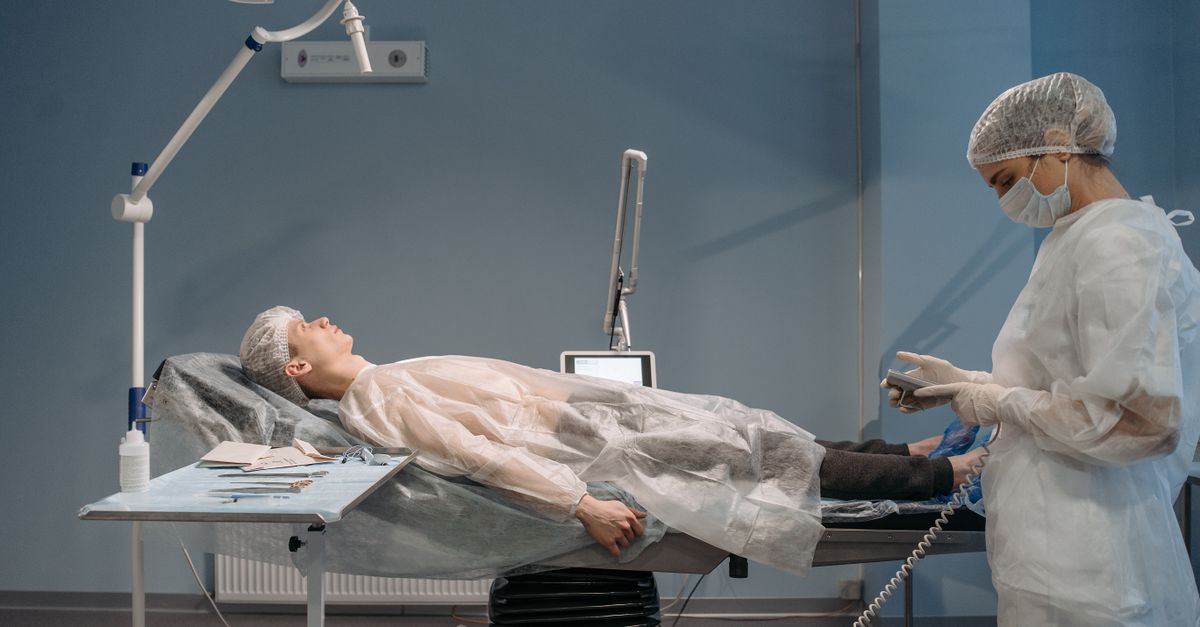
The concept of using AI in the operating theatre is not entirely new, but previous applications have largely been limited to planning or simulation. This case is significant because the AI was used during the surgery itself, offering real-time feedback as the operation progressed. That distinction is what makes the London procedure a first, as highlighted by both Euronews.com and the BBC.
For now, the focus remains on this single successful case, but the implications are broader. If AI can reliably assist surgeons in protecting sensitive functions like sight during delicate procedures, it could become a standard tool in operating rooms. The next step will be to see whether this approach is repeated in other hospitals and for other types of surgery, and whether it holds up under wider clinical scrutiny.



