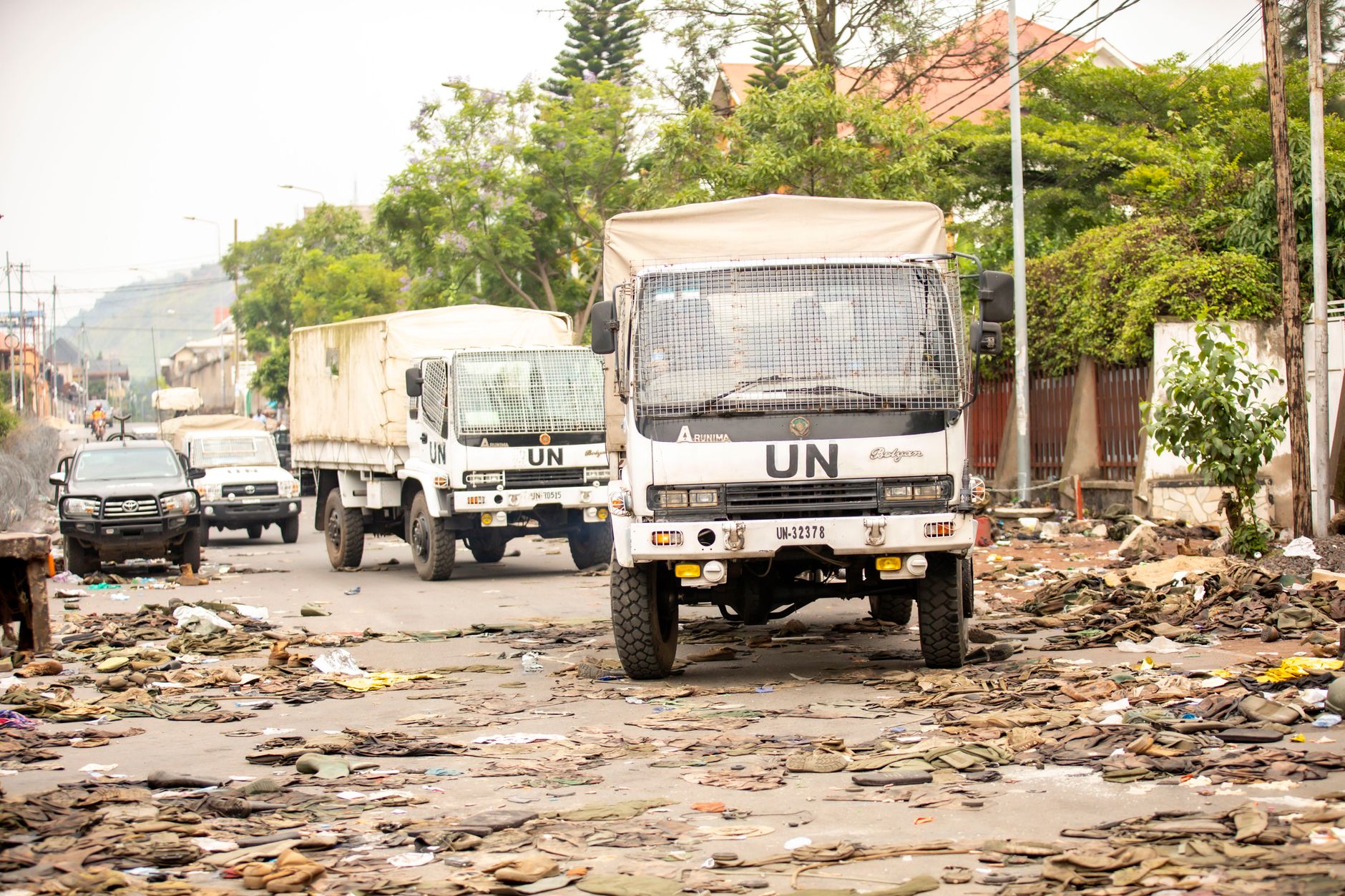
Uganda's security operations, ranging from peacekeeping in Somalia to counter-insurgency in the Democratic Republic of Congo, have far-reaching effects on regional stability in East Africa. As a key contributor to the African Union Mission in Somalia (AMISOM) and later the African Union Transition Mission in Somalia (ATMIS), Uganda has positioned itself as a linchpin of regional security. These operations not only shape the security landscape of East Africa but also offer critical insights for other African nations, including Ghana, as they debate their own foreign policy and security cooperation strategies.
In this article, we examine the nature of Uganda's security operations, their impact on regional stability, and what the command operations mean for the region and for Ghana's foreign policy debate. We will explore the strategic objectives, the challenges faced, and the broader implications for African security architecture.
- Uganda's military interventions in Somalia and the DRC have been pivotal in combating militant groups and stabilizing volatile regions.
- The operations have strengthened Uganda's role as a regional security provider but also strained its resources and raised questions about exit strategies.
- Ghana can draw lessons from Uganda's experience in balancing national interests with regional security commitments.
- The debate in Ghana over foreign policy should consider the benefits and risks of active security cooperation in West Africa.
- Regional organizations like the AU and IGAD play a crucial role in legitimizing and sustaining such operations.
What Are Uganda's Key Security Operations in East Africa?
Uganda has been involved in several major security operations across East Africa, most notably in Somalia and the Democratic Republic of Congo (DRC). Since 2007, Uganda has contributed troops to the African Union Mission in Somalia (AMISOM), which transitioned to the African Union Transition Mission in Somalia (ATMIS) in 2022. Ugandan forces have been instrumental in pushing back al-Shabaab militants and securing key urban centers, including Mogadishu. According to the African Union, Uganda is the largest troop contributor to ATMIS, with over 6,000 soldiers deployed.
In the DRC, Uganda has conducted operations against the Allied Democratic Forces (ADF), a militant group responsible for numerous attacks in eastern DRC and Uganda. Operation Shujaa, launched in November 2021 jointly with the Congolese army, aims to dismantle ADF bases. These operations have been praised for reducing cross-border attacks but have also raised concerns about human rights and the long-term presence of foreign troops.
The Strategic Objectives Behind Uganda's Military Deployments
Uganda's security operations serve multiple strategic objectives: enhancing regional stability, protecting its borders, and asserting its influence as a regional power. By contributing to peacekeeping missions, Uganda gains international goodwill and financial support, which helps sustain its military. Additionally, these operations provide a buffer against militant groups that threaten Uganda's own security.
- Counter-terrorism: Preventing al-Shabaab and ADF from establishing safe havens near Uganda's borders.
- Regional leadership: Positioning Uganda as a key player in African security affairs.
- Economic interests: Securing trade routes and protecting investments in the region.

How Do Uganda's Operations Impact Regional Stability?
Uganda's security operations have significantly contributed to regional stability, particularly in Somalia where its troops have helped weaken al-Shabaab's control. However, the impact is mixed. While military gains have been made, the sustainability of these gains depends on building capable local security forces. The African Union's transition plan aims to hand over security responsibilities to Somali forces by 2024, but challenges remain, including funding gaps and logistical constraints.
In the DRC, Operation Shujaa has disrupted ADF operations, but the group remains resilient, adapting to military pressure. The operation has also strained Uganda's relations with some international partners due to allegations of human rights abuses. Moreover, the presence of Ugandan troops in the DRC has historical sensitivities, given Uganda's involvement in the Second Congo War.
Economic and Humanitarian Spillovers
Security operations have economic and humanitarian implications. In Somalia, Ugandan troops have facilitated humanitarian access, allowing aid organizations to reach vulnerable populations. In the DRC, military operations have sometimes led to civilian displacement, exacerbating a dire humanitarian situation. The stability of the region is also linked to economic development, as insecurity deters investment and disrupts trade.
What the command operations mean for the region is a complex mix of improved security but also dependency on external forces and potential unintended consequences. Regional stability requires a comprehensive approach that addresses root causes of conflict, including governance deficits and economic marginalization.
What Do These Operations Mean for Ghana's Foreign Policy Debate?
Ghana, like Uganda, is a significant contributor to regional peacekeeping, notably in West Africa. The debate in Ghana over foreign policy and security cooperation can draw several lessons from Uganda's experience. First, active participation in regional security operations can enhance a country's international standing and provide leverage in diplomatic negotiations. Ghana's role in ECOWAS missions, such as in The Gambia and Liberia, has bolstered its reputation as a peacemaker.
Second, the financial and human costs of prolonged operations must be carefully weighed. Uganda's deployments have been costly, both in terms of budget and casualties. Ghana's foreign policy debate should consider the sustainability of its commitments and the need for clear exit strategies. Public opinion in Ghana is increasingly sensitive to the deployment of troops abroad, especially without tangible benefits.
Balancing National Interests and Regional Responsibilities
Ghana's foreign policy must balance national interests with regional responsibilities. Uganda's operations have sometimes been criticized for serving narrow national interests rather than collective security. Ghana should ensure that its contributions to regional stability are aligned with its values and strategic objectives. Transparency and parliamentary oversight are essential to maintain public support.
What the command operations mean for Ghana's foreign policy debate is a call for a more strategic approach to security cooperation, one that prioritizes conflict prevention, multilateralism, and the protection of civilians. Ghana can also learn from Uganda's use of bilateral agreements to legitimize operations, as seen in the DRC.
What Are the Challenges and Future Prospects for Uganda's Operations?
Uganda's security operations face several challenges. Funding is a constant concern; while international partners support AMISOM/ATMIS, operations in the DRC are largely funded by Uganda itself. This strains the national budget and raises questions about the opportunity cost of military spending. Additionally, the changing geopolitical landscape, including the rise of new powers in the Horn of Africa, affects Uganda's strategic calculus.
Another challenge is the exit strategy. In Somalia, the AU transition plan envisions a phased withdrawal, but Somali forces are not yet fully capable. Uganda has expressed concerns about a hasty exit leading to security vacuums. In the DRC, Operation Shujaa is open-ended, with no clear timeline for withdrawal.
Regional Cooperation and Multilateral Approaches
Future prospects lie in strengthened regional cooperation. The East African Community (EAC) has launched a regional force in eastern DRC, which includes Ugandan troops, signaling a shift towards multilateral approaches. This could provide a more sustainable framework for security operations. Uganda's experience underscores the importance of regional ownership and burden-sharing.
For Ghana, the lesson is to advocate for robust regional mechanisms through ECOWAS and the African Union, ensuring that interventions are collectively mandated and supported. This would reduce the burden on individual states and enhance legitimacy.

Frequently Asked Questions
Why does Uganda have troops in Somalia?
Uganda contributes troops to the African Union Transition Mission in Somalia (ATMIS) to combat al-Shabaab and support the Somali government. This is part of a regional effort to stabilize Somalia and prevent militant groups from threatening neighboring countries.
What is Operation Shujaa?
Operation Shujaa is a joint military operation by Uganda and the Democratic Republic of Congo against the Allied Democratic Forces (ADF) in eastern DRC. Launched in November 2021, it aims to dismantle ADF bases and reduce cross-border attacks.
How do Uganda's security operations affect Ghana?
Uganda's operations offer lessons for Ghana's foreign policy debate on security cooperation, highlighting the need to balance national interests with regional responsibilities, ensure sustainable funding, and prioritize multilateral approaches.
What are the risks of Uganda's military interventions?
Risks include prolonged deployments without clear exit strategies, financial strain, casualties, and potential human rights abuses. These can undermine domestic support and regional goodwill.

What role does the African Union play in Uganda's operations?
The African Union mandates and supports peacekeeping missions like ATMIS, providing legitimacy and some funding. For operations like Shujaa, the AU encourages regional cooperation but does not directly mandate them.
Conclusion
Uganda's security operations in East Africa have been instrumental in shaping regional stability, particularly in Somalia and the DRC. While they have yielded security gains, they also highlight the challenges of sustained military engagement, including funding, exit strategies, and human rights concerns. For Ghana, these operations offer valuable lessons as it navigates its own foreign policy debate, emphasizing the need for strategic, multilateral approaches to regional security.
Ultimately, what the command operations mean for the region and for Ghana's foreign policy debate is a reminder that security is a collective responsibility, best pursued through cooperation, transparency, and a focus on addressing root causes of conflict.