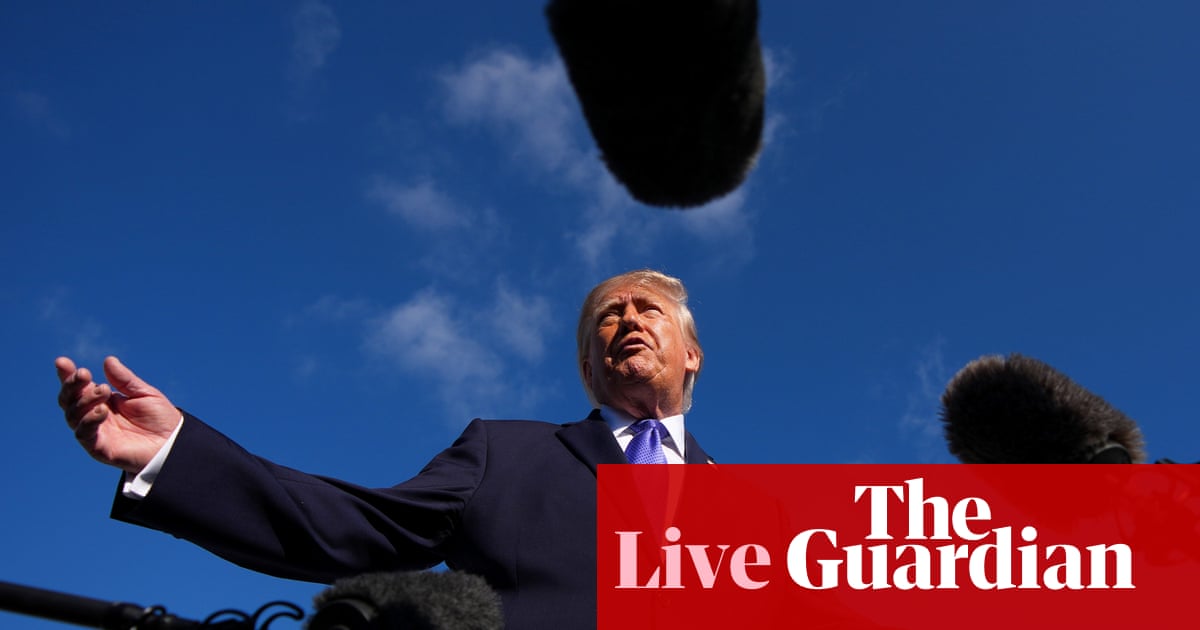
President Donald Trump said on Wednesday that the war in Iran was probably a major factor in the Republican Party's heavy losses in this year's midterm elections, while defending the decision to start the conflict. His comments, reported by The Guardian, came after Vice President JD Vance said the war was ultimately responsible for the party's defeats in both the House and the Senate.
"I think it's largely true because it drove the gasoline up a little bit short term," Trump said. "But at the same time … I'd have to do it again because long term, it's the only answer."
The president described the decision to enter the conflict as one he had no real alternative to. He said he had expected fuel prices to climb further than they did, and argued that preventing Iran from obtaining a nuclear weapon left him no other path. "I thought the oil would go up a lot more," he said. "You have no choice. You have to do it. You can't let Iran have a nuclear weapon."
Why it matters
The remarks amount to a public acknowledgment from the president that his own party's electoral collapse is tied to an unpopular war, even as he refuses to disown the decision behind it. That combination — accepting the political cost while rejecting any suggestion of a mistake — shapes how Republicans will have to talk about the conflict as they regroup after losses The Guardian described as brutal.
The statement also confirms a rare point of agreement between Trump and his vice president. Vance had already named the Iran war as the root cause of the results, and Trump did not dispute that framing. Instead, he adopted it while arguing the outcome was worth it.
Trump says he would have won if he were on the ballot
The president also returned to a familiar argument, telling reporters that Republican candidates would have prevailed if his name had appeared on their ballots. Many of those races went to Democrats in what The Guardian characterized as historic landslides.
"They just couldn't transfer that love," Trump said. "There was such love at those rallies. It was incredible. We weren't able to transfer the love to candidates."
The explanation places the blame for the losses on the gap between the president's own appeal at his rallies and the performance of the candidates running to succeed him or hold their seats. It does not address the war's role in the results beyond the gasoline prices he mentioned.
A mixed message on the outcome
Trump's comments came during a day of post-election appearances in which he struck several different notes. According to CBS News, he congratulated Democrats during an election night phone call with the network. The New York Times reported that he said in an interview that he would accept the election results. Meanwhile, Politico reported that after the defeats he turned his attention back to a long-standing interest of his: the White House ballroom.
The Guardian's live coverage framed the day around a president who was defiant about the scale of his party's losses while conceding that the war had been a drag on Republicans. Other outlets described the results in sharper terms, with The New Yorker calling the midterms a repudiation of Trump and a form of revenge by the electorate.
Taken together, the remarks leave the president's position somewhat split: willing to accept the voters' verdict and to congratulate the winners, but unwilling to concede that the war itself was a mistake or that his own political pull had limits when it came to lifting other candidates.
What to watch
The next test will be whether Republican lawmakers who survived the midterms adopt Trump's framing of the Iran war as a necessary cost or distance themselves from it as they prepare for the next election cycle.