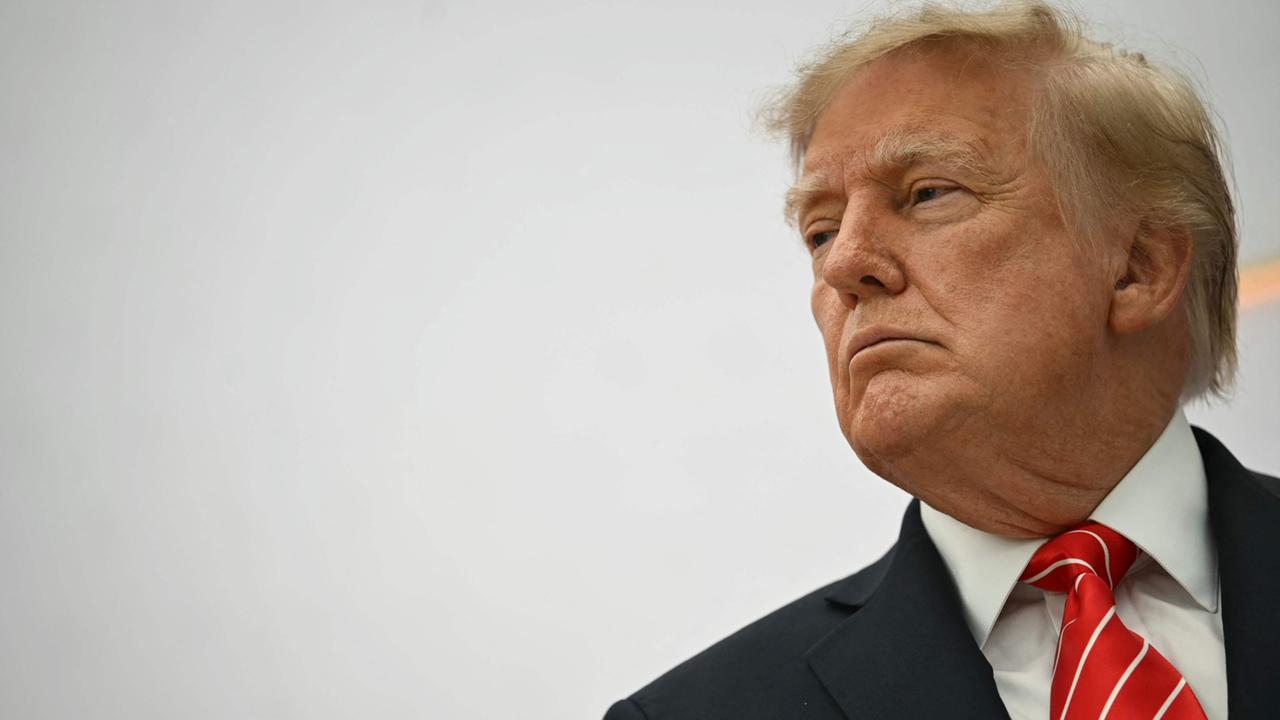
US President Donald Trump said on Sunday that Russia and Ukraine have agreed to halt attacks on each other's energy infrastructure, according to tagesschau.de. In a post on his Truth Social platform, Trump said the arrangement takes effect immediately and that both sides had signed on to it. He offered no further details.
There has been no confirmation from Kyiv or Moscow, tagesschau.de reports. Ukrainian President Volodymyr Selenskyj said he had not known about the announcement beforehand.
Why it matters
Strikes on power plants, refineries and the grid have been one of the most destructive strands of the war, and a pause would spare civilians on both sides through the coming winter. Trump's statement also lands at a moment when he faces domestic pressure over fuel prices, which gives the announcement a political dimension beyond the battlefield. Because neither capital has confirmed the deal, it is unclear whether anything has actually changed on the ground.
Selenskyj: ready to accept, waiting for details
Selenskyj told the US news outlet Axios that the announcement was new to him. He said Ukraine is prepared to accept such an arrangement if Russia agrees to it as well.
"If President Trump negotiated this with Putin — please tell us when the ceasefire begins — we are ready and we will accept it," the Ukrainian president was quoted as saying.
In a separate post on X, Selenskyj said he had discussed Trump's move with Canadian Prime Minister Mark Carney, Finnish President Alexander Stubb and NATO Secretary General Mark Rutte. He wrote that Ukraine supports the truce but that it matters that Russia does too, and that Kyiv is now waiting for details from the American side.
Before Trump's announcement, Selenskyj had already said on X that Ukraine was willing to stop hitting Russian oil refineries if Russia stopped attacking Ukrainian energy infrastructure. He said such attacks could end right away, but that Putin did not want that, and that any de-escalation had to be mutual and backed by real guarantees.
A repeated claim, and pressure over fuel prices
This is not the first time Trump has made such an announcement. He said something similar in mid-September, tagesschau.de notes, and both sides kept up their strikes afterward.
The timing follows a shift in Trump's public stance. A day before the announcement, he blamed Selenskyj for contributing to a global diesel shortage through Ukrainian attacks on Russian refineries. According to tagesschau.de, the recent surge in crude oil and diesel prices was in fact driven by the Iran war, which Trump began together with Israeli Prime Minister Benjamin Netanyahu in February, and not by sanctions on Russia. Rising fuel costs have put Trump under growing domestic pressure.
On Friday, Trump had announced an agreement with Russian President Vladimir Putin under which Russia would supply hundreds of thousands of tons of diesel fuel to the United States and the world market despite the international sanctions imposed over the war in Ukraine.
Ukraine has spent recent weeks striking oil facilities inside Russia in response to repeated Russian air attacks.
What to watch: whether Moscow confirms the arrangement, and whether either side's strikes on energy targets actually stop.



