
I remember the exact moment I fell out of love with sports. It was a Tuesday night, I was flipping channels, and I landed on a game between two teams I didn't care about. The announcers were shouting about a "must-win" situation, the players looked tired, and the whole thing felt... hollow. I turned it off and went to make a sandwich. For months, I told myself I'd "gotten over" sports. That I'd outgrown them. But here's the dirty little secret I learned: I hadn't outgrown sports. I had outgrown the topics I was consuming. The narratives were stale, the drama was manufactured, and the only thing being debated was whether a player's contract was "worth it." It was a funeral for passion, and I was the only one who didn't bring flowers.
Let's be honest: most sports coverage is background noise. It's hot takes, recycled stats, and arguments about legacies that won't matter in a week. But the real topics — the ones that make your heart race and your brain fire on all cylinders — those are buried. You have to dig for them. And once you find them, you realize sports are the most potent, unfiltered lens we have for understanding the human condition. We're not just talking about balls and fields; we're talking about us.
The Hidden Psychology of the "Clutch" Moment
We've all seen it. The game is on the line. The crowd is a living, breathing monster. The clock is ticking. And one player steps up. We call it "clutch." We call it "ice in the veins." But what's actually happening? It's not about talent. It's about a specific, trainable state of mind that most athletes can't access under pressure.
I've found that the "clutch gene" is a myth. It's a story we tell ourselves to make sense of chaos. The real secret? It's about time perception. In high-stakes moments, the brain can actually slow down its processing of events. It's a survival mechanism — like how car accident survivors describe everything happening in slow motion. The elite athlete doesn't just see the game; they enter it. They stop reacting to the pressure and start using the pressure as fuel.
Here’s what most people miss: the best players aren't thinking about winning. They're thinking about the next second. They've trained their minds to ignore the narrative — "This is the championship," "This is the biggest shot of your life" — and focus on the pure physics of the moment. The angle of the wrist. The foot placement. The breath.
So when you watch a game, stop asking "Who's the best?" Start asking "Who is present right now?" That's the true topic. That's the difference between a good player and a legend.
The Silent War: Data vs. Instinct
I'll admit it: I used to be a stat snob. I'd pull up advanced metrics, WAR, PER, VORP, and declare I had "proven" who was better. I was insufferable. And I was wrong. Not because the data is bad, but because data is a map, not the territory.
The war between analytics and instinct is the most fascinating topic in sports right now. On one side, you have the "Moneyball" army — spreadsheets, probability models, and the cold, hard truth that a 40% three-point shooter is more valuable than a flashy dunker. On the other side, you have the "eye test" believers — the coaches and scouts who say, "I can't explain it, but I know it when I see it."
Here's the truth: both are right, and both are wrong.
I've seen a team with the worst analytics in the league win a championship because they had a "vibe" — a chemistry that couldn't be quantified. I've also seen a team with incredible chemistry get dismantled by a spreadsheet that predicted they'd choke in the playoffs. The magic happens when you marry the two. The best coaches aren't the ones who trust the data blindly, nor the ones who ignore it. They are the ones who use the data to ask better questions.
- *Data tells you what happened.
- Instinct tells you why it happened.
- Wisdom tells you what to do about it.
The Unspoken Topic: The Loneliness of the Athlete
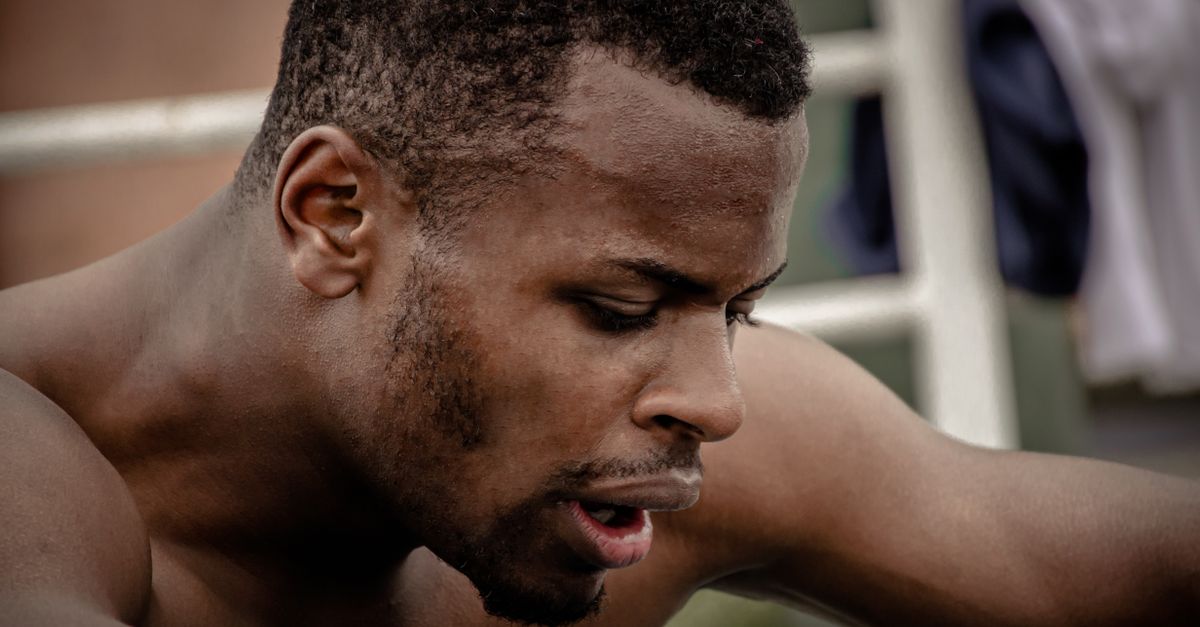
We see the highlights. The endorsements. The screaming fans. We see the money, the fame, the "dream life." But there's a topic that almost nobody talks about, because it's uncomfortable: the profound, crushing loneliness of being a professional athlete.
Let's be real: from the age of 12, these kids are told they are special. They are separated from their friends, their normal lives, their ability to just be a kid. Their entire identity is wrapped up in a sport. Every win is validation. Every loss is a personal failure. And when the game ends — when the final whistle blows on their career — what's left?
I've read interviews with retired legends who describe a sense of grief that rivals losing a loved one. Not because they miss the game, but because they miss the self that the game gave them. They don't know who they are without the jersey.
This is the topic that the highlight reels ignore. The anxiety in the locker room. The sleepless nights after a missed shot. The relationships strained by travel and pressure. Sports are a crucible for the human soul, and sometimes, the soul doesn't come out stronger — it comes out scarred.
Next time you boo a player for a bad game, remember: they are a person, not a character in your entertainment. That's not a woke take; it's a human one.

The 3 Hidden "Topics" That Will Change How You Watch Any Game
You don't need a PhD in sports science to see the game differently. You just need to shift your focus. Here are the three things I look for now, and they have made every game infinitely more interesting:
- The "Reset" Ritual: Watch a player after they make a mistake. What do they do? Do they yell? Do they slump? Do they take a deep breath and get back into position? The best players have a micro-ritual to reset their brain. LeBron James will often tap his chest. A tennis player will adjust their strings. This is not superstition; it's a psychological anchor. Find it. Watch for it.
- The "Hate" Watch: Who do you hate? Good. That player is doing something right. The players you hate the most are often the ones who expose your own insecurities about the game. You hate the flopper because you wish you were clever enough to draw a foul. You hate the trash-talker because you wish you had that confidence. Your hatred is a mirror. Look into it.
- The "Boring" Player: Ignore the superstar. Find the player who does the invisible work. The guy who sets the screen. The girl who takes the charge. The lineman who makes the block that springs the long run. These players are the architects of victory. They don't get the glory, but they get the respect of the people who actually know the game. Become that person. Watch the game through their eyes.
Why Your "Hot Take" Is Killing the Joy
I'm going to say something that might make you angry: your hot take doesn't matter. Neither does mine. The endless debates about who is the GOAT, the "overrated" labels, the constant need to rank and categorize — it's a trap. It turns a beautiful, chaotic expression of human potential into a spreadsheet of ego.
I used to love arguing about sports. Now, I find it exhausting. Why? Because the argument isn't about the sport anymore. It's about me. It's about my identity as a "Lakers fan" or a "soccer purist." I'm not watching the game; I'm defending my tribe.
Here's a radical idea: watch a game with someone who disagrees with you. Don't try to convert them. Just watch. Notice what they see that you don't. Notice how their passion, even if it's for the "wrong" team, is just as real as yours. The goal isn't to win the argument. The goal is to see more*.
The Final Score
So, where does this leave us? We started with me making a sandwich, bored of sports. We end with me realizing that the topics that matter are the ones hiding in plain sight. They aren't in the headlines. They aren't in the screaming debates on cable TV. They are in the quiet moments — the reset ritual, the lonely bench, the instinct that defies the data.
Sports are not a distraction from life. They are a distilled version of life. The pressure. The teamwork. The failure. The redemption. The joy of doing something hard, with people you trust, for a goal that feels impossible.
If you take one thing from this, let it be this: stop watching the ball. Start watching the story. The ball is just a prop. The story is everything.
Now, go watch a game. And this time, look for the things you've been missing. You might just fall in love all over again.


