
Let's be honest: most "sustainable travel" is a beautiful lie. You know the type — the influencer who flies 9,000 miles to a resort that hands out bamboo straws while the pool refills nightly from an aquifer the locals can't drink from. I've watched this play out across three continents, and here's my controversial take: the greenest trip you can take is often the one that doesn't involve a plane at all.
Now before you sharpen your pitchforks, hear me out. I'm not saying you should never fly again. I'm saying the word "sustainable" has been hijacked by marketing teams who slap a leaf icon on everything and call it a day. Real sustainable travel in 2025 means something messier, more local, and frankly more interesting — destinations where the money you spend actually stays in the community, where the infrastructure isn't buckling under tourism, and where you're not contributing to the very problem you came to admire.
So I've done the legwork. I've dug through the overtourism lists, the carbon data, the train routes, and the places locals are quietly begging you to visit instead of the Instagram-famous ones. Here are 15 eco-friendly destinations worth your 2025 vacation days — and yes, I'll tell you why each one earns its spot.
The Carbon Math Nobody Wants to Do
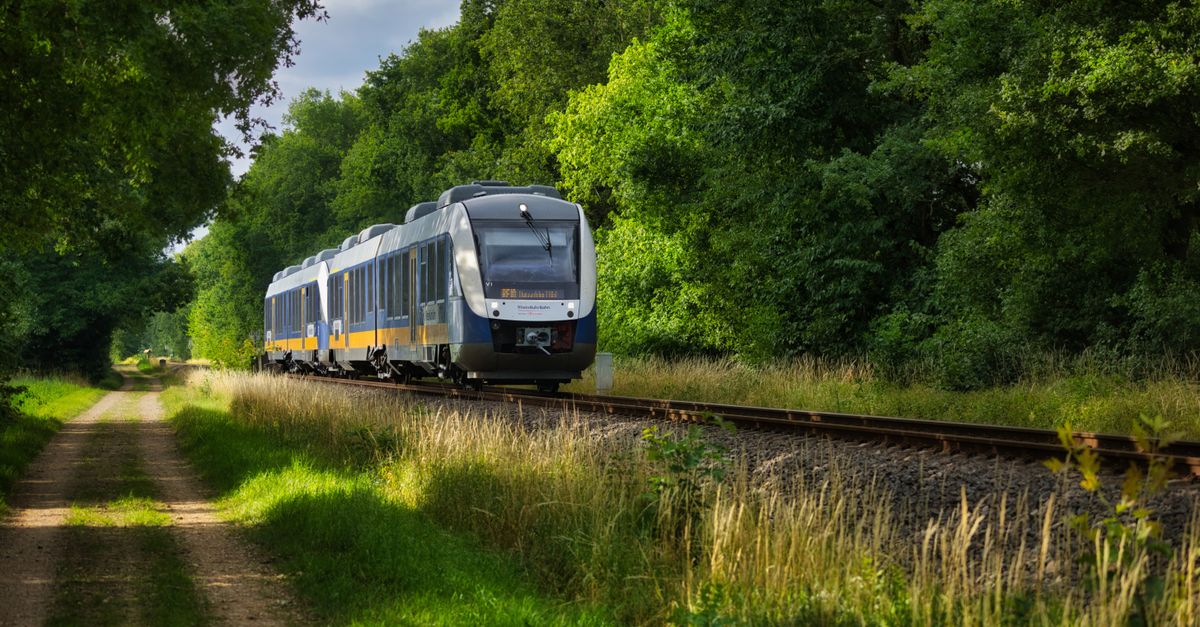
Here's what most people miss: transport is 75% of tourism's carbon footprint, and no amount of reusable water bottles fixes a round-trip long-haul flight. A single London-to-Bangkok return releases roughly the same CO2 as driving a car for a year. That's the elephant in every "eco hotel" lobby.
So the smartest move in 2025? Travel closer, stay longer, and take the train when you can. Europe's night-train revival is real — new sleeper routes are popping up across the continent, and they're genuinely lovely. Not glamorous, but lovely. You wake up in a new country with bedhead and a story. There's no security theater, no baggage fee, no guilt.
The destinations below lean heavily on that philosophy. Some are train-friendly. Some are places that want your tourism dollars because they've built systems to handle it responsibly. A few will surprise you.
1–5: The Train-Accessible Gems
1. Slovenia. Ljubljana has been quietly building a reputation as Europe's greenest capital — car-free center, extensive rail links, and Alps access without the Swiss price tag. Lake Bled gets the crowds, but head to Lake Bohinj and you'll find the same water, a tenth of the people.
2. The Loire Valley, France. Everyone flies to Paris and rents a car. Don't. The Loire is threaded with rail lines and bike routes, and the châteaux are just as gorgeous when you arrive on two wheels with a baguette in your basket.
3. Estonia. Yes, really. Tallinn's old town is walkable, the country is a digital-first society with efficient public transport, and the bog-walking trails in Soomaa National Park are the kind of strange, quiet beauty you can't fake. Estonia also has one of Europe's best rail connections to the Baltics.
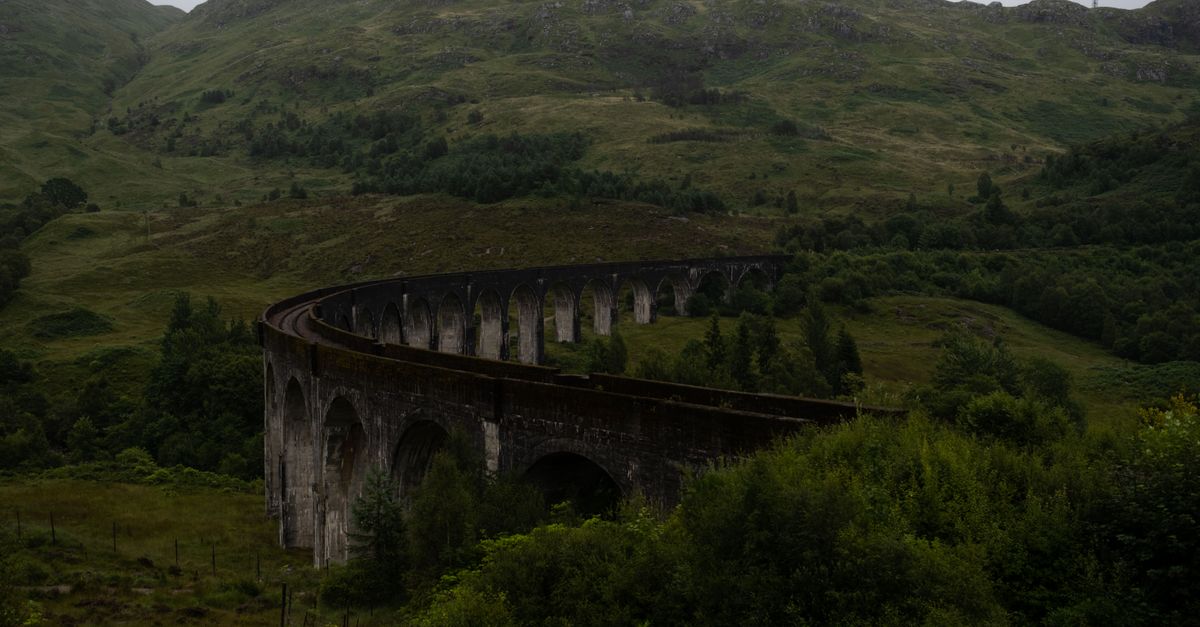
4. The Scottish Highlands by rail. The Caledonian Sleeper from London to Fort William is a genuinely sustainable way to reach some of the most dramatic landscapes in Europe. I've done it — you fall asleep in the city and wake up to mountains out the window. It ruins regular travel for you.
5. The Basque Country, Spain/France. San Sebastián and Bilbao are connected by bus and rail, the food is legendary, and the region has invested heavily in coastal path restoration. Pintxos crawl, then hike. That's the whole itinerary.
6–10: The Places That Actually Want You
Here's the thing about eco-friendly destinations — the best ones aren't the ones with the flashiest green certifications. They're the ones that have capped visitor numbers, invested in local infrastructure, and told mass tourism to take a hike. Literally.
6. Bhutan. The high-value, low-volume model is controversial (the daily fee stings), but it works. Fewer crowds, protected culture, and a tourism sector that funds conservation instead of exploiting it.
7. Palau. The world's first shark sanctuary and a mandatory eco-pledge stamped into your passport. The diving is world-class and the rules are strict. That's the point.
8. Costa Rica's Osa Peninsula. Skip the crowded Guanacaste resorts. Osa is raw rainforest, community-run eco-lodges, and the kind of biodiversity that makes you feel small in the best way.
9. The Azores, Portugal. Mid-Atlantic, volcanic, and increasingly serious about sustainable tourism. São Miguel's geothermal pools and whale-watching are the draw — just go in shoulder season and stay in locally owned guesthouses.
10. Ljubljana's quieter cousin — Maribor, Slovenia. I'm doubling down on Slovenia because it deserves it. Maribor sits on the Drava river, has Europe's oldest vine, and gets a fraction of the tourists. You'll feel like you discovered something.
11–15: The Underrated and the Rewarding
11. Wales. The Wales Coast Path is 870 miles of walkable coastline, and the country has been investing in sustainable tourism for years. Snowdonia (Eryri) now runs a park-and-ride system to cut traffic. Go midweek.
12. The Faroe Islands. Closed-loop tourism, dramatic scenery, and a "closed for maintenance" volunteer program that puts locals first. It's expensive. It's worth it.
13. Madeira, Portugal. Levada walks, no mass-market mega-resorts, and a growing farm-to-table scene. The island's been quietly doing sustainable tourism right while everyone stares at the Algarve.
14. Kanazawa, Japan. Skip the Kyoto crush. Kanazawa has the gardens, the geisha districts, and the seafood market — with a fraction of the crowds and a strong local craft economy.
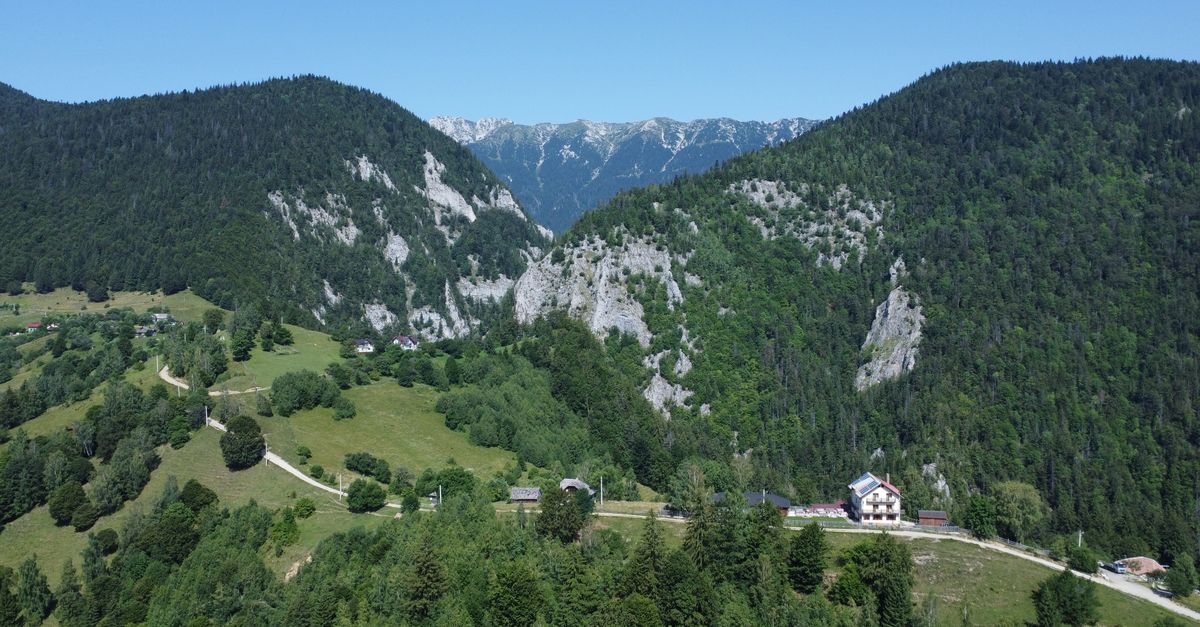
15. The Carpathians, Romania. Rural tourism, bear-safe trails, and villages where homestays are the norm. It's the Europe that hasn't been polished for tourists yet, and that's exactly why you should go.
The Uncomfortable Truth About Your Eco Vacation
Let's be honest one more time: there is no such thing as a zero-impact trip. Every flight, every meal, every souvenir has a footprint. The goal isn't perfection — it's doing less harm and more good. That means staying longer in fewer places, choosing trains over planes when the math works, and spending your money where it stays in the community.
Here's what most people miss: the most sustainable thing you can do is be a better guest, not a greener consumer. Buy the bamboo straw if it makes you feel good — but book the locally owned guesthouse, take the slow train, and skip the place that's drowning in tourists.
So here's my challenge for 2025: pick one destination from this list, take the train if you possibly can, and stay a week instead of a weekend. Then come back and tell me I was wrong about the plane thing.
I dare you.


