
My grandmother saved everything. Rubber bands lived in a tangled ball in a kitchen drawer. Bread bags got washed and hung to dry. Leftovers became Friday's soup whether you liked it or not.
I used to roll my eyes at all of it. Then I moved into my own apartment, got my first real utility bill, and had a genuine existential crisis over how much stuff I was throwing away every single week.
Turns out Grandma wasn't just being frugal. She was being sustainable before it had a marketing budget.
Here's the thing nobody tells you about sustainable living: it's not about buying a $200 bamboo cutlery set or turning your backyard into a permaculture paradise. Most of it is just... paying attention. And the changes that actually stick are the boring ones.
I've spent the last few years testing what works and what's just expensive theater. Some of these swaps saved me money. A few made my life genuinely better. And one of them involves a trash audit that I still think about way too often.
Let's get into it.

The Trash Audit That Changed How I See Everything
Before you change anything, do this one weird thing: keep your trash for a week. Not forever — just seven days. Don't dig through it like a raccoon. Just notice what's in there.
When I did this, I discovered something embarrassing. Most of my waste wasn't packaging from the grocery store or some evil corporation's fault. It was me. Coffee cups I grabbed on autopilot. Food I bought with big intentions and let rot in the crisper. Takeout containers stacked like a monument to my laziness.
Here's what most people miss: sustainable living isn't a product you buy. It's a pattern you break. Once you see your own waste clearly, the fixes become obvious — and weirdly personal.
The 10 Changes That Actually Move the Needle
1. Swap the "Big Four" single-use items
You don't need to overhaul your entire life. Just tackle the four things you use most: water bottles, coffee cups, shopping bags, and straws. Keep a reusable bottle in your bag. Stash a folded tote in your car. That's it. These four alone eliminate a shocking amount of weekly waste.
2. Eat lower on the food chain (part-time)
You don't have to go full vegan to make an impact. Meat and dairy carry a massive carbon footprint compared to plants. I'm not asking you to give up burgers forever. Just try two plant-based dinners a week. Beans are cheap, forgiving, and don't judge you when you forget about them.
3. Fix the food waste problem in your own fridge
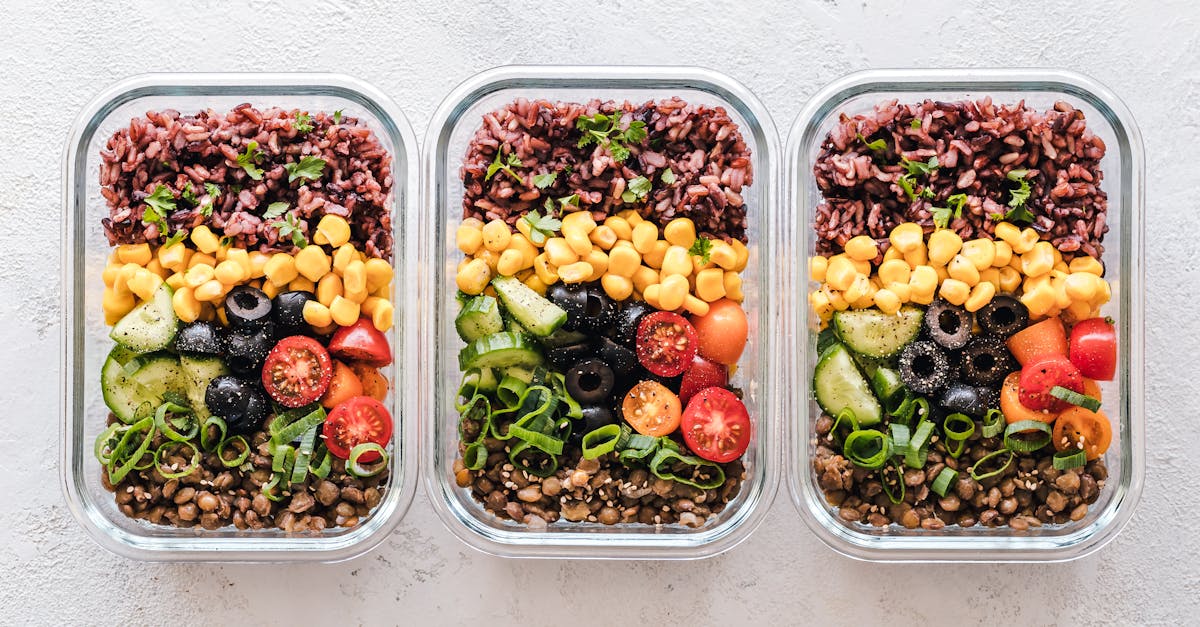
The average household throws away a quarter of the food it buys. Start a "eat me first" shelf in your fridge. Freeze what you won't finish. Learn one good soup recipe. This is the sustainability tip that pays you back immediately — literally, in your grocery budget.
4. Buy less, choose better
Fast fashion is a disaster, and we all know it. Instead of buying ten cheap things, buy two good ones. The most sustainable clothes are the ones already in your closet — so wear them until they're genuinely done. Then repair, swap, or thrift.
5. Rethink your energy at home
You don't need solar panels to cut your energy use. Wash clothes in cold water. Unplug the phantom load (that charger sipping power while doing nothing). Switch to LED bulbs. Hang clothes to dry when you can. Small, boring, effective.
6. Walk, bike, or take the bus — sometimes
You don't have to sell your car. But transportation is one of the biggest slices of your personal carbon pie. Once a week, replace one drive with a walk, a bike ride, or public transit. Bonus: you'll notice your neighborhood in ways you never do from behind a windshield.
7. Say no to the free stuff you don't need
Swag bags, promo pens, conference tote bags, that free keychain you'll never use. Every free thing has a cost — just not one you pay at the register. Practice saying, "No thanks, I'm good."
8. Learn one repair skill
Can you sew a button? Patch a bike tire? Glue a broken mug handle? Pick one. Repairing beats replacing every time. Plus there's a quiet satisfaction in keeping something alive that the world told you to toss.
9. Choose experiences over stuff
Birthday coming up? Ask for a concert ticket, a cooking class, a day trip — not another gadget. Experiences create memories. Stuff creates clutter. Your future self (and your future closet) will thank you.
10. Talk about it (without being insufferable)
This one matters more than people admit. Sustainability spreads through conversation, not lectures. Share what's working for you. Mention the swap that saved you money. Keep it light. Nobody changes because they got scolded — they change because a friend made it look doable.

The Truth About "Perfect" Sustainability
Let's be honest: there's no finish line here. No gold star for being the greenest person on your block. I've had months where I crushed it and months where I ordered takeout four nights in a row and felt like a fraud.
Sustainable living is a direction, not a destination. Progress beats perfection, every single time.
The trap is thinking you have to do everything at once. You don't. Pick one thing from this list. Do it for two weeks. Let it become boring and automatic. Then pick another.
That's the whole secret. Not bamboo toothbrushes or Instagram-worthy zero-waste pantries. Just small, repeated choices that quietly add up.
Grandma would approve.
So here's my challenge to you: pick your one thing this week. Not ten. One. Tell me in the comments which swap you're starting with — I read every single one, and I'll cheer you on.
The planet doesn't need a few people doing sustainability perfectly. It needs millions of us doing it imperfectly, on repeat, forever.





