
It was a Tuesday. A grey, drizzly, soul-crushing Tuesday. I’d just spent two hours on hold with the internet company, and my left ear was actually throbbing from the phone. I walked into my living room, and instead of feeling relief, I felt… nothing. Worse than nothing. I felt a low-grade hum of anxiety. The pile of mail on the coffee table. The harsh, blue-white light from the overhead fixture. The scratchy, forgotten blanket my cat had been using as a bed.
I sat down, and I swear, the room felt colder than the actual air temperature. I wasn’t just uncomfortable; I was uncozy. And in that moment, I realized something profound: my home wasn’t supporting me. It was draining me.
That was the day I stopped thinking about "decorating" and started thinking about "designing for feeling." Let’s be honest, we all want a home that looks good. But what we actually need is a home that feels good. A space that wraps around you like a weighted blanket for your brain. And it turns out, there’s a whole science behind that feeling.
The "Cozy Neurotransmitter" You’ve Been Ignoring
Here’s what most people miss: coziness isn't just a vibe; it's a biological response. When you walk into a room that feels just right, your brain doesn't just say, "Oh, nice pillows." It actually releases a cocktail of feel-good chemicals.
The star of the show is dopamine — the "feel-good" neurotransmitter. But here’s the trick: your brain releases dopamine in anticipation of a reward, not just from the reward itself. So the promise of cozy — a soft chair you know you're about to sink into, a warm light you’re about to turn on — is what actually boosts your mood. It’s the setup, not just the payoff.
Then there's oxytocin, the "bonding hormone." This gets released when you feel safe and connected. A truly cozy space mimics the safety of a nest or a den. It tells your ancient lizard brain, "No predators here. You can relax." This is why a chaotic, cluttered room can make you feel on edge. Your subconscious is reading it as "unstable environment."
I’ve found that the most effective way to trigger this response is through layered sensory cues. It’s not one big thing; it’s a dozen tiny whispers to your brain saying, "You’re safe. You’re home."

The 3-Second Rule of Lighting (And Why You're Getting It Wrong)
If I could only give you one piece of advice about designing for wellbeing, it would be this: kill the big light.
That single overhead fixture in the center of the ceiling? It’s the enemy of cozy. It’s the florescent light of the break room. It casts harsh shadows and makes everyone look like they’re about to give a deposition. It signals "productivity," not "peace."
The science of cozy lighting is really the science of low, warm, and indirect light.
Low: You want multiple light sources at human height — table lamps, floor lamps, wall sconces. Think "campfire," not "surgery." Warm: Bulbs with a color temperature of 2200K to 2700K emit a soft, amber glow that mimics sunset. This signals to your brain that it’s time to produce melatonin, the sleep hormone. Cool blue light (5000K) tells your brain it's noon and you should be working. Indirect: Point your lamps at the wall, not at the room. Let the light bounce. This creates a soft, diffused glow that is deeply calming.
I personally own zero lamps with the shade pointing up. Every single one is aimed at a wall, a piece of art, or a plant. It creates pockets of light and shadow, which is infinitely more interesting and relaxing than a uniformly lit room. Try it tonight. Turn off the overhead light and only use your lamps. Notice how your shoulders drop.
The Texture Trick: Why Your Brain Craves "Sensory Security"
We talk a lot about what a room looks like, but we almost never talk about what it feels like. And I don't mean just the emotional feeling. I mean the literal, tactile feeling.
Your skin is your largest organ. It is constantly sending signals to your brain. A room that is all hard surfaces — glass, metal, hardwood, leather — sends a signal of cold, sterile efficiency. It’s a hotel lobby. It’s a doctor’s waiting room. It’s not home.
Your home needs a "sensory diet" of soft, organic textures. This is where the magic happens.
- The 3-Texture Rule: Every seating area should have at least three different textures. Think: a chunky knit throw (wool/cotton), a velvet cushion, and a linen sofa. The contrast between smooth and rough, soft and structured, is what your brain finds deeply satisfying.
- The "Petting" Factor: We instinctively want to touch things. A faux fur or sheepskin rug isn't just decor; it's a tactile invitation. It's the kind of thing you want to run your hand over as you walk past. This simple act can lower cortisol levels.
- Wood is a Non-Negotiable: There is real science here. Biophilia is the idea that humans have an innate need to connect with nature. A wooden table, a rattan basket, a cork coaster — these natural materials ground a space. They remind your subconscious of the outdoors, which is the ultimate source of safety and wellbeing.

The "Clutter is Cognitive Noise" Theory
Let’s be real for a second. I am not a minimalist. I love my trinkets, my books, my grandmother's ugly vase. But there is a massive difference between a curated collection and a chaotic pile.
Clutter is visual noise. Every single object in your peripheral vision is a tiny, micro-task for your brain. It’s your brain saying, "Should I deal with that? What is that? Is that important?" Multiply that by fifty objects on your coffee table, and you have created a constant, low-level cognitive load.
This is why you can feel exhausted in a messy room even if you haven't done anything. Your brain has been working overtime just to ignore the mess.
The solution isn't to live in a white box. The solution is contained chaos.
Get a beautiful bowl for your keys, wallet, and mail. Use a tray on your coffee table to corral coasters and remotes. Have a "landing strip" by the door.
The goal is to give every stray object a home. When everything has a designated spot, your brain can relax because it knows the system is working. It’s the difference between a cluttered desk and a messy but organized studio. One causes anxiety; the other feels creative.
Your Personal "Cozy Cue"
Here’s the final piece of the puzzle, and it’s the one most design articles miss. Cozy is personal. It’s not a Pinterest board. It’s a memory.
The science of wellbeing tells us that scent is the strongest trigger for memory and emotion because the olfactory bulb is directly connected to the amygdala and hippocampus (the emotional and memory centers of the brain).
So your "cozy cue" might be: The smell of cinnamon and clove (reminding you of your grandmother's kitchen). The sound of rain on a window (a white noise track if you don't have a real window). The specific weight of a heavy quilt (deep pressure stimulation, which is proven to reduce anxiety). The sight of a specific plant (reminding you of a peaceful vacation).
Don’t just copy a catalog. Ask yourself: When was the last time I felt truly, deeply relaxed? What was in that room? What did it smell like? What was I wearing? What was the light doing?
For me, it’s the smell of sandalwood incense, a specific shade of terracotta orange, and the sound of a crackling fireplace. When I combine those three things, my brain instantly switches into "off" mode. It’s a Pavlovian response I designed on purpose.
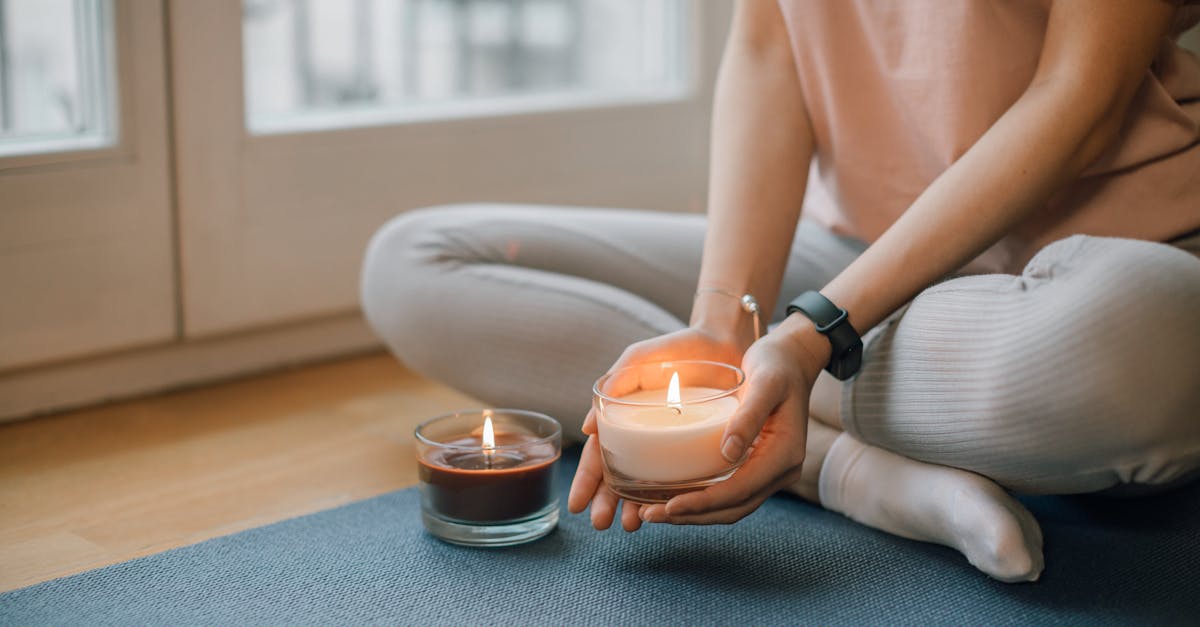
Designing a home that boosts your mood isn't about spending a lot of money. It’s about being intentional. It’s about swapping a harsh light for a warm one. It’s about adding a single texture that you love to touch. It’s about clearing the visual noise so your brain can finally rest.
Your home should be your nervous system’s best friend. Not another thing to manage.
So I’ll leave you with this: What is one thing you can change in the next ten minutes that will make your brain sigh with relief? Go do that. Your wellbeing is worth the effort.





