
Let’s be honest: we were promised a future of flying cars and holographic hangouts. Instead, we got a loneliness epidemic and a generation that texts "u up?" to people in the same room. But here’s the plot twist nobody saw coming—Gen Z isn't scrolling their way into oblivion. They’re quietly staging a comeback tour for the relics of the analog world.
I’ve found that the most interesting cultural shifts don’t announce themselves with a parade. They sneak in through the back door of a public library at 4 p.m. on a Tuesday.
Here’s a stat that stopped me mid-scroll: According to the American Library Association, Gen Z and Millennials are visiting public libraries more than any other generation. Yes, the iPad kids. The TikTok natives. The generation that supposedly killed napkins and chain restaurants. They’re packing into buildings with fluorescent lighting and the Dewey Decimal System.
Why? Because they’re starving for something the internet can’t algorithm into existence: a third place.

The Death of the "First" and "Second" Place
Sociologists have a term for the spots we occupy. Your first place is home—the place you sleep, fight with your roommates, and microwave leftovers. Your second place is work or school—the place you perform productivity and pretend to enjoy mandatory fun.
Then there’s the third place. Coined by sociologist Ray Oldenburg in his 1989 book The Great Good Place, it’s the neutral ground where community happens. Neither home nor work. A diner. A park. A barbershop. A library. Places where you don’t need a reservation, a membership fee, or a reason to be there.
Here’s what most people miss: Third places have been dying for decades. Suburban sprawl, car dependency, the collapse of walkable neighborhoods, and the rise of delivery apps all conspired to erase them. Then COVID delivered the final punch. We retreated into our apartments, ordered everything through an app, and convinced ourselves that Zoom happy hours counted as socializing.
They didn’t.
Why Gen Z Is Rejecting the $14 Artisanal Latte for the $0 Library Card
I’ve watched friends spend $80 on a "co-working day pass" at a trendy café with industrial lighting and playlists curated by someone who thinks lo-fi is a personality. Meanwhile, the public library down the street has free Wi-Fi, quiet zones, and—get this—actual silence.
The math isn’t hard. Gen Z is graduating into a brutal economy. Rent eats half their paycheck. Student loans hover like storm clouds. The idea of paying for a "vibe" is exhausting when you can get the same social energy for the price of a library card.
But it’s not just money. It’s performative consumption fatigue. Let’s be honest—there’s something liberating about a space where nobody cares what you’re wearing, what you ordered, or how photogenic your table looks. In a third place, you’re not a customer. You’re just a person existing in public. That’s radical in 2025.
The Diner Renaissance Nobody Predicted
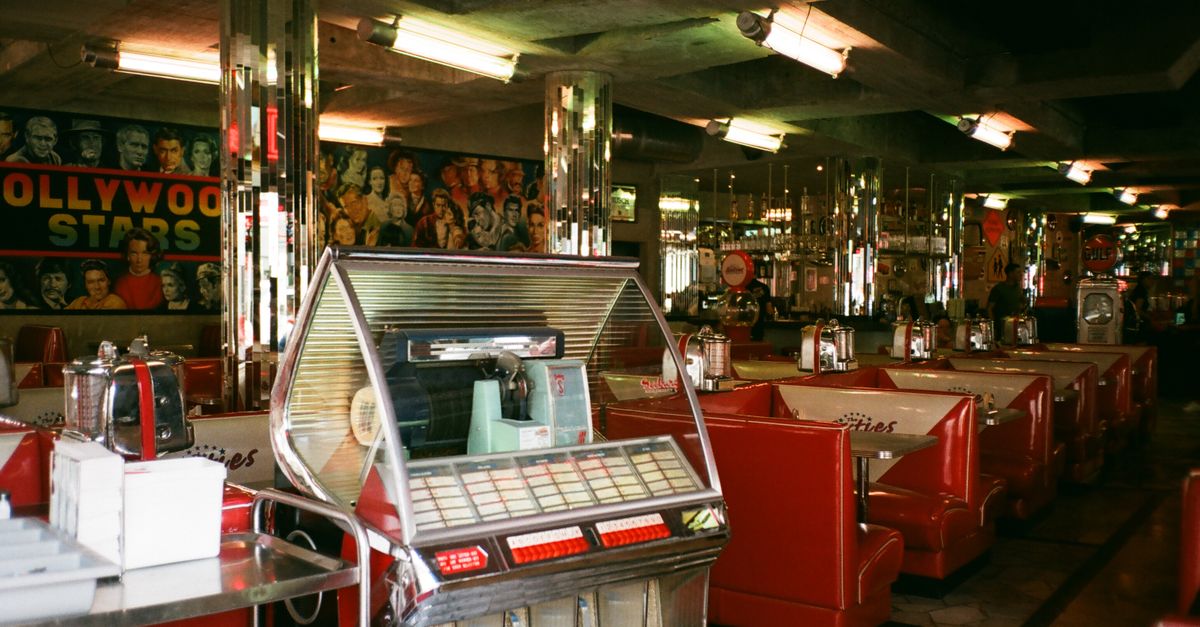
I live near a 24-hour diner that’s been slinging pancakes since the Reagan administration. For years, it was a ghost town after 9 p.m. Now? It’s packed with twenty-somethings nursing $3 bottomless coffees and playing cards.
The diner is the perfect third place. It’s cheap. It’s open late. You can sit for hours without being glared at. The waitress calls you "hon" and refills your mug without asking. It’s democracy in booth form.
Here’s the thing: Gen Z isn’t reviving these spaces out of nostalgia. They never experienced the 1950s diner heyday. They’re not trying to recreate their parents’ memories. They’re building something new from something old because it actually works. The diner doesn’t care about your follower count. It cares about whether you want fries with that.
The Library as the Ultimate Anti-Algorithm Sanctuary
If the diner is the heart of the third-place revival, the library is its brain. And Gen Z is using libraries in ways that would make your local librarian’s head spin.
- They’re borrowing books, but also seeds, tools, and musical instruments.
- They’re attending drag story hours, coding workshops, and anime clubs.
- They’re using libraries as climate-controlled shelters during heat waves and cold snaps.
- They’re treating the library as a free therapist’s office, a job-hunting hub, and a nap zone.
That’s a message Gen Z has been waiting their whole lives to hear.
The Third Place Is a Verb, Not a Noun
Here’s the uncomfortable truth: You can’t just build a third place and expect community to happen. It takes work. It takes showing up. It takes being a regular. It takes learning the names of the people behind the counter and the other weirdos who haunt the same corners you do.
I’ve seen third places fail because people treated them like background scenery. They wanted the vibe without the vulnerability. They wanted community without the awkward small talk. That’s not how it works.
The rise of third places isn’t about architecture. It’s about a generation deciding that isolation is a worse fate than inconvenience. It’s about choosing to sit in a room with strangers instead of doomscrolling alone. It’s about understanding that the best things in life—friendship, belonging, a really good grilled cheese at midnight—can’t be delivered to your door.

So What Do We Do With This?
The next time you’re tempted to order DoorDash and watch another episode of a show you don’t even like, ask yourself a simple question: When was the last time I went somewhere just to be around people?
If you can’t remember, you’re part of the problem. But you’re also part of the solution—because the fix is embarrassingly simple.
Go to the library. Sit at the diner. Join the community garden. Show up at the park with a book and no agenda. Be a regular somewhere. Be a familiar face. Be a third-place person in a first-place world.
Gen Z figured it out. The rest of us should probably take notes.