
Did you know that in 2023, searches for "quiet quitting" skyrocketed by 450%, while Google Trends showed "slow living" hitting an all-time high? Meanwhile, hustle culture gurus are still peddling 5 AM routines and cold plunges like they're the cure for existential dread. Let's be honest: we're tired. Not lazy—tired. And the rise of slow living isn't a trend; it's a survival instinct.
I used to think productivity was a moral virtue. I'd wake up at 5:30 AM, chug black coffee, and cram six meetings before lunch. My phone buzzed constantly with "urgent" emails, and my calendar looked like a game of Tetris gone wrong. I was busy. But was I happy? Not even close. I was running on fumes and performative exhaustion.
Here's what most people miss: slow living isn't about doing nothing. It's about doing the right things at a sustainable pace. It's about unlearning the toxic belief that your worth is tied to your output. And millennials and Gen Z are leading this rebellion—not because they're lazy, but because they've seen the other side.

The Burnout Epidemic Nobody Talked About
Let's rewind for a second. The hustle culture narrative exploded in the 2010s. Gary Vaynerchuk was yelling at us to crush it. Elon Musk was sleeping on factory floors. We were told that burnout was a badge of honor, that exhaustion was the price of success.
But here's the truth nobody wanted to say: burnout isn't a personality trait. It's a symptom of a broken system.
A 2022 Deloitte survey found that 77% of employees reported experiencing burnout at their current job. And the numbers are worse for younger generations—millennials and Gen Z are quitting in droves, not because they're entitled, but because they're finally realizing that their health isn't negotiable.
I've found that the most productive people I know are the ones who take naps, go for walks, and actually log off. They understand something that hustle culture refuses to admit: rest is a productivity tool, not a reward.
The "Quiet Quitting" Myth vs. The Slow Living Reality
Remember when "quiet quitting" went viral? Older generations panicked, calling it laziness. But here's the thing—quiet quitting isn't about doing the bare minimum. It's about doing your job without letting it consume your identity.
Slow living takes this a step further. It's not just about work boundaries; it's about rethinking how we spend all our time. Think about it:
- Instead of doom-scrolling for two hours, you read a chapter of a book.
- Instead of rushing through dinner, you actually taste your food.
- Instead of scheduling every minute of your weekend, you leave room for spontaneity.
And millennials and Gen Z are uniquely positioned for this shift. Why? Because they grew up with the internet. They've seen the curated chaos of hustle culture firsthand—and they're over it. They'd rather have a calm, meaningful life than a flashy, exhausted one.
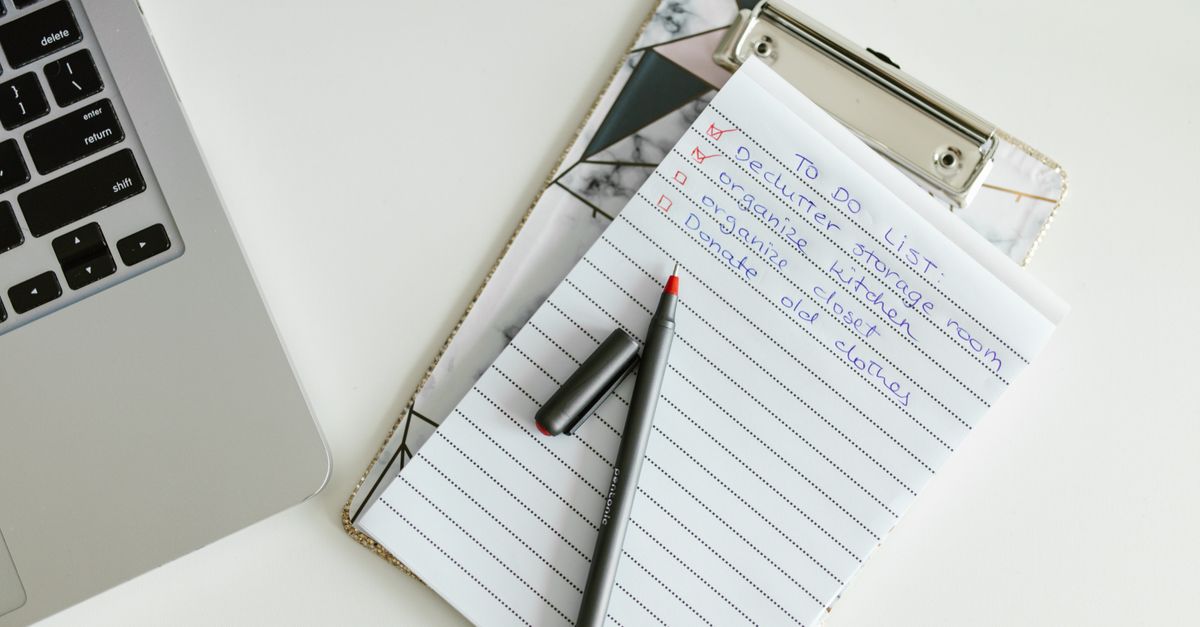
5 Ways Slow Living Is Changing How We Work, Spend, and Love
Let's break down the practical shifts I've noticed in my own life and in the people around me:
- Work is becoming a tool, not an identity. People are choosing remote jobs, freelance work, or four-day workweeks. The goal isn't to climb the ladder—it's to have time to live.
- Consumption is slowing down. Fast fashion is out; thrifting and capsule wardrobes are in. People are buying less, but better.
- Relationships are going analog. Instead of liking a photo, people are calling. Instead of texting, they're meeting for coffee. Slow living prioritizes depth over breadth.
- Digital minimalism is on the rise. I deleted Instagram from my phone for a month. The silence was deafening—and beautiful. Without constant notifications, I started noticing the sunset, the birds, the way my coffee smelled.
- Hobbies are becoming sacred. Not side hustles—hobbies. Painting, gardening, baking, playing an instrument. Things done purely for joy, not for monetization.
The Hidden Cost of Hustle Culture (That Nobody Talks About)
Let's get real about something uncomfortable: hustle culture is often a luxury that only certain people can afford. When you're struggling to pay rent, you can't just "choose slow living." But here's the paradox—the people who benefit most from hustle culture are often the ones already at the top.
The 9-to-5 grind, the gig economy, the "side hustle" obsession—these systems were designed to keep us busy, not to make us wealthy. Slow living, on the other hand, is about reclaiming your time and energy from systems that don't care about you.
I remember a friend who worked 80-hour weeks at a startup. She made six figures but had no time to spend it. She'd order takeout every night, never saw her friends, and cried in the bathroom twice a week. When she finally quit, she told me, "I realized I was trading my life for money I didn't have time to enjoy."
That's the hidden cost: you can't get your youth back. You can't rewind years of stress and missed moments.

Is Slow Living Just for the Privileged?
I get this question a lot. And it's valid. After all, not everyone can afford to work a four-day week or buy organic produce. But here's the thing—slow living is a spectrum, not an all-or-nothing lifestyle.
You don't need to quit your job and move to a cabin in the woods. You can start small:
- Take a 10-minute break without your phone.
- Cook one meal from scratch this week.
- Say "no" to one commitment you don't care about.
- Walk instead of drive when possible.
And let's be honest: the system is designed to make you feel obligated to everything. But you have more agency than you think.
The Future Is Slow (Whether You Like It or Not)
Here's my prediction: hustle culture will continue to fade. Not because it's unpopular, but because it's unsustainable. The planet can't handle endless consumption. Our bodies can't handle endless stress. And our souls can't handle endless emptiness.
Already, we're seeing signs of this shift. Companies are testing four-day workweeks. Countries like Iceland and Spain are implementing shorter hours. Even the World Economic Forum has warned about the global burnout crisis.
But the real change is happening in our homes and minds. People are finally asking, "What's the point of all this?"
I'll leave you with this: slow living isn't about being lazy. It's about being alive. It's about feeling the sun on your skin, tasting your food, laughing with friends, and sleeping without guilt.
So go ahead. Take that nap. Read that book. Ignore that email until tomorrow.
You're not falling behind. You're finally catching up to what matters.


