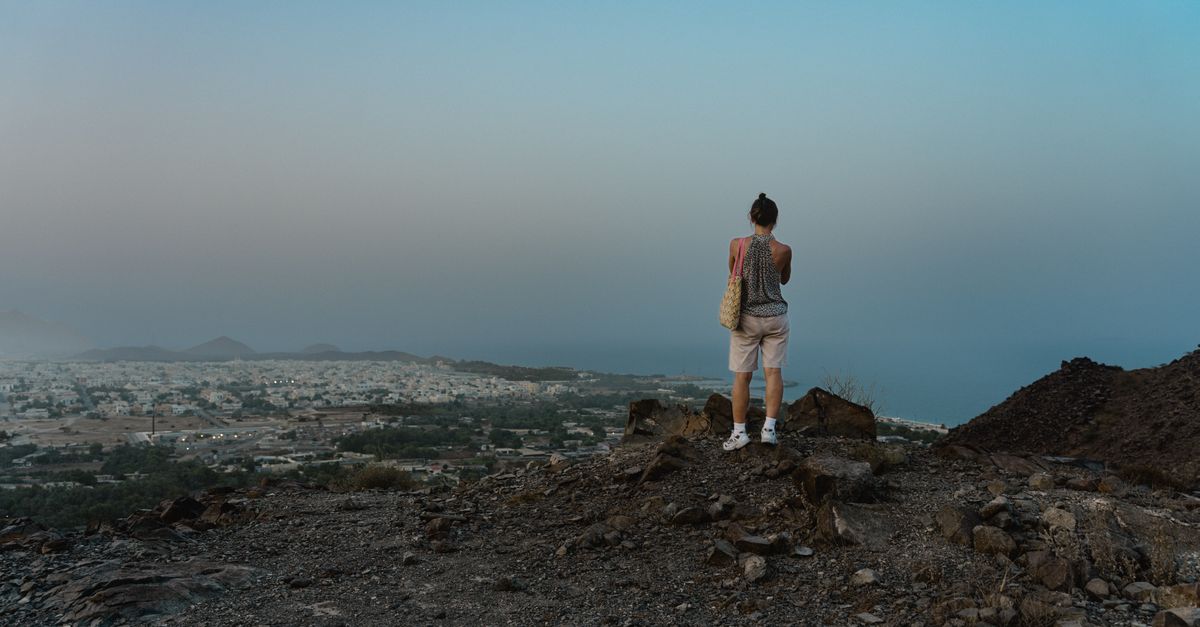
Picture this: a 23-year-old in Lisbon books a solo trip to the Azores, packs noise-canceling headphones, a journal, and absolutely zero plans to see a single monument. She spends five days reading on cliffs, eating bread and cheese, and talking to maybe four people. She comes home and calls it the best trip of her life.
That's not a fluke. That's quiet travel — and it's quietly (pun fully intended) becoming the defining travel trend of 2024.
Here's the stat that stopped me mid-scroll: according to recent booking data, searches for "silent retreats" and "digital detox trips" have jumped over 200% year-over-year, with the biggest spike coming from travelers aged 18 to 27. Gen Z — the generation we're told can't go five minutes without posting — is apparently booking trips specifically designed to unplug, slow down, and shut up.
I've found that whenever a trend sounds contradictory, it's usually the most honest one. So let's dig into why the most online generation alive is suddenly craving silence.
The Overstimulation Hangover Is Real
Let's be honest — Gen Z grew up marinated in noise. Notifications, group chats, algorithm feeds, the endless low hum of being perpetually reachable. A traditional vacation doesn't fix that. You fly to Barcelona, and what happens? You're still doom-scrolling at the Airbnb, still answering Slack messages, still performing your trip for an audience.
Quiet travel flips the script by removing the performance. No itinerary flexing. No "day 3 of 7 in paradise" captions. Just you, a place, and whatever happens when nobody's watching.
I've talked to friends who've done this, and the pattern is always the same: the first 48 hours feel unbearable. The silence is loud. Then something shifts. They start noticing things — the texture of a city at 6 a.m., the way strangers talk when they're not being filmed, the weirdly specific joy of a mediocre pastry eaten slowly.
That's not a vacation. That's a reset.
Why Sightseeing Started Feeling Like Homework
Here's what most people miss: the sightseeing economy is built on scarcity and guilt. You paid for the flight, so you must see the Eiffel Tower. You're in Rome, so you have to do the Colosseum. Every landmark becomes a checklist item, and every checklist item becomes a job.
Gen Z noticed something older travelers mostly ignored — the photos rarely match the reality. You wait 90 minutes in line to stand in a crowd of 4,000 people all taking the same photo of the same thing. Then you post it, get 200 likes, and feel... nothing.
Quiet travel says: skip it. Sit in a neighborhood café for three hours instead. Walk without a destination. Let the trip be boring in the best possible way.
And honestly? The data backs this up. A 2024 survey found that 68% of Gen Z travelers say "relaxation and mental reset" is their top reason for traveling, beating out "sightseeing" and "experiencing new cultures" for the first time ever. The priorities have flipped.

The Rise of the Anti-Itinerary Itinerary
So what does quiet travel actually look like in practice? It's not one thing — it's a philosophy. Here's the loose playbook I've seen emerging:
- Slow stays over city-hopping. One town for a week instead of five cities in five days.
- Silent retreats and monastery stays. Yes, really — bookings are up, and they're not just for wellness influencers anymore.
- Off-season everything. Fewer crowds, cheaper flights, and a version of a place that locals actually recognize.
- Analog mornings. No phone until noon. Journal, walk, eat, exist.
- Solo by default. Not anti-social — just unbothered by the need to coordinate.
The Hidden Economics of Choosing Silence
There's a practical reason this trend is accelerating, and it's not just spiritual. Quiet travel is cheaper.
No tours, no pricey attractions, no rush-taxi between landmarks. You stay longer in one place (cheaper per night), eat where locals eat, and spend your money on slow experiences instead of fast ones. For a generation staring down student debt and insane rent, that math matters.
But I think the deeper driver is emotional. Gen Z is the most anxious generation on record, and they know it. They're not looking for escape — they're looking for regulation. Silence isn't a luxury to them. It's medicine.
And here's the part that genuinely inspires me: they're not waiting for permission. They're just booking the quiet trip, turning off the phone, and coming back as slightly different people.

What This Says About Us (Yes, All of Us)
I'll be real with you — I used to think "quiet travel" was just a rebrand of "being too tired to sightsee." I was wrong. Watching this trend unfold, I've started craving it myself. Not because I don't love adventure, but because adventure and noise got tangled together, and I want them untangled.
The rise of quiet travel isn't Gen Z rejecting the world. It's Gen Z rejecting the version of travel that was optimized for cameras instead of humans. That's not a phase. That's a correction.
So here's my challenge to you, whether you're 22 or 52: book one trip this year with no itinerary. Pick a small place. Leave the landmarks for someone else. Bring a notebook and a willingness to be bored.
The silence will feel weird for a day. Then it'll feel like the first real breath you've taken in months.
And if you're not ready to book anything yet? Start smaller. Take one silent morning this weekend. No phone, no plans, no audience. Just you and whatever your brain does when nobody's asking it to perform.
Trust me — the quiet is worth it.


