
Let me tell you something: we’ve been designing our homes all wrong. For decades, the conversation was about trends—mid-century modern, farmhouse chic, minimalist blah. It was about what looked good to others, what photographed well for the ‘gram. But what about how it feels? What about walking into a room and having your spirit lift, your shoulders drop, and a genuine, quiet “ahhh” escape your lips?
That’s the heart of Dopamine Decor. It’s not a passing fad; it’s a design rebellion. It’s the conscious choice to craft spaces that actively boost your mood, spark joy, and engage your senses on a neurological level. We’re finally asking: why shouldn’t our homes be our daily dose of well-being?
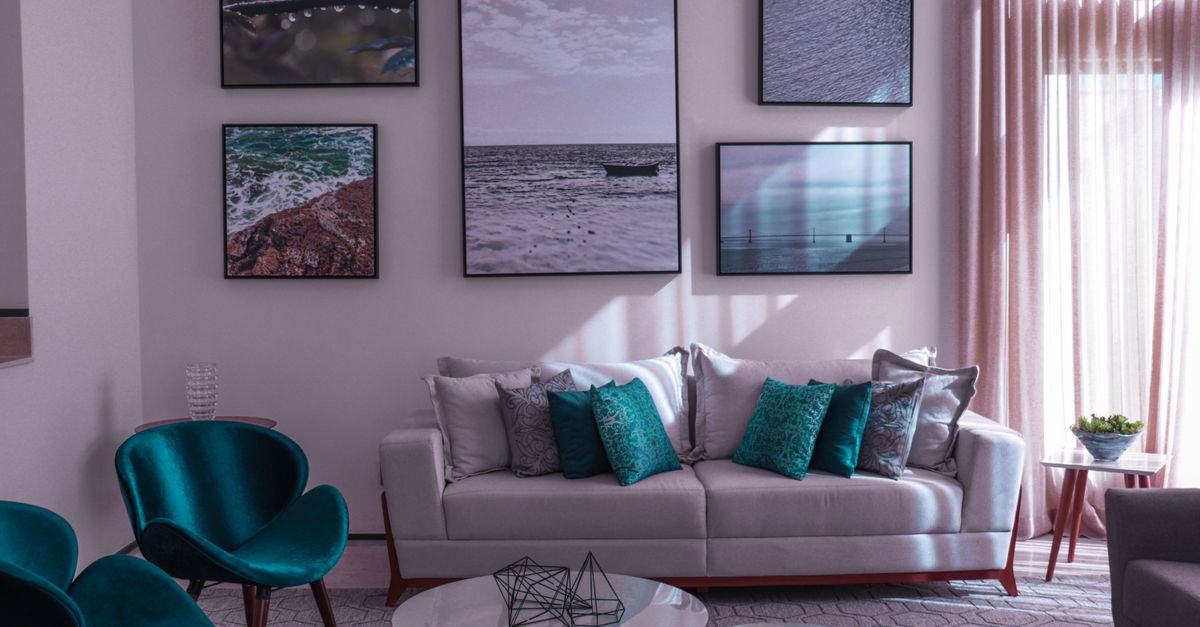
Your Brain on Design: The Science of Feeling Good
Let’s be honest, “dopamine” gets thrown around a lot. But in this context, it’s the perfect shorthand for the cocktail of feel-good neurotransmitters—serotonin, endorphins, oxytocin—that certain environments can trigger. Our brains are wired to respond to specific stimuli: color, light, texture, personal meaning. A sterile, beige box might look “calm,” but it can also feel emotionally flat, even depressing.
Dopamine Decor flips the script. It uses design principles to create positive sensory feedback loops. That jolt of happiness you get from seeing a beloved photo, running your hand over a chunky knit throw, or basking in a perfect patch of morning sun? That’s the goal. It’s designing for the gut reaction, not just the aesthetic.
Beyond Beige: The 5 Pillars of a Mood-Boosting Home
So, how do you move from theory to your actual, lived-in space? It’s not about maximalism for its own sake. It’s intentional. Here’s what most people miss: it’s a deeply personal recipe. My dopamine hit might be different from yours. But these five pillars are your starting point.
- Color with Intention: Forget “neutral is safe.” Color is the most direct line to your mood. It’s not about painting every wall neon. It’s strategic color psychology. Want energy and creativity in your home office? Citrusy yellows or coral accents. Craving calm in the bedroom? Soothing sage greens or deep, oceanic blues. The key is your emotional association. I’ve found that a single wall in a bold, happy hue (like my office’s terracotta) does more for my motivation than any caffeine.
- Texture is a Touchstone: We are tactile creatures. A room that’s all smooth, hard surfaces feels cold. Dopamine Decor is tactile layering. Think: a nubby bouclé chair, a silky velvet cushion, a rough-hewn wooden side table, a fluffy sheepskin rug. Your eye travels across the variety, and your body wants to engage. It makes a space feel alive and comforting.
- Personal Archaeology (Not Clutter): This is the soul of it. Your space should tell your story. It’s the meaningful curation of objects that spark a memory, a smile, a connection. That weird ceramic vase you bought on a trip, the book your best friend gave you, the kid’s artwork framed with pride. This isn’t clutter—clutter is visual noise. This is visual soul food. Display what you love, and store the rest.

- Light is Your Best Friend: Harsh, overhead lighting is the enemy of mood. Period. It’s clinical. Embrace layered lighting. Warm-toned bulbs are essential. Then, build your layers: ambient (a great statement lamp), task (a focused reading light), and accent (a small spotlight on art or a string of fairy lights). And never, ever underestimate the power of natural light. It’s the ultimate free mood booster.
- Movement and Flow: A cramped, awkwardly arranged room creates mental friction. Biophilic design principles—connecting to nature—are a huge part of this. A clear path to a window, a sightline to a plant, room to move freely. It’s about creating a sense of ease and organic flow. Can you dance from the kitchen to the living room? Good.
The Dopamine Decor Detox: What to Let Go Of
Here’s the tough-love part. To make room for joy, you have to clear out the joy-suckers. This is a personal audit.
The “Should” Items: That expensive abstract art you bought because it was sophisticated, but you secretly don’t like? The trendy pillow in a color that grates on you? Let them go. Your home is not a showroom for public opinion. The Guilt Pieces: The gifted item you feel obligated to display but hate. Find a kind way to thank it for its service and move it along. Your peace is more important. The Broken & The Bland: That lamp with the wobbly base you keep meaning to fix. The generic, mass-produced “live, laugh, love” sign. They contribute nothing but visual static. Be ruthless in favor of what truly resonates.

Start Small: Your First Hit of Home-Grown Happiness
This doesn’t require a full renovation. Start with a micro-dose of dopamine decor.
Swap your lighting: Change out cool bulbs for warm ones (2700K-3000K is the sweet spot). Create a joy shelf: Clear one shelf and style it only with things that make you smile. Introduce a texture: Add one incredibly tactile throw or cushion to your sofa. Play with color: Paint the inside of a bookshelf or your front door a surprising, happy color. Bring in life: Get one easy, forgiving houseplant (a ZZ or snake plant) and put it where you’ll see it daily.
The goal isn’t perfection. It’s aliveness. It’s creating a sanctuary that doesn’t just house you, but holds you. A space that doesn’t just look good on camera, but feels good in your bones. So, look around your room right now. What’s one thing you can change today to give your brain—and your heart—a little lift?





