
Did you know that the average person spends approximately 90% of their time indoors? And yet, we often design our homes for aesthetics first, and our well-being a distant second. We agonize over paint swatches and rug sizes, but rarely stop to ask the most fundamental question: *How does this space make me feel?
Enter Dopamine Decor. It’s more than just a fleeting TikTok trend; it’s a neuroscience-backed approach to interior design that consciously uses color, texture, and personal artifacts to spark joy, reduce stress, and literally give your brain a healthy hit of feel-good chemicals. It’s about moving beyond minimalist beige and creating a home that actively contributes to your mental and emotional health. Let’s be honest, after the last few years, couldn’t we all use a space that feels like a warm hug for our nervous systems?

The Neuroscience of Your Nest
First, a quick primer. Dopamine isn’t just about pleasure; it’s a key neurotransmitter in our brain’s reward system, driving motivation, focus, and that spark of “I love this!” It’s released when we experience something novel, achieve a goal, or engage with something deeply personal and meaningful.
Dopamine Decor taps directly into this. It’s the antithesis of the stark, impersonal “Instagram-perfect” home. Instead of suppressing your personality, it demands you amplify it. A thoughtfully designed space can lower cortisol (the stress hormone), boost creativity, and even improve sleep. So, how do we move from theory to practice? It’s less about rules and more about intentional sensory layering.
Color: Your Mood’s Most Powerful Lever
Here’s what most people miss: it’s not about painting every wall neon green. It’s about strategic color dosing. While the science of color psychology is nuanced, we know warm tones (yellows, corals, peaches) can evoke optimism and energy, while cooler blues and greens promote calm. But the real dopamine hit? It often comes from the unexpected pop of color.
I’ve found that committing to a bold color in smaller, low-risk ways is the key. A sunny yellow bookshelf interior, a lacquered emerald green ceiling in a powder room, or even just a stack of vibrant books on a neutral table. These moments of surprise visually delight us every time we encounter them. Don’t just think walls—think inside cabinets, the back of a bookshelf, or your front door.
The Texture Tango: Touch is Everything
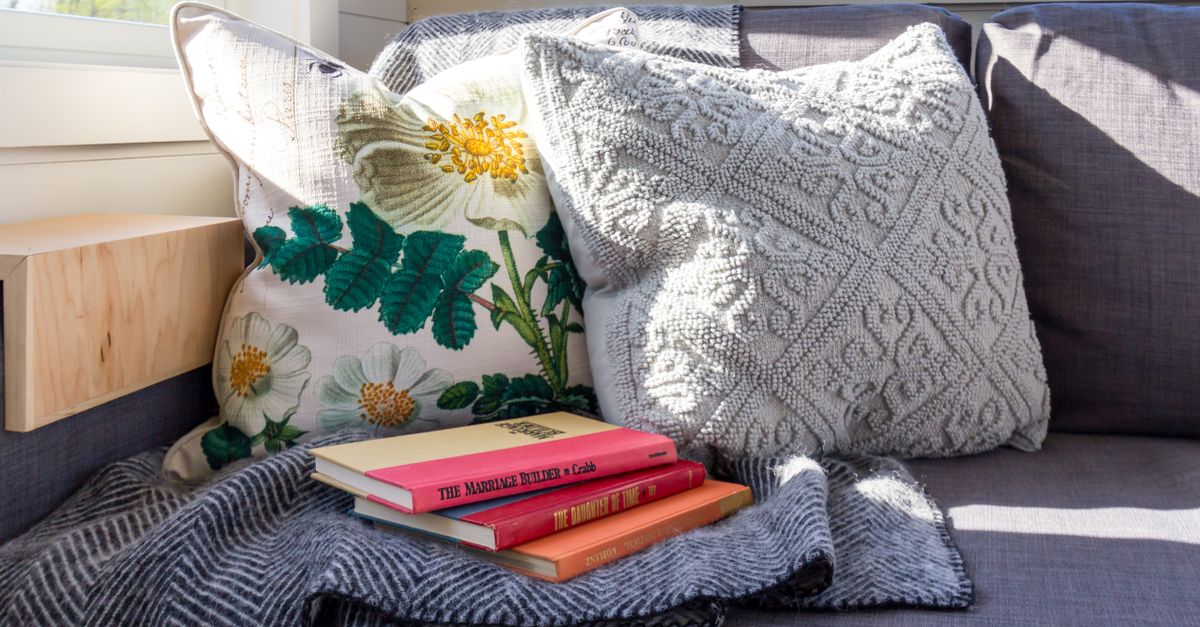
Our visual cortex is powerful, but our sense of touch is primal. A home that feels good is just as important as one that looks good. This is where tactile maximalism comes into play. We’re talking about creating a rich tapestry of materials that invite you to reach out and interact.
Think about the contrast: A sleek, cool marble side table next to a nubby, hand-knit wool throw. The smooth glide of a velvet curtain against a rough, woven jute rug. The satisfying, solid heft of a ceramic mug versus the delicate pattern of a linen tablecloth.
This variety isn’t just visually interesting; it creates micro-moments of sensory engagement throughout your day. Running your hand over a chunky basket weave or sinking into a plush, deep-pile rug provides instant, grounding comfort.
Personal Curation Over Generic Perfection
This is the heart and soul of Dopamine Decor. A print from a big-box store might be pretty, but it’s neutral. The piece you bought from a street artist on your honeymoon in Lisbon? That’s dopamine. It tells a story. It triggers a memory. It’s uniquely you.
Your home should be a museum of your own life. Display the seashells from your favorite beach walk, frame your child’s wild abstract painting, or dedicate a shelf to those weird little trinkets you’ve collected. These are your emotional anchors. They transform a house from a showroom into a sanctuary. Every glance at that silly souvenir or cherished photo is a tiny, positive neural nudge.
Movement, Light, and the “Alive” Space
A static room is a dead room. Dopamine thrives on gentle novelty and a connection to the natural world. Incorporate elements that move and change. A mobile that catches the breeze from an open window. A prism that throws rainbows across the wall as the sun moves.
- A fish tank or even a simple, bubbling water feature.

Your Dopamine Decor Action Plan
Feeling inspired but overwhelmed? Start small. You don’t need to renovate.
- Audit One Room. Sit in it. What feels flat? What brings you a flicker of joy? Be brutally honest.
- Inject One Bold Color. A throw pillow, a small side table, a piece of art. Something that makes you smile.
- Add Three Textures. Swap a smooth cushion for a fuzzy one. Add a rattan basket. Drape a silky scarf over a chair back.
- Display Three Memories. Get them out of the drawer and onto a shelf or wall.
- Fix the Light. Buy one great lamp with a warm bulb and use it instead of the big ceiling light for a week.





