
I was standing in line at a coffee shop in Sofia last month, and the woman ahead of me did something that would've been unthinkable five years ago. She pulled out a fat stack of cash — visibly, deliberately — and paid for a six-euro latte with a fifty. No discreet card tap. No quiet Apple Pay. Just paper money, loud and proud, like she wanted the whole queue to know she wasn't optimizing for elegance. She was optimizing for impact.
I laughed to myself. Two years ago, that same move would've read as tacky. Today? It reads as a statement. And that's exactly what's happening to the entire status economy right now.
The "Quiet Luxury" Hangover Nobody Saw Coming
Let's be honest — quiet luxury had a hell of a run. From Succession to every beige-cashmere influencer on your feed, the aesthetic of "if you know, you know" ruled the early 2020s. No logos. No flash. Just $900 loafers and a face that says I don't need your approval.
But here's what most people miss: quiet luxury was never really quiet. It was just exclusivity wearing a cardigan. The whole point was that only a certain tax bracket could recognize the codes — the Loro Piana tag, the Brunello Cucinelli stitching, the specific shade of oatmeal that screams "my portfolio is diversified."
And then, predictably, it got democratized. Zara dropped dupes. TikTok taught everyone the vocabulary. Suddenly your neighbor's teenager knew what "stealth wealth" meant, and the whole thing collapsed under the weight of its own accessibility.
Enter "Loud Budgeting" — The Status Signal That Flipped the Script
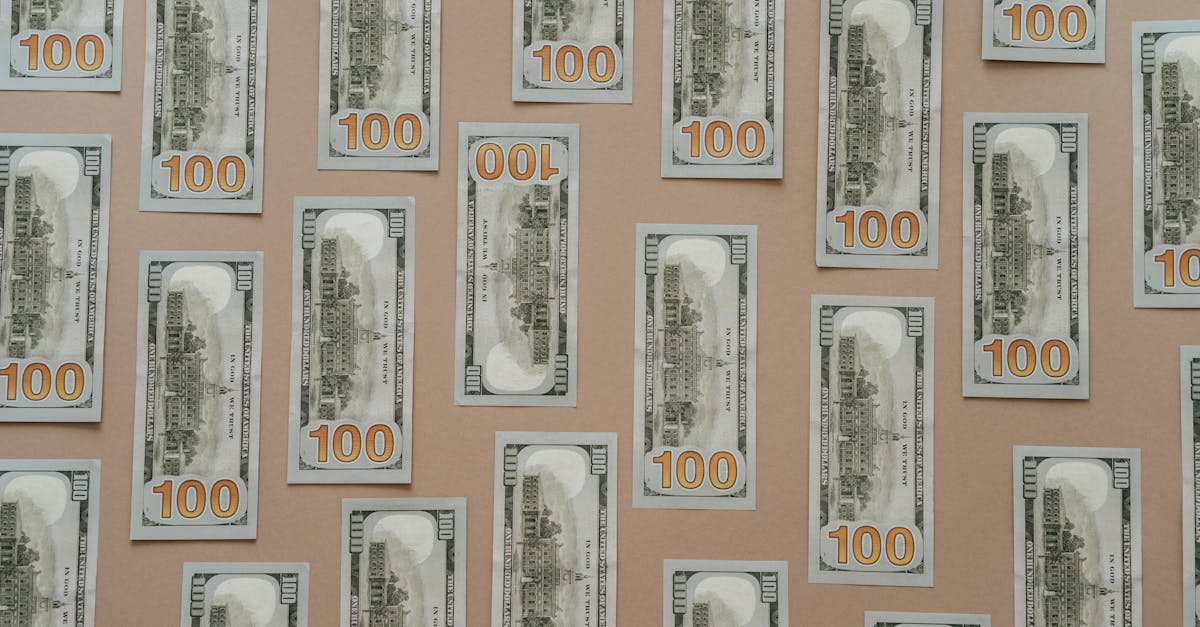
If quiet luxury whispered, loud budgeting shouts from the rooftop. The term, popularized by TikTok creator Lukas Battle in late 2023, is basically the financial equivalent of actually saying what you mean. It's the friend who announces, "I'm not ordering appetizers, I'm saving for a house." It's declining the bachelorette trip because the math doesn't math.
On paper, it sounds like frugality. But that's the surface read. The deeper truth is that loud budgeting is a new form of status signaling — one where restraint is performed openly instead of disguised as taste.
Think about it:
- Quiet luxury said: "I have money, but I'm too refined to show it."
- Loud budgeting says: "I have goals, and I'm disciplined enough to say no."
I've found that Gen Z and younger millennials aren't rejecting status entirely. They're just redefining what counts as impressive. Transparency beats mystery. Discipline beats inheritance. And honestly? It's refreshing as hell.
Maximalism Isn't a Comeback — It Never Actually Left
Here's where the narrative gets messier. While quiet luxury was supposedly reigning supreme, maximalism was quietly (ironically) building its own empire. The rise of dopamine dressing, eclectic interiors, and "cluttercore" wasn't a niche trend — it was the mainstream that the luxury crowd pretends not to see.
Look at any Gen Z apartment tour on YouTube. It's not beige. It's mushroom lamps, thrifted ceramics, vinyl records, and a wall of posters that would make a minimalism guru faint. And it's intentional. The chaos is curated.

Why does this matter for status? Because maximalism signals something quiet luxury never could: personality over pedigree. A $4,000 handbag says "I can afford this." A room full of weird, specific, deeply you objects says "I know who I am." And in a world where everyone's copying the same Pinterest board, originality is the scarcest luxury of all.
Why the Status Economy Is Splitting in Two
What we're actually witnessing isn't the death of one aesthetic and the birth of another. It's a bifurcation of status itself.
On one side: the loud budgeters. Transparent, goal-oriented, allergic to performative spending. They flex their 401(k) and their no-spend months.
On the other side: the maximalists. Expressive, sensory, unapologetically extra. They flex their taste, their thrift finds, their refusal to be boring.
And in the middle? The quiet luxury crowd, suddenly looking a little... beige. A little safe. A little over.
Here's the part that fascinates me: both new camps are rejecting the same thing — the performance of effortless wealth. Quiet luxury pretended money wasn't the point. Loud budgeting and maximalism both say, of course money is the point, let's talk about it honestly.
The Real Reason Status Codes Are Shifting So Fast
I've been writing about culture long enough to know that aesthetic shifts don't happen in a vacuum. So what's actually driving this?
Three things, mostly:
- Economic anxiety. When housing is unaffordable and wages are stagnant, pretending to be rich feels gross. Loud budgeting is a coping mechanism and a moral stance.
- Authenticity fatigue. We've been performing "effortless" for a decade. People are exhausted. Maximalism is permission to stop pretending you don't care.
- Algorithmic flattening. Quiet luxury got memed to death. Once a trend becomes a TikTok sound, it's over. The only way to stay ahead is to get weirder, louder, or more honest.

What Comes Next (And Why It Matters for Your Wardrobe and Your Wallet)
Predicting trends is a fool's game, but I'll take the bet: the next status symbol won't be a thing at all. It'll be a behavior. Knowing your numbers. Having a distinct point of view. Being the person who says "no" without apologizing and "yes" without explaining.
That's the throughline between loud budgeting and maximalism. Both are about intentionality over inheritance. Both reward self-knowledge over brand knowledge. And both make the old guard deeply uncomfortable — which is usually a sign you're onto something.
So here's my challenge to you: audit your own status signals this week. Are you buying the beige loafers because you love them, or because they telegraph the right thing? Are you declining the trip because you're broke, or because you're building something? The answer matters less than the awareness.
Because the loudest flex in 2025 isn't money, taste, or restraint. It's knowing exactly why you do what you do — and being cool with everyone seeing it.


