Let's be honest: for decades, "recovery" was code for "being lazy." If you weren't puking at the finish line or limping to your car, you weren't working hard enough. I grew up believing that rest was what you did when you physically couldn't move anymore. I was wrong.
The athletes at the top of the podium right now? They're not just training harder than everyone else. They're recovering smarter. We're watching a full-scale rebellion against the old-school "grind now, sleep when you're dead" mentality. And the science backing it up is impossible to ignore.
Here's the controversial part: Your fitness tracker is probably lying to you. That fancy "readiness score" on your wrist? It's a data point, not a doctor's note. The elite crowd knows this. They've moved past obsessing over numbers and into a strange, almost spiritual territory of recovery that involves everything from cold plunges to… well, let's get into it.
The "No Pain, No Gain" Era Is Officially Dead
I've found that the biggest shift isn't in the gym—it's in the mindset. For years, the overload principle ruled everything. You push, you break down, you rebuild stronger. That part is still true. But what most people miss is that the rebuilding doesn't happen during the workout. It happens during the rest. If you're constantly in a state of breakdown, you're not building anything—you're just accumulating damage.
Look at guys like LeBron James. The man spends seven figures a year on his body. Cryotherapy chambers, hyperbaric oxygen, compression boots, personal chefs, sleep coaches—it's not a luxury, it's a strategy. He's not just playing a sport; he's managing a biological asset. And the data proves it: his longevity at that level of physical output is borderline supernatural. But it's not magic. It's the new rules of recovery in action.

The Secret Weapon Is Boring (And It's Not a Gadget)
Here's what the biohackers won't tell you: the most powerful recovery tool on the planet costs exactly zero dollars. It's sleep. Not just "eight hours in bed"—we're talking about sleep architecture. Elite athletes are now tracking REM and deep sleep cycles with the same obsession they use for their sprint times.
I've started doing this myself, and it's humbling. You realize how much you've been lying to yourself about "getting enough rest." The pros are using blackout curtains, cooling mattresses, and rigid sleep schedules. Some teams even travel with portable sleep pods. The goal isn't just to be unconscious for eight hours—it's to optimize the exact moments when your body releases growth hormone and repairs muscle tissue.
The rule is simple: If you're not sleeping, you're not recovering. Everything else—the ice baths, the massage guns, the supplements—is just window dressing. Sleep is the foundation. Without it, the rest is noise.
Cold, Heat, and the Art of Controlled Stress
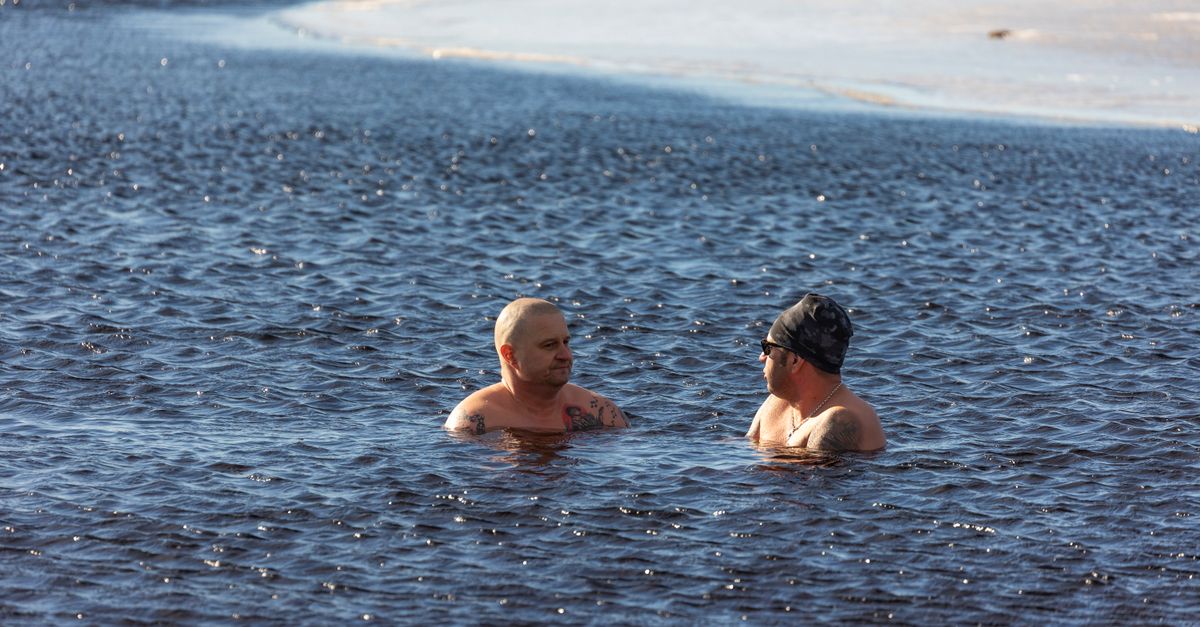
Let's talk about the weird stuff. I used to think the cold plunge trend was just a bunch of tech bros trying to look tough. Then I tried it. Then I read the research. Then I shut up.
Contrast therapy—alternating between cold and heat—isn't new. It's been used by Finnish swimmers and Russian weightlifters for decades. But now, it's mainstream. The logic is fascinating: you're introducing controlled stress to trigger an adaptive response. The cold reduces inflammation and constricts blood vessels; the heat dilates them and flushes out metabolic waste. It's a pump for your recovery system.
- Cold therapy (10-15°C): Reduces swelling and muscle soreness. Keep it short—10 to 15 minutes max.
- Heat therapy (sauna, hot tub): Promotes blood flow and relaxation. Aim for 15-20 minutes.
- Contrast: Repeat two to three cycles. Finish with cold if you're training for power, heat if you're prioritizing relaxation.
The One Thing Most Athletes Still Ignore
Here's where I get frustrated. We've got all this technology, all these protocols, and yet nutrition is still the wild west for so many athletes. The elite crowd has figured it out: you can't out-recover a bad diet.
I'm not just talking about protein shakes and carb-loading. The new frontier is nutrient timing and anti-inflammatory eating. Athletes are working with dietitians to identify specific foods that reduce oxidative stress and promote tissue repair. Tart cherry juice, turmeric, omega-3s, collagen—these aren't just supplements anymore. They're part of the recovery arsenal.
The rule: Treat your kitchen like a pharmacy. Every meal is either helping you recover or hindering you. There's no neutral. The pros know this. The weekend warriors don't. That's the gap.
Your Wearable Is a Tool, Not a Guru
Let's circle back to that readiness score. I've found that the most advanced athletes use wearables as a feedback loop, not a final verdict. They'll check their HRV (heart rate variability) in the morning, but they won't let a "low" score dictate their entire day. They'll adjust—maybe go lighter on the strength work and focus on mobility—but they won't panic.
The danger is when you let the device override your own intuition. Your body knows things your watch doesn't. The elite crowd has learned to blend the data with self-awareness. They're not slaves to the algorithm. They're in conversation with it.
The Recovery Mindset: A New Form of Discipline
The final piece of the puzzle is the mental game. Recovery isn't just physical—it's psychological. The pros are now working with sports psychologists on downregulation techniques: breathing exercises, meditation, visualization. It's about teaching the nervous system to shift from "fight or flight" to "rest and digest."
I've started doing a five-minute breathing exercise after workouts, and it sounds ridiculous, but it works. It's not about being "zen"—it's about lowering cortisol and creating an environment where your body can actually heal. The new discipline is knowing when to stop.
So here's my challenge to you: Stop treating rest like a reward. Stop thinking of recovery as something you earn. It's not a luxury. It's the foundation. The athletes who are dominating right now aren't just the ones who train the hardest—they're the ones who recover the smartest. The rest of us would be wise to follow their lead.
What's the one recovery habit you're willing to commit to for the next 30 days? I'll be honest—I'm still working on the sleep thing. But I'm trying. And that's the point.