
You know that moment when you're trying to order a new car, or maybe just a simple PlayStation 5, and the salesperson looks at you with those dead, apologetic eyes? They don't even say "shortage" anymore. They just shrug. That's because the global chip shortage isn't a headline anymore—it's a permanent state of being. But here is the stat that actually made me spit out my coffee this morning: Analysts now estimate that the semiconductor industry is facing a shortfall of roughly 1 million skilled workers by 2030. Not just chips—the actual humans to make the chips are missing.
Let's be honest, we've been hearing about silicon scarcity since 2020. We were told it was a "pandemic blip." But this isn't a blip. It's a tectonic shift. And just last week, the market hit a tipping point that nobody is talking about in the mainstream press yet. Let's dig into the dirt.
The "Tipping Point" Isn't About iPhones Anymore
We all got used to waiting six months for a new GPU. That was annoying, sure. But the real drama is happening in places you don't see. I've found that the most dangerous shortages are in the legacy chips—the humble, cheap microcontrollers that run your dishwasher, your car's window motors, and the sensors in hospital ventilators.
Here's what most people miss: the industry shifted production to the fancy, high-margin 5nm and 3nm chips for AI. But the world runs on 28nm and 40nm chips. They are the glue of the modern economy.
The tipping point? Automakers just started permanently redesigning their vehicles to use fewer of these chips. That sounds smart, right? Except it means they are now competing with every other industry for the newer capacity, which is already sold out through 2026. It’s a game of musical chairs, and the music is about to stop.
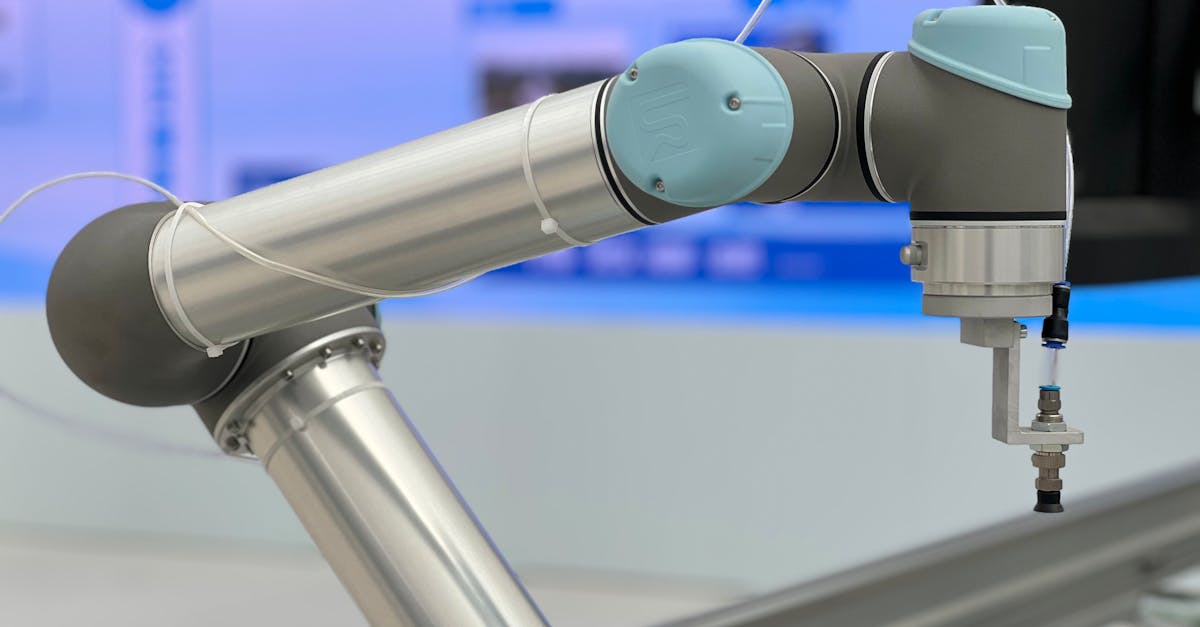
The AI Gold Rush Is Eating the World
Let's talk about the elephant in the room: Artificial Intelligence. I know, I know, you're tired of hearing about AI. But you need to understand the physics here.
Training a single large language model requires tens of thousands of GPUs. Nvidia is selling these things like hotcakes—their data center revenue is up over 200% year-over-year. But here is the kicker: those GPUs are massive. They take up an insane amount of wafer space.
The result? Chip capacity is being cannibalized. The fabs in Taiwan and Korea are running at 100% capacity, but they are prioritizing AI accelerators over standard CPUs and memory chips. This is causing a "crowding out" effect. If you are a mid-sized tech company trying to buy standard server chips, you are now at the back of the line behind OpenAI and Google. It’s not fair, but it’s the reality of the free market.
Why "Building More Fabs" Is a 5-Year Lie
The politicians are promising us that new factories in Arizona and Ohio will fix everything by 2025. Let's be honest: that's nonsense.
Building a leading-edge fab is like building a city from scratch. It takes 3 to 5 years just to install the equipment, and then another year to validate the process. You can't just flip a switch. Plus, the "China + 1" strategy is causing a massive duplication of supply chains. Every country wants its own self-sufficiency, which means we are building more fabs than we actually need globally, but they are all the wrong kind.
Here is the paradox: We are going to have a glut of cutting-edge AI chips by 2027, while simultaneously facing a chronic shortage of the "dumb" chips needed for electric vehicles and smart grids. The market is going to be incredibly lumpy. If you’re an investor, this is where the hidden opportunity lies—not in the shiny stuff, but in the boring stuff.

The Real Cost: It’s Not Just About Gadgets
Let’s bring this down to the kitchen table. I’ve noticed that my own appliance repair guy is retiring because he can't get parts. That is the human impact.
The shortage is now hitting the medical device industry hard. Pacemakers, insulin pumps, and even basic hearing aids rely on those legacy chips. We aren't talking about a delay in a luxury item; we are talking about supply chains that are literally life-saving.
Here’s what I think is the most under-reported consequence:
- Job losses in manufacturing: If you can't get the chips, you can't assemble the cars. Period.
- Inflation: This is a silent driver of the prices we are all paying. Every product that has a chip in it—which is basically everything—has a hidden "chip tax."
- Innovation slowdown: Startups can't get prototype chips, so they die on the vine. We are losing the next generation of tech because they can't get the silicon to test their ideas.
The "Inventory Hoarding" Crisis
We have to talk about the bad behavior. During the pandemic, everyone double-ordered. Now, the market is so volatile that companies are hoarding chips like they are canned goods during a hurricane.
I spoke to a procurement manager (who asked to remain anonymous) who told me they are ordering 200% of their actual needs, just to ensure they get 80% of what they want. This creates a phantom demand that distorts the entire supply chain. It’s a vicious cycle: the shortage creates panic, panic creates hoarding, and hoarding creates a worse shortage.
The only way this breaks is if we see a major recession that tanks consumer demand so hard that the hoarders get stuck with inventory. It sounds counter-intuitive, but a mild economic downturn might be the only thing that rebalances the market.
What Happens Next? The Silver Lining
So, are we doomed? Not necessarily. I’m actually a natural optimist, and I see a few massive shifts coming that will change the game.
First, Chiplet architecture is going to save us. Instead of making one giant chip (which is hard), companies are starting to stitch together smaller "chiplets" into a package. This boosts yield and allows them to use older, more available manufacturing processes.
Second, we are going to see a surge in "Edge AI." Instead of sending everything to the cloud, we will see more processing happening on the device itself. This reduces the demand for massive data center GPUs and spreads the load out.
Finally, the "Silicon Photonics" revolution is coming. Using light instead of electricity to move data inside computers could dramatically reduce the complexity of chip manufacturing, easing the bottleneck.
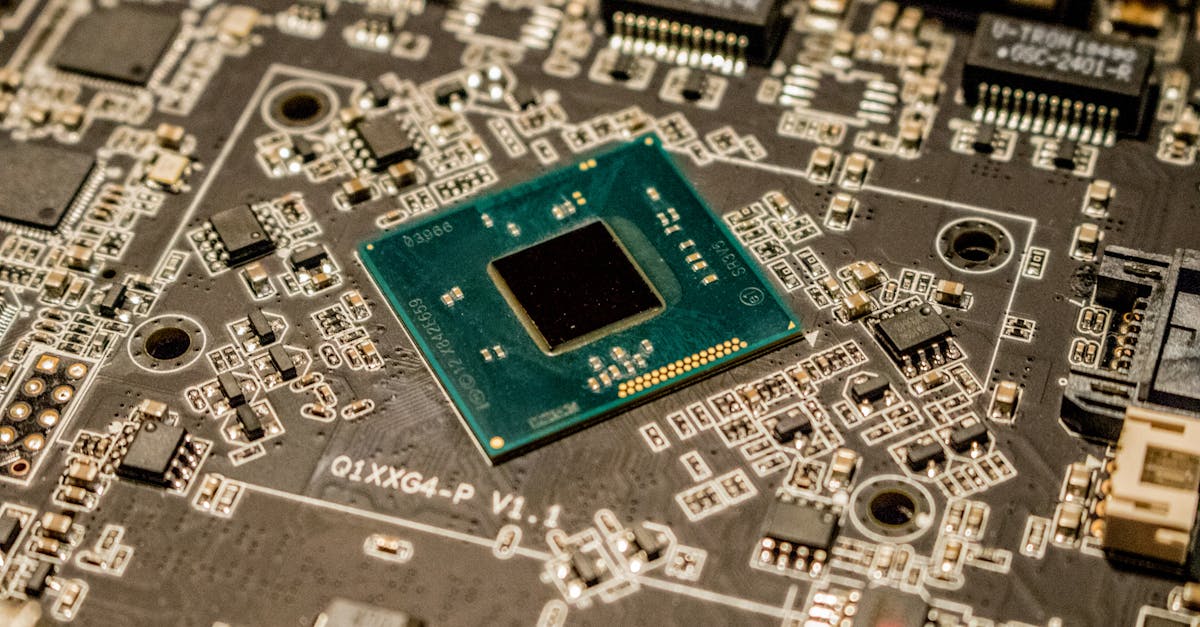
The bottom line is this: the era of "just-in-time" manufacturing is dead. We are moving to "just-in-case." That means prices are going to stay higher, but the supply chain will become more resilient.
The next 18 months are going to be rocky. We will see product launches delayed, and prices will fluctuate. But the adapters—the ones who pivot to the new reality—will thrive.
What are you seeing on your end? Are you still waiting on a specific part or product? I genuinely want to know if this matches your experience, or if the shelves are finally looking full again. Drop a comment below—let’s compare notes.



