
Did you know that in 2023, the average top-10% fantasy football manager analyzed over 500 unique data points before their draft? This isn't just about checking last year's touchdowns anymore. We’ve moved far beyond the era of hunches, gut feelings, and picking your favorite team’s running back. Welcome to the quantified gridiron, where your league isn't just won on Sunday—it’s won in the spreadsheets on Tuesday morning.
Let’s be honest, the casual fan is playing a completely different game than the data-obsessed manager. The gap between those who glance at projected points and those who build custom models is now a canyon. And in 2024, that revolution has accelerated. This isn't just about having data; it's about knowing which data whispers secrets and which data just shouts noise.
From Gut Calls to Gaussian Distributions: The New Draft Playbook
Remember when a "sleeper" was a guy your buddy heard had a good camp? Today, a sleeper is a player whose target share, route participation, and red-zone efficiency are all trending up, while his Average Draft Position (ADP) hasn't caught up. The draft is now a probabilistic exercise.
I’ve found that the most successful managers aren't just looking at a player's total yards. They're layering data: Usage over Volume: A running back with 15 carries for 60 yards is less valuable than one with 12 carries for 50 yards if the latter saw all three goal-line carries. Opportunity share and touch concentration are king. Predictive vs. Descriptive Stats: Last year's fantasy points are descriptive. What matters is what they predict. We now lean on metrics like Expected Points Added (EPA), Passer Rating vs. Blitz, or a receiver's Yards After Catch over Expectation (YACOE). These tell us how and why a player scored, not just that they did.
- The Injury Algorithm: It’s not just "is he questionable?" Sophisticated models now factor in a player's injury history, the specific muscle group, the team's recovery technology, and even the playing surface for their next game to assign a true risk score.
The Weekly Grind: In-Season Management as a Data Science Project
Your work isn’t done after the draft. In fact, that’s just loading the dataset. The 2024 season is about dynamic, real-time adjustment.
Waiver wire pickups are no longer about chasing last week's points. The savvy manager is using tools that scrape news, track practice reports via sentiment analysis, and monitor snap counts the instant a game goes to halftime. If a starting wideback tweaks a hamstring in the second quarter, the alert for his direct backup is on your phone before the drive is over.
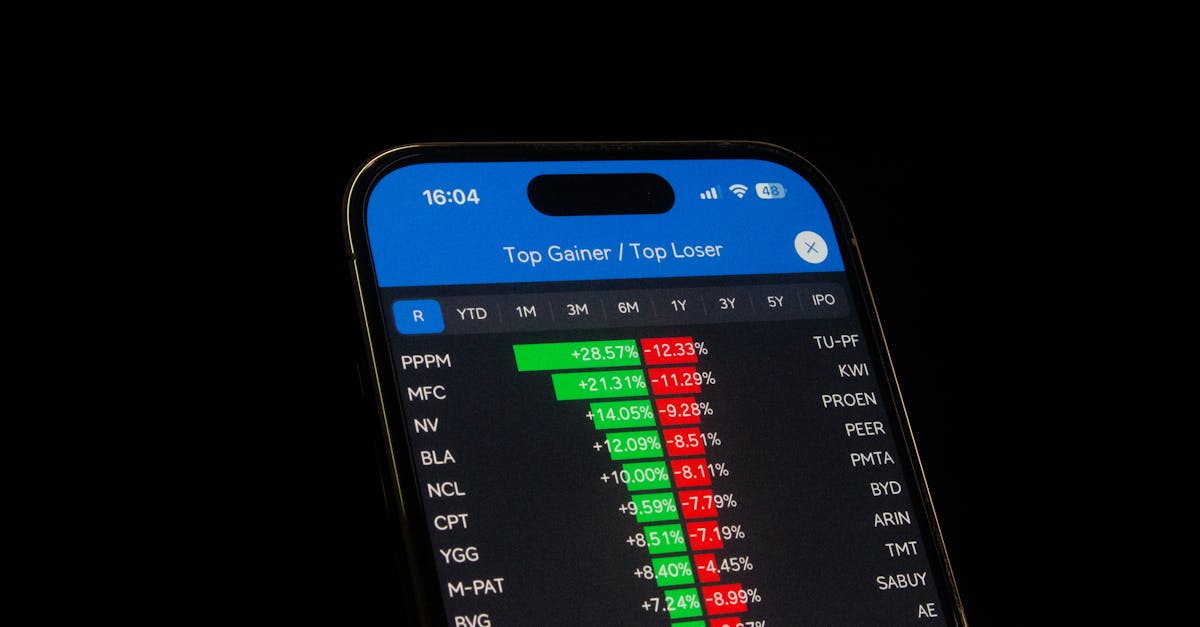
And then there's the trade market. I used to evaluate trades on a "seems fair" basis. Now, I run them through a trade value calculator powered by rest-of-season projections that update hourly. These tools don't just use expert rankings; they aggregate and weight data from dozens of sources, creating a consensus market value that’s colder and more accurate than any single opinion.
The Edge Hunters: Niche Metrics You're Probably Ignoring
Everyone looks at targets. The champions look at air yards. Everyone looks at carries. The champions look at juke rate and evaded tackles. The public data is a commodity. The real edge lives in the niche.
Think about this:
- Coverage Scheme Data: Is your star receiver facing a defense that plays zone 80% of the time? His route-running profile might make him a must-start. If he’s a press-coverage beater and they play man, even better.
- Offensive Line Metrics: A running back’s success is inextricably linked to his line’s run-block win rate. A quarterback’s time-to-throw stat is useless without knowing his pocket’s pass-block win rate. You’re not drafting a player; you’re drafting an ecosystem.
- Weather and Environmental Factors: This goes beyond "it's raining." Data models now incorporate wind speed, dome vs. open air, turf type, and even travel distance to adjust player projections. That kicker in a windy Chicago game? His projection isn't just lowered; his volatility is flagged as extreme.
The Human Element in the Machine Age
But here’s the crucial caveat: data is a tool, not an oracle. The biggest mistake I see in 2024 is analysis paralysis—managers who become slaves to the spreadsheet and forget the game is played by humans.
A model can tell you a 33-year-old running back has a 73% chance of regression. It can’t measure his leadership in the locker room or his offseason dedication to a new fitness regimen. Data said Tom Brady was done years ago. The context—the narrative, the coaching change, the player’s own drive—is the final, un-quantifiable layer.
Your job is to synthesize. Let the data narrow the field from 200 players to 20. Then, use your football knowledge, intuition, and awareness of the narrative to make the final call from those 20 to your starting 9.

The Future is Personalized: Are You Ready?
We’re on the cusp of the next shift: personalized AI fantasy coaches. Imagine a system that knows your exact league scoring, your roster construction, your opponents’ tendencies, and ingests every piece of news to give you tailored advice. It’s coming.
The question for you in 2024 isn't whether to use data. You already are. The question is: How deep does your rabbit hole go? Will you be the manager reacting to last week's stats, or the one anticipating next week’s breakout based on a route tree change you read about in a Wednesday practice report?
The teams hoisting fantasy trophies this winter won't be the ones who worked the hardest. They'll be the ones who worked the smartest, letting a river of data guide their decisions, while never being afraid to swim against the current when their gut—informed by that very data—tells them to.
So, open a new tab. Look beyond the basic projections. Find one new metric this week and understand what it’s truly telling you. The revolution isn't just happening to the game. It's an invitation to change how you play it.


