
Let me tell you something about the summer of 2024 that should terrify anyone who loves to travel. I watched a grown man in Sintra, Portugal, wait forty-five minutes for a pastel de nata he didn't even want — he just wanted to say he'd eaten one there. Meanwhile, three streets over, a bakery with equally good pastries sat completely empty. That's overtourism in a nutshell: the crowd doesn't want the experience, it wants the receipt.
And it's getting worse. Venice now charges day-trippers an entry fee. Amsterdam has literally told tourists to stay away. Mount Fuji installed a gate to limit climbers. The 2025 traveler's guide to overtourism isn't about avoiding crowds — it's about understanding that the crowd is the product now, and opting out of the product is the last real luxury.
Here's what most people miss: the antidote to overtourism isn't traveling less. It's traveling sideways. Go to the country everyone's visiting, just not the city. Go in the shoulder season nobody respects. Go thirty minutes past the Instagram pin. I've found that the best travel decisions of my life came from subtracting one thing from the itinerary, not adding ten.
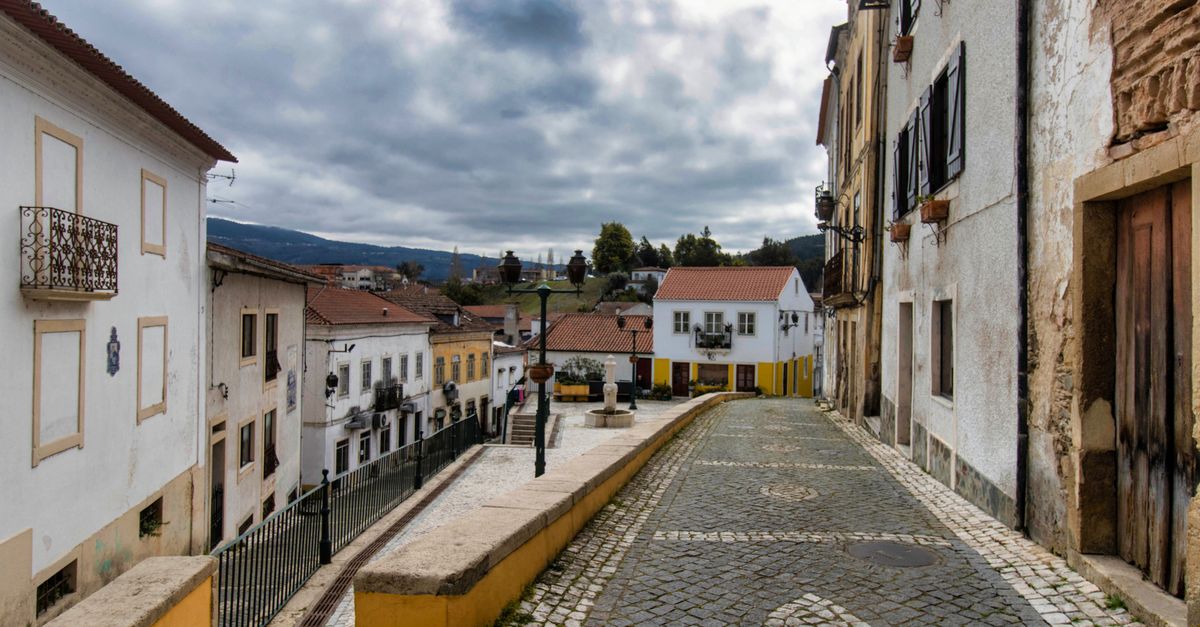
The Overtourism Math Nobody Wants to Do
Let's be honest about the numbers. Global tourism hit roughly 1.4 billion international arrivals before the pandemic, and by 2024 it had clawed almost all of that back. Cities like Barcelona and Kyoto aren't suffering from a tourism problem — they're suffering from a concentration problem. Ninety percent of visitors funnel into ten percent of the geography. The Eiffel Tower doesn't have a crowd problem. The Marais does. The Algarve coast is drowning while Portugal's interior sits politely empty.
The 2025 traveler's guide to overtourism has to start with this reframe: you are not a victim of the crowds. You are a participant in them. Every time you book the same Airbnb in the same trending neighborhood, you vote for the problem. Every time you pick the second city, the third village, the off-season Tuesday — you vote for something better. It's not martyrdom. It's genuinely a better trip. Quieter, cheaper, and you actually talk to locals instead of other tourists wearing the same Patagonia vest.
So here's my working list. Twelve underrated destinations to visit before everyone else does — ranked roughly by how long I think you have before the algorithm finds them.
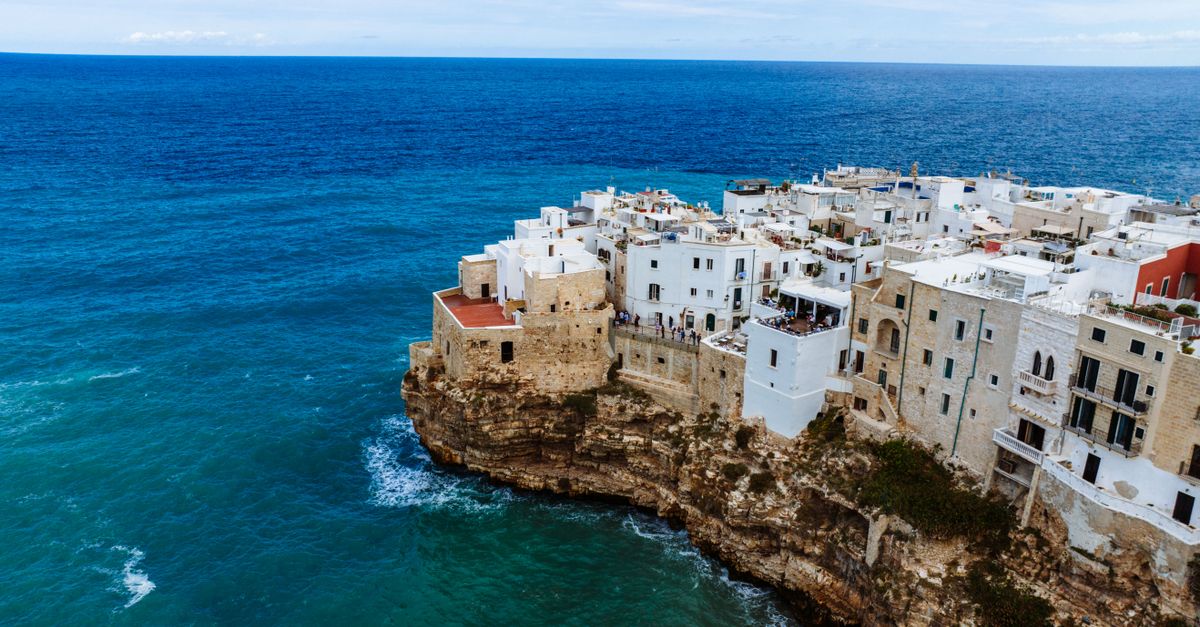
The Twelve (Book These Before Your Favorite Influencer Does)
1. Kotor's Hinterland, Montenegro. Everyone photographs Kotor Bay from the fortress. Almost nobody drives forty minutes inland to Njeguši, where they cure prosciutto in mountain air and serve it with cheese that tastes like it was made by someone's grandmother. It was. You're welcome.
2. Gjirokastër, Albania. Albania is the new Croatia, which means it's about eighteen months from being the new Greece. Gjirokastër's stone Ottoman houses and total lack of cruise ships make it the anti-Santorini. Go now.
3. The Carpathians, Romania. Brașov gets the crowds. The villages of Transylvania's interior — Viscri, Crit, Saschiz — get shepherds, fortified churches, and silence you can hear. Prince Charles has been quietly buying here for years. Follow the quiet rich, not the loud ones.
4. Nagasaki, Japan. Kyoto is a theme park now. Nagasaki has the food, the history, the hills, and about a tenth of the selfie sticks. It's the most underrated city in Japan and I will die on this hill — a quiet one with a view.
5. The Rif Mountains, Morocco. Marrakech is a contact sport. Chefchaouen is beautiful but discovered. The Rif interior — Akchour, Talassemtane — is where Moroccans actually go hiking, and where you'll pay hotel prices that feel like a typo.
6. Kars, Turkey. Istanbul is Istanbul. Cappadocia is a balloon selfie factory. Kars, in the far east, has Ani — a ghost city of ruined churches on the Armenian border that looks like the set of a fantasy epic and gets maybe a hundred visitors a day.
7. Svaneti, Georgia. Georgia is having a moment. Tbilisi knows it. Svaneti — with its medieval stone towers and Caucasus peaks — is where the moment hasn't fully arrived. Landslides and lack of infrastructure keep it honest. That's the trade.
8. The Faroe Islands' Outliers. The main islands are already on every "hidden gem" list, which is the joke of the century. Sandoy, Suðuroy, and the smaller northern isles remain genuinely empty, windy, and transcendent.
9. Aysén, Chile. Patagonia means Torres del Paine, which means a waitlist for a campsite. Aysén, just north, is Patagonia without the queue — marble caves, glacier-fed rivers, and roads where you'll drive an hour without seeing another car.
10. Timor-Leste. One of the least-visited countries on Earth. Reefs that rival anything in Indonesia, mountains that rival anything in Bali, and a tourism board that barely exists. Go before it does.
11. The Kazakh Altai. My home region gets overlooked constantly. The Altai Mountains in eastern Kazakhstan have the scenery of Switzerland with the crowds of... well, Kazakhstan's Altai. Which is to say none.
12. The Peloponnese's Inner Villages, Greece. Everyone does the islands. The Peloponnese's mountain villages — Dimitsana, Stemnitsa — have stone guesthouses, Byzantine monasteries, and tavernas where the menu is whatever the owner's wife cooked that morning.
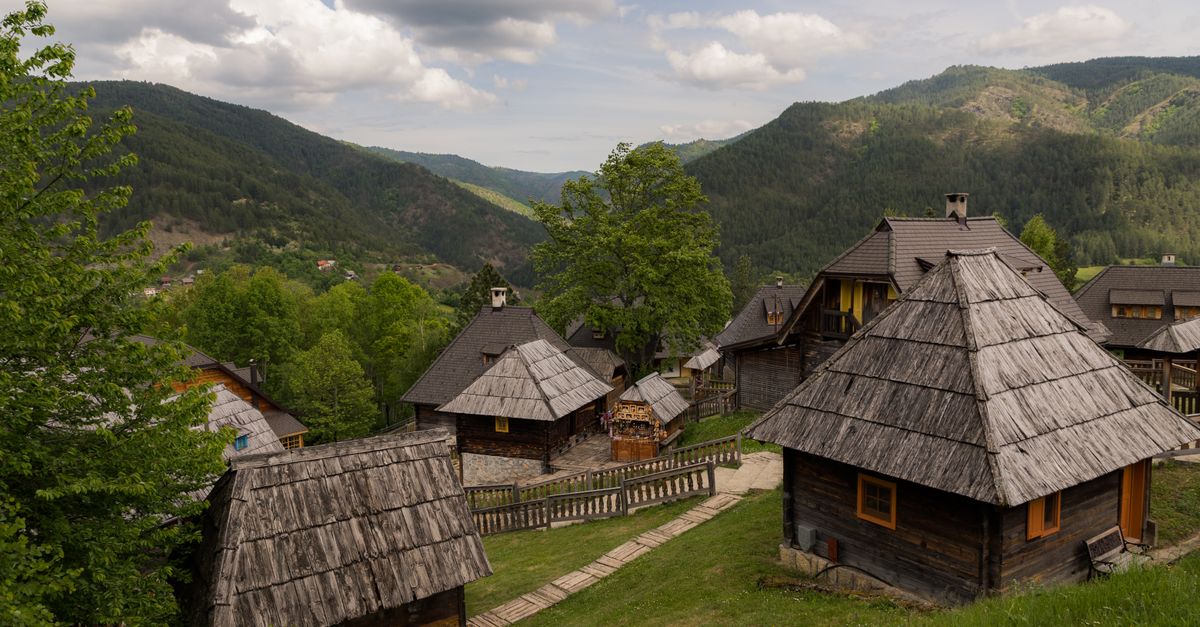
The Rule That Actually Matters
Here's the thing about all twelve of these: they share a trait that's easy to copy. They're one degree off the tourist axis. Not remote. Not dangerous. Not difficult to reach. Just one turn past where the crowd stops.
That's the entire 2025 traveler's guide to overtourism in one sentence. You don't need a private jet or a National Geographic crew. You need to be willing to spend an extra ninety minutes on a bus, or skip the famous viewpoint for the one with no name on Google Maps, or eat dinner at 6 p.m. because that's when locals eat.
The travelers who ruin places aren't malicious. They're just following the map everyone else follows. The travelers who save places are the ones who fold the map a little differently.
So here's my challenge to you: pick one city you were planning to visit in 2025 and replace it with its second cousin. Then send me a postcard from the empty bakery. I'll be the guy at the next table, eating a pastry nobody's Instagrammed yet.


