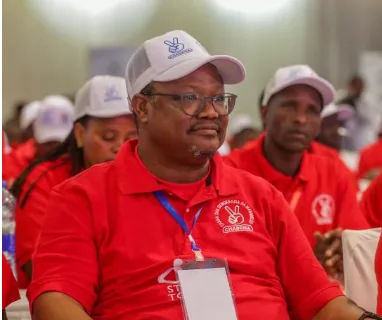
Tanzania's leading opposition figure, Tundu Lissu, was acquitted of treason on Friday but convicted of incitement by a three-judge panel at the High Court in Dar es Salaam, according to The Star, Kenya.
The judges ruled that prosecutors had not established a key element of the treason charge. The incitement conviction stems from statements Lissu made while campaigning for changes to the electoral system before the 2025 general election.
Lissu, 58, who chairs the opposition Chadema party, has been held in custody since April last year. He has denied wrongdoing throughout and has characterized the case against him as politically driven.
Why it matters
The verdict closes one chapter of a prosecution that drew scrutiny from rights organizations and foreign observers, who have raised alarms about the treatment of opposition figures and the room available for political dissent in Tanzania.
Treason is one of the most severe offences under Tanzanian law and can be punished by death, so the acquittal on that count spares Lissu the gravest possible outcome. The incitement conviction, however, keeps him exposed to sentencing, which the court had not yet announced as of Friday's reporting.
The case also lands against the backdrop of the disputed October 2025 election, in which President Samia Suluhu Hassan was declared the winner with 98 percent of the vote. The opposition rejected that result as a travesty of democracy, noting that Lissu and another main challenger had been excluded from the race, The Star, Kenya reports.
A charge Lissu says he never faced
When the judges gave Lissu an opportunity to address the court, he said the incitement offence was something the panel had invented and suggested it had been fashioned at the behest of political actors. He added that he intended to seek bail, which he said was available for incitement but not for treason.
Lissu, a lawyer who represented himself at trial, said this was the first time he had learned of the incitement allegation, having prepared his defence against treason alone.
Prosecutors had alleged that his remarks, which also spread online, were meant to stir the public into disrupting the election and to threaten the government. Lissu countered that his statements belonged to a lawful push for constitutional and electoral reform and that they had been quoted out of context.
He was arrested six months before the vote, shortly after launching a campaign under the banner "No Reforms, No Election" that called for changes to how the country runs its elections.
Detention, unrest and a contested mandate
During his time in remand at Ukonga Prison in Dar es Salaam, Lissu twice went on brief hunger strikes, saying he had been denied access to his lawyers and relatives. He also complained that prison guards had listened in on consultations that should have been confidential.
The period after the election saw broad protests and a violent security response. An official inquiry put the death toll at no fewer than 500 people, while opposition groups have argued the true figure is far higher and have pressed for an independent investigation.
The government has rejected allegations of sweeping political repression and defended its handling of the unrest. President Samia, 66, has maintained that the election was free and fair, has blamed foreign actors for the violence, describing it as part of a scheme to unseat her, and has established a separate commission to identify those responsible.
Lissu's history with the ruling Chama Cha Mapinduzi party, which has held power along with its predecessor since independence, stretches back years. He entered parliament in 2010 as the member for a constituency near his birthplace in Singida, roughly 320 kilometres north-west of Dodoma.
In September 2017, gunmen fired on his vehicle outside his home in Dodoma in an attack he survived narrowly; no one has ever been brought to justice for it. He then spent years abroad, returning to run against the late President John Magufuli in the 2020 election, which he lost amid opposition claims of widespread irregularities. He went back into exile before returning in 2023 after President Samia lifted a ban on opposition rallies, a move initially read as a sign of greater political openness after the restrictive Magufuli years.
What to watch
The judges were still delivering their ruling on Friday, with their legal reasoning and Lissu's sentence on the incitement count yet to be made public. His request for bail and the length of any penalty will be the next signals of how far the court is willing to go.