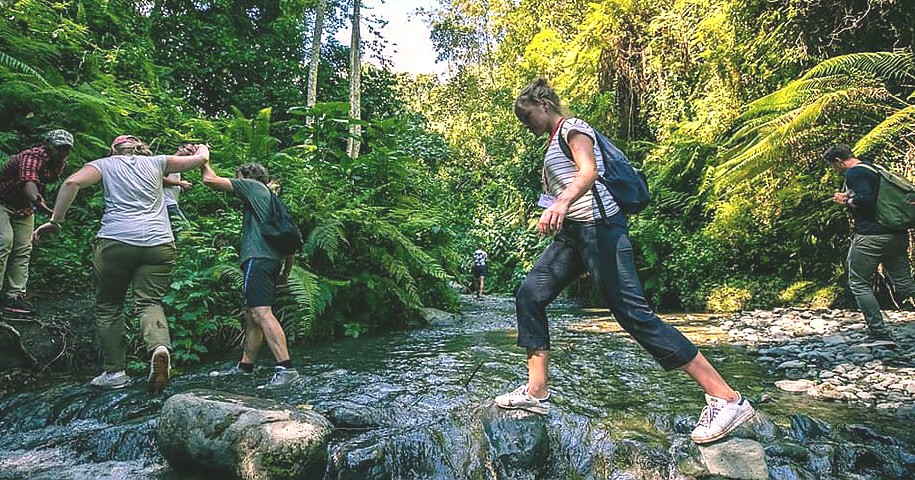
Tanzania's forest reserves now draw more than 390,000 visitors a year, up from fewer than 200 in 2015, according to the Tanzania Forest Services (TFS). The agency credits part of that rise to projects backed by the Global Environment Facility (GEF), Daily News reports.
The figures were presented in Dar es Salaam during a national dialogue on GEF-9, the ninth replenishment cycle of the multilateral funding mechanism. Yusuf Tango, a conservation officer at TFS, spoke at the event about how the funding has shaped the sector.
"When we started in 2015, the number of tourists visiting forest reserves was fewer than 200 per year," Tango said, according to Daily News. He noted that Tanzania is better known for wildlife tourism, describing forest tourism at that time as a new idea for the country.
Why it matters
The shift matters for two reasons. First, it widens what Tanzania can offer visitors, adding forest destinations to a tourism economy long built around wildlife safaris. Second, it ties revenue and visitor interest to conservation, giving forest resources a measurable economic role.
Tango said the growth reflects efforts to broaden the country's tourism attractions beyond wildlife and to strengthen the economic value of forest resources while supporting conservation, Daily News reports.
Tanzania's forests also carry importance for biodiversity and broader environmental health, which is the context in which the GEF funding sits. The national dialogue itself brought stakeholders together to review funding opportunities, draw lessons from earlier projects and settle on priority areas and project concepts for the country.
How GEF support changed the reserves
According to Tango, GEF-funded projects helped improve the status and management of selected forests and opened the door to tourism activities in natural forest reserves. He explained that the projects supported upgrading the status of certain forests to natural forest reserves, which made it possible to develop tourism alongside conservation work.
That administrative change is central to the story. A forest designated as a natural forest reserve can host tourism activity under a conservation framework, rather than being limited to protection alone. Tango framed the outcome as a way for Tanzania to attract more visitors while promoting sustainable management and protection of forests.
The relationship between TFS and the GEF is not new. Tango said the agency has received GEF support since 2007, across successive funding cycles including GEF-4, GEF-5 and GEF-6. With GEF-9 under discussion, TFS is examining opportunities to keep strengthening conservation and to expand work in forest and bee reserves.
Tango described TFS's mandate as ensuring the sustainable management and conservation of forest and bee resources. He said additional support could help the institution advance that work while developing tourism and other activities that fit with conservation goals.
He also said TFS wants to work with stakeholders to identify project proposals that match Tanzania's environmental priorities and align with GEF funding objectives.
A funding cycle under discussion
The GEF-9 national dialogue serves as a forum for stakeholders to discuss funding opportunities, learn from previous projects and agree on priority areas and project concepts for Tanzania. The conversations take place as countries seek financing to tackle environmental challenges that include biodiversity loss, climate change, land degradation and pollution.
For TFS, the stakes are practical. Tango said further access to GEF funding could allow the agency to build on earlier projects, improve forest conservation and raise the contribution that forest and bee resources make to Tanzania's development.
The visitor numbers cited by TFS cover forest reserves specifically, a category distinct from the wildlife parks that dominate Tanzania's international tourism image. Daily News reports that the growth in forest visits points to efforts to diversify the country's tourism attractions and to strengthen the economic value of forest resources while supporting conservation.
What happens next depends on the GEF-9 process. TFS says it is looking for opportunities under the cycle and wants to help shape project proposals that respond to Tanzania's environmental priorities.


