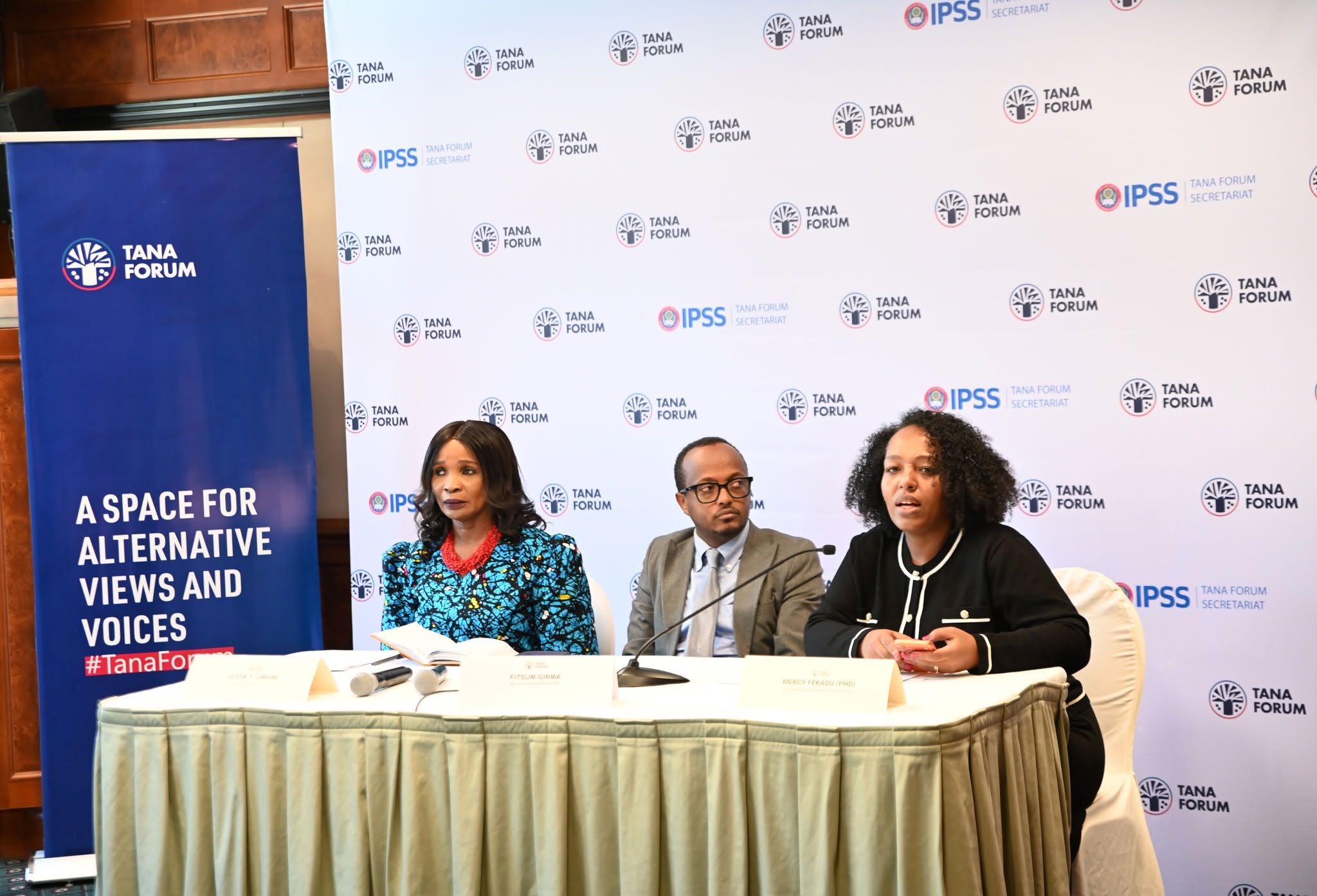
The 12th Tana High-Level Forum on Security in Africa will be held in Bahir Dar, on the shores of Lake Tana, from October 23 to 25, organizers announced, according to ENA English. This year's edition carries the theme "Pathways to Peace in Africa: Economic Sovereignty and Geopolitical Transformation."
Organizers say the gathering has built a record of diplomatic value by giving African leaders and policymakers an open setting for candid discussion of the continent's peace and security problems. The announcement was made at a press briefing in Addis Ababa on October 8, 2026.
Why it matters
The Forum's organizers argue its worth lies partly in what does not appear in communiqués. Fitsum Girma, Deputy Director General at Ethiopia's Ministry of Foreign Affairs, told journalists that the meeting has produced many intangible results by opening chances for leaders to hold bilateral talks alongside the formal agenda.
According to Fitsum, the Forum offers an informal environment in which heads of state and other senior officials can speak plainly, compare views and weigh policy choices on urgent regional security questions. That framing places the Tana Forum in a category distinct from summits bound by fixed protocols and prepared statements.
Fitsum also said Ethiopia has taken an active part in the Forum as part of its diplomatic work and its push to advance dialogue on peace and security across Africa. His remarks position the host country as a continuing backer of the platform rather than a one-time venue.
The timing gives the meeting added weight. African states are dealing with security, economic and geopolitical pressures that increasingly overlap, and this year's agenda puts economic sovereignty and geopolitical transformation at the center of the conversation. The 12th edition thus arrives as the issues on the table are less separable than they once were.
Who will attend and what is planned
The upcoming Forum is expected to draw leaders from a range of countries, along with heads of regional and international institutions, former leaders and senior policymakers. Organizers said particular attention will go to discussions among special envoys for the Horn of Africa and to bilateral engagements between leaders.
Lettie T. Longwe, who heads the Tana Forum Secretariat and directs the Africa Peace and Security Programme, said the meeting will concentrate on peace and security challenges in East Africa while also leaving room for bilateral talks among the leaders present.
Longwe said a consultation bringing together Pan-African scholars will be held in partnership with Bahir Dar University. She added that more than 250 participants are expected at the Forum.
Mercy Fekadu, Director of the Institute for Peace and Security Studies at Addis Ababa University, said the Forum will take up pressing African security matters through both formal sessions and informal exchanges. She described the meeting as creating an open space where leaders can hold in-depth dialogue on security issues in the region, going beyond the formal platform.
A platform built outside conventional diplomacy
The Tana Forum was set up as a yearly venue for African-led discussion of peace, security and development. Over its editions, organizers say, it has carved out a role as a place where decision-makers, experts and other stakeholders can engage in ways that standard diplomatic settings do not allow.
That design is deliberate. By combining scheduled deliberations with unstructured time for leaders to meet, the Forum aims to let participants raise subjects that might be difficult to table in more formal arenas. Fitsum's description of intangible outcomes reflects that logic: the value is measured not only in declarations but in contacts made and perspectives exchanged.
The presence of former leaders and senior policymakers alongside serving heads of state adds another layer, giving current officeholders access to experience from previous administrations. The inclusion of regional and international institution heads means conversations can touch on how continental and global bodies fit into African-led approaches.
For the Horn of Africa in particular, the focus on special envoys suggests organizers see regional mediation and coordination as a live concern. Bringing those envoys together in one place, even informally, is presented as part of the Forum's purpose.
What to watch
The 12th edition will be watched for how its formal sessions on economic sovereignty and geopolitical transformation connect to the informal talks organizers emphasize. The scholar consultation with Bahir Dar University may also indicate how the Forum intends to feed academic work into policy discussion. With more than 250 participants expected, the meeting's outcomes will likely be judged less by a single closing document than by the bilateral engagements it enables on the sidelines.



