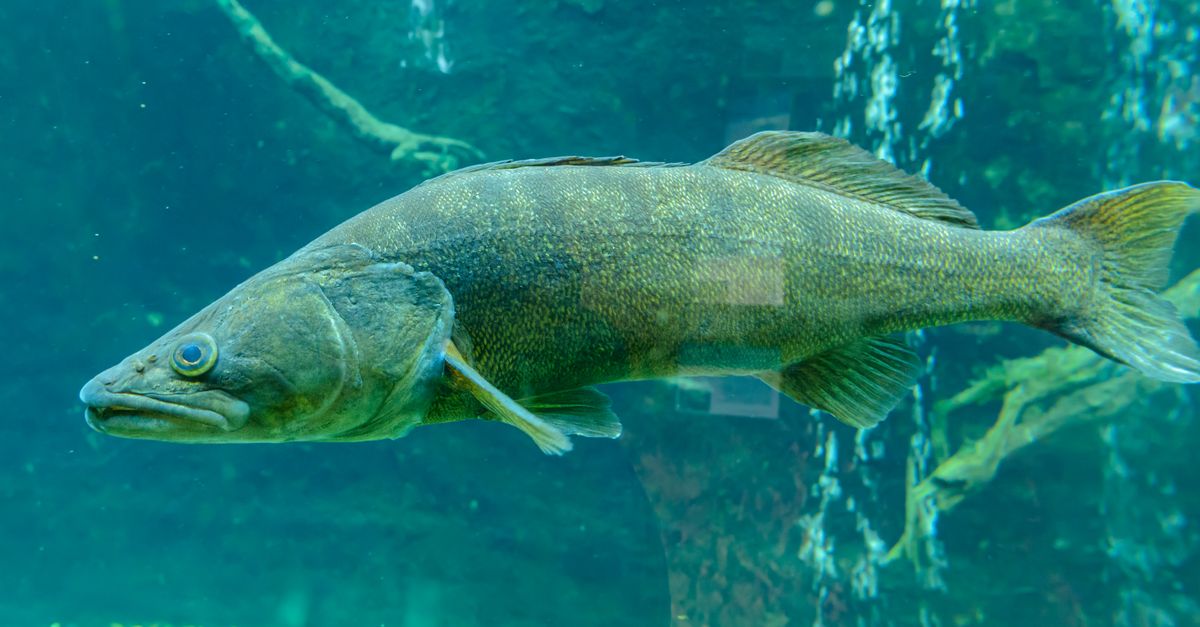
Researchers have published a study examining how juvenile walleye raised in a recirculating aquaculture system (RAS) fared after being released into Belvidere Dam in South Dakota, USA. The findings, reported by SCIRP Open Access on August 18, 2026, focus on post-release survival and growth rates.
The study tracked the fish after they transitioned from a controlled, land-based rearing environment to the natural conditions of the dam. According to SCIRP Open Access, the research specifically measured how well the hatchery-raised walleye adapted and developed once introduced into the reservoir.
Recirculating aquaculture systems are used to rear fish in a closed environment where water is continuously filtered and reused. This method allows for controlled growth conditions but raises questions about how such fish perform when stocked into wild waterways. The Belvidere Dam study provides data on whether RAS-reared juvenile walleye can successfully establish themselves in an outdoor setting.

The results, as summarized by the publisher, offer insights into the viability of using RAS-produced fish for stocking programs. This matters for fisheries managers who need to know if these fish can survive and grow at rates comparable to traditionally hatched stock.
The full study is available through SCIRP Open Access, though the article text was not included in the announcement. Researchers and fisheries professionals will likely look for more details on survival percentages and growth measurements in the complete paper. Future work may also compare these outcomes against walleye raised in conventional hatchery systems.



