
A new report from The Conversation highlights research findings that microplastics have been discovered in salt used for everyday consumption. The publication detailed the study's results, which point to the presence of these tiny plastic particles in a common household staple.
According to The Conversation, the research focused on salt that is regularly eaten by people, raising questions about the extent of plastic contamination in food products. The findings add to a growing body of evidence that microplastics are widespread in the environment and can enter the human food chain through various routes.
The report, published on August 26, 2026, did not specify the geographic scope of the salt samples tested or the concentration of microplastics found. However, the mere presence of these particles in salt underscores the pervasive nature of plastic pollution. Microplastics, which are fragments smaller than five millimeters, have previously been found in water, seafood, and other food items, according to past scientific studies.
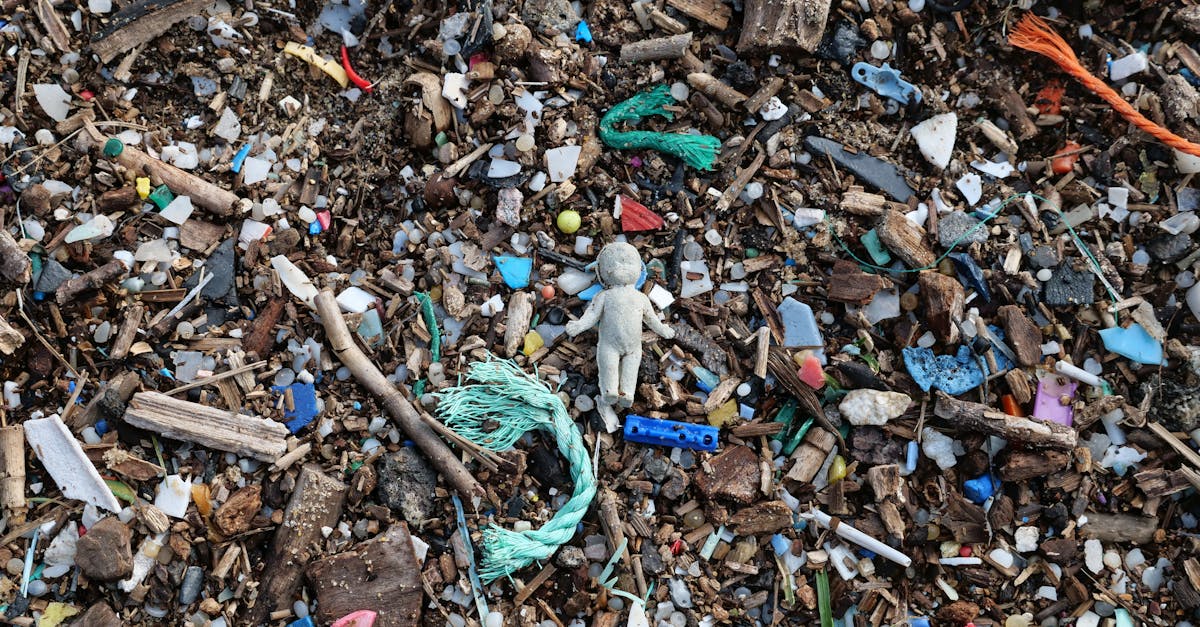
The Conversation, an academic news outlet, presented this research to inform the public about potential contaminants in everyday products. The findings suggest that salt, a basic ingredient used worldwide, is not immune to environmental pollution. This development may prompt consumers to consider the broader implications of plastic waste and its journey back into the food supply.
As awareness of microplastic contamination grows, scientists are likely to continue investigating the health impacts of ingesting these particles. Future research may focus on determining safe levels of exposure and identifying sources of contamination in salt production. For now, the study serves as a reminder of the far-reaching consequences of plastic use.



