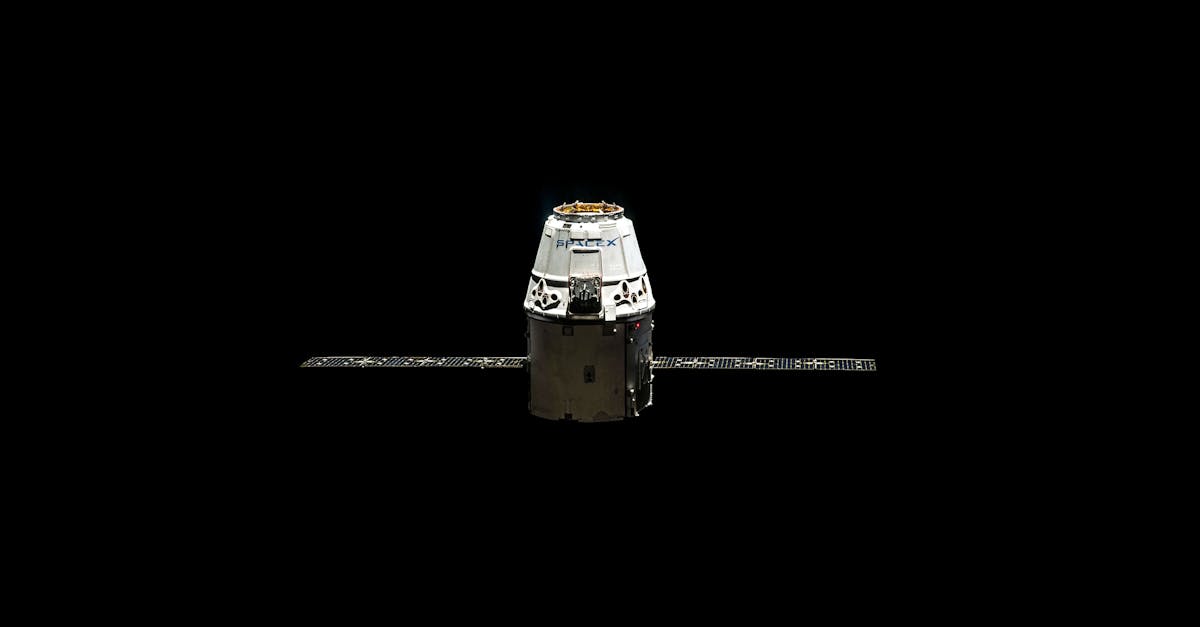
A SpaceX rocket has crashed into the Moon, according to multiple reports. The impact, confirmed by scientists, adds to the growing problem of human-made junk on the lunar surface, which now totals more than 209 tons, as reported by Forbes.
The exact timing of the crash was not detailed in the reports, but the event has drawn attention from space agencies and researchers. NASA has said it will attempt to observe the impact site, according to the agency’s own statement. CNN also noted that a new crater is likely to have formed as a result of the collision.
Scientists have expressed high confidence in the crash, with Global News quoting researchers as having “100% confidence” that the rocket part hit the Moon. The BBC has raised the question of what researchers might learn from the stray rocket’s impact, suggesting the event could offer scientific value despite being unintentional.
The debris in question is part of a broader issue: discarded rocket stages and other hardware have been accumulating on the Moon for decades. The 209-ton figure cited by Forbes reflects the total mass of lunar junk, which includes spent spacecraft, crashed probes, and other remnants of exploration.

NASA’s planned observation of the impact site could help scientists study the Moon’s surface and how it responds to such collisions. The agency’s effort to monitor the aftermath is one of the few positive outcomes from an otherwise uncontrolled event.
What to watch next: whether NASA’s observations yield new data on lunar geology, and how space agencies respond to calls for better tracking of deep-space debris.



