I remember the exact moment it hit me. I was sitting alone at a tiny café in Lisbon, nursing a pastel de nata and watching the sunset paint the tile-covered buildings gold. A woman at the next table, probably in her late sixties, was flipping through a worn map. She caught my eye, smiled, and said in broken English, "First time alone?" I nodded. She laughed. "You'll never go back."
She was right. Solo travel changes you. But let’s be real — the first time you step off a plane in a new city with only a backpack and a phone battery at 15%, your brain starts screaming questions. Is this street safe? Should I have told someone my hostel address? Why did I think eating that street taco at midnight was a good idea?
I’ve been doing this long enough to know: solo travel safety isn’t about being paranoid. It’s about being prepared. And for women exploring new cities alone, the rules are a little different. Let’s cut the fluff and get into what actually works.

The "I’m Not Lost, I’m Just Exploring" Mindset
Here’s the truth most travel blogs won’t tell you: confidence screams "hands off". Predators are not looking for women who walk like they own the block. They’re looking for someone who looks confused, distracted, or uncomfortable.
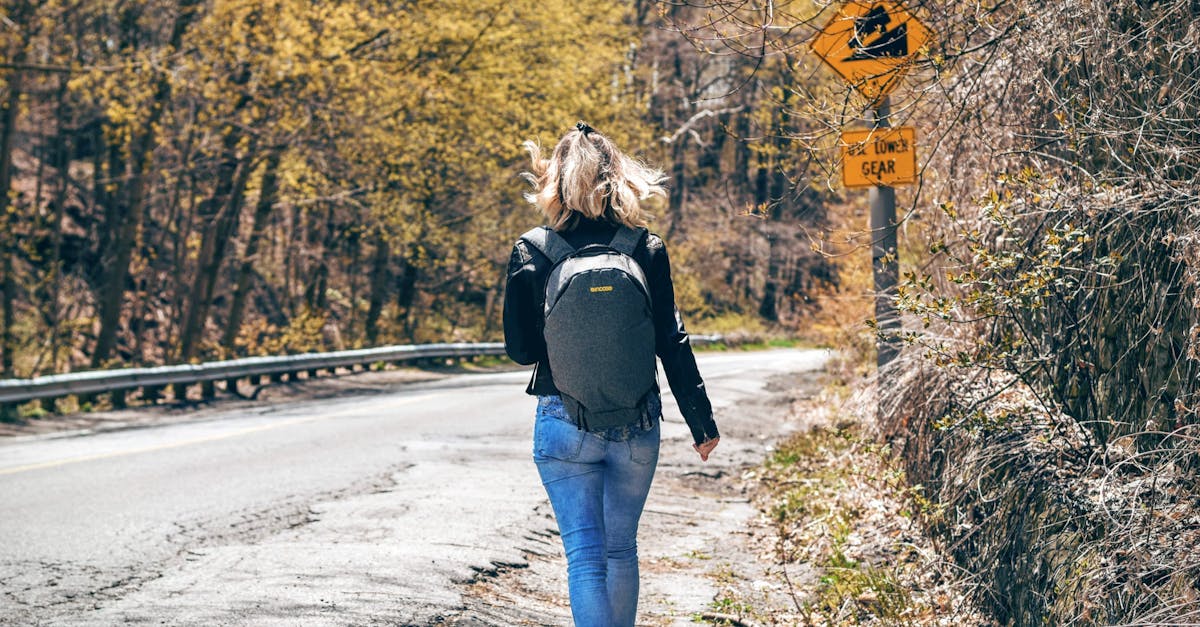
I’ve found that the moment I stop to stare at my phone for directions longer than ten seconds, I become a target. So here’s my dirty secret — I pre-load my route before I leave the hotel. I pull up Google Maps, screenshot the turn-by-turn, and then shove my phone in my pocket. When I need to check, I duck into a café or a shop doorway. Never check your phone in the middle of a sidewalk.
Another trick? Walk like you have a dinner reservation you’re late for. Even if you’re just wandering. Shoulders back, head up, purposeful stride. I’ve walked through neighborhoods in Marrakech and Mexico City that people warned me about, and I never had a single issue — because I looked like I belonged there.
Your Hotel Room Is a Fortress (If You Let It Be)
Let’s talk about the place you sleep. Most people miss the basics here. You book a room, throw your bag on the bed, and assume you’re safe. Wrong.
Here’s what I do every single time I check in:
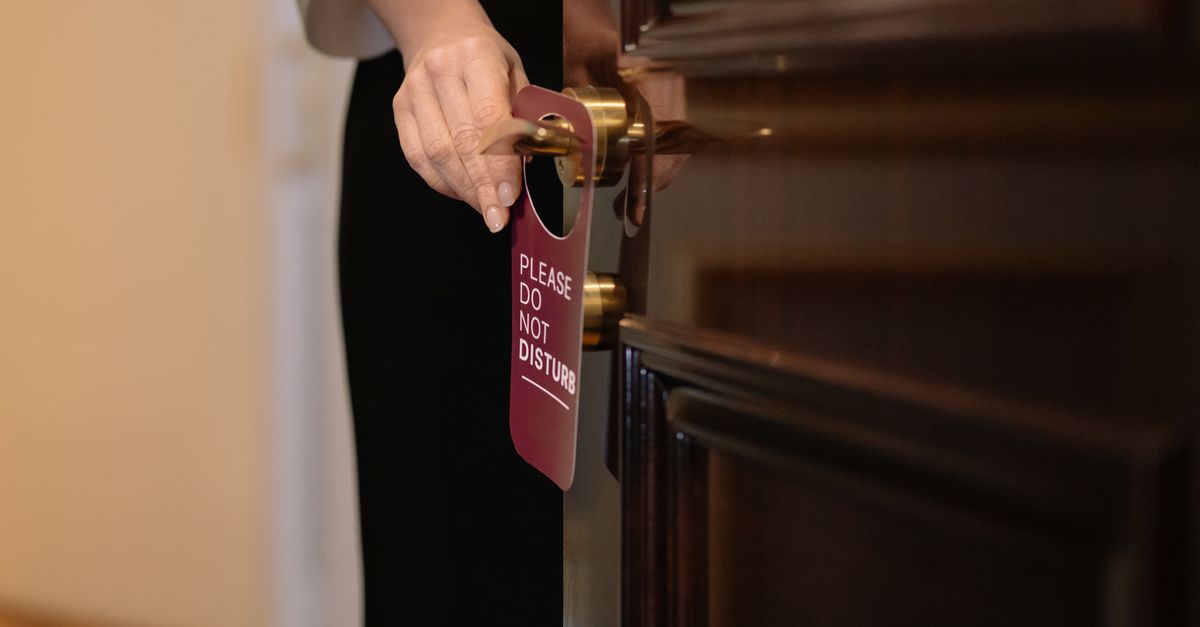
- Check the locks immediately. Door lock, deadbolt, chain, window lock. If it’s broken, ask for a new room. No exceptions.
- Slide a doorstop under the door. I travel with a small, rubber doorstop. It costs $3. It fits in my toiletry bag. If someone tries to force the door open, it won’t budge. This single item has saved me more anxiety than any app.
- Cover the peephole. I use a piece of tape or a sticky note. People can reverse-peephole cameras now. Don’t risk it.
- Identify the fire escape. I walk the route the first night. In the dark. Because panic doesn’t read maps.
The "Digital Shadow" Strategy
Your phone is your best friend and your worst enemy. Oversharing on social media is the fastest way to tell the world your hotel room is empty. I’ve seen women post "Just landed in Bangkok!" with a live location tag. That’s like putting a "rob me" sign on your front door.
Here’s my rule: Post photos after you leave the city. I take pictures, save them in a folder, and upload them when I’m already on the plane to the next destination. No one needs to know where you are right now.
But you do need someone to know where you are. I use a shared Google Doc with my mom and best friend. Every morning, I drop a line: "Staying at [hotel name], planning to visit [neighborhoods], will check in by 9 PM local time." If I don’t, they know to call. I also share my live location via WhatsApp or Find My iPhone for the duration of the trip.
Bonus tip: Download offline maps and translate apps before you leave. I’ve been in cities where I had zero cell service, and offline maps saved me from wandering into sketchy alleys. Google Maps lets you download entire regions. Do it now.
The "Trust Your Gut" Rule (And Why It’s Science)
I spent years ignoring my intuition because I didn’t want to be rude. A guy in Rome offered to show me a "secret viewpoint". I said yes because he seemed friendly. Halfway up a narrow staircase, my stomach turned. I turned around and walked out. Later, I found out that staircase was a known spot for muggings.
Your gut is not a feeling. It’s your brain processing thousands of micro-signals your conscious mind misses. That guy who’s standing too close? The cab driver who takes a wrong turn? The barista who watches you walk out? Listen to that voice.
Here’s a practical way to use it: The "Three Second Rule". If someone approaches you and something feels off, don’t engage. Don’t apologize. Don’t explain. Just walk away. You don’t owe anyone your time or politeness. I’ve walked away from conversations mid-sentence, and I’ve never regretted it.
The "Fake It Till You Make It" Phone Call
This is my favorite trick. When I’m walking alone at night, especially in a quiet street, I pull out my phone and pretend to talk to someone. "Yeah, I’m almost at the restaurant! See you in five minutes!" I say it loud enough for anyone nearby to hear. The message is clear: I’m expected somewhere. Someone is waiting for me.
I also keep a fake ringtone saved on my phone. If I’m feeling unsafe, I press play, step aside, and "answer" the call. Then I say, "Oh, you’re already here? I’ll meet you at the corner." Then I walk briskly toward a crowded area.
It sounds silly. But it works. I’ve used it in Paris, Istanbul, and even in my own neighborhood back home.

The One Thing You Should Never Leave Without
You’ve got the doorstop, the offline maps, the fake phone calls. But here’s the one item I consider non-negotiable: a portable power bank. I’m serious. A dead phone in a foreign city is like being blindfolded and dropped in the middle of a desert.
I carry a 20,000mAh power bank that can charge my phone three times. I charge it every night. If I’m out all day, I can still call a cab, check maps, and send my location. Your phone is your lifeline. Keep it alive.
I also carry a small, bright LED flashlight. Not your phone light — a real flashlight. It blinds anyone who gets too close, and it helps you see dark stairwells and alleys. It’s also great for reading menus in dimly lit restaurants.
The Bottom Line (No, Not "In Conclusion")
Look, I’m not going to tell you that solo travel is risk-free. It’s not. But neither is crossing the street. The key is not to avoid the risk — it’s to manage it. You don’t have to stay home. You don’t have to travel in packs. You just have to be smarter than the person who’s looking for an easy target.
Every city I’ve explored alone — from the neon chaos of Tokyo to the quiet cobblestones of Prague — has given me something I didn’t have before. Confidence. Stories. A deeper understanding of myself. And yeah, a few moments of pure terror that turned into hilarious memories.
So book the flight. Pack the doorstop. Trust your gut. And remember: you are not a victim waiting to happen. You are a woman who knows exactly what she’s doing.
Now go explore. The world is waiting, and it’s safer than you think — as long as you’re ready.


