
Picture this: You’re standing at a bustling night market in Taipei, the air thick with the scent of stinky tofu and sizzling pork buns. Your phone battery is at 3%. You just realized you have no idea how to say "help" in Mandarin, and the map you downloaded is refusing to load. That giddy sense of freedom you felt an hour ago? It’s starting to curdle into a low-grade panic. Been there? I have.
Let’s be honest, that thin line between an epic adventure and a stressful misadventure often comes down to preparation. And no, I’m not talking about packing the right socks. I’m talking about the digital toolkit you carry in your pocket. Solo travel safety isn’t about living in fear; it’s about stacking the deck so confidently in your favor that you can truly lose yourself in the moment. Here’s the inside scoop on the apps and strategies that have saved my skin more than once.
Your Phone Is Your Lifeline: The Non-Negotiables
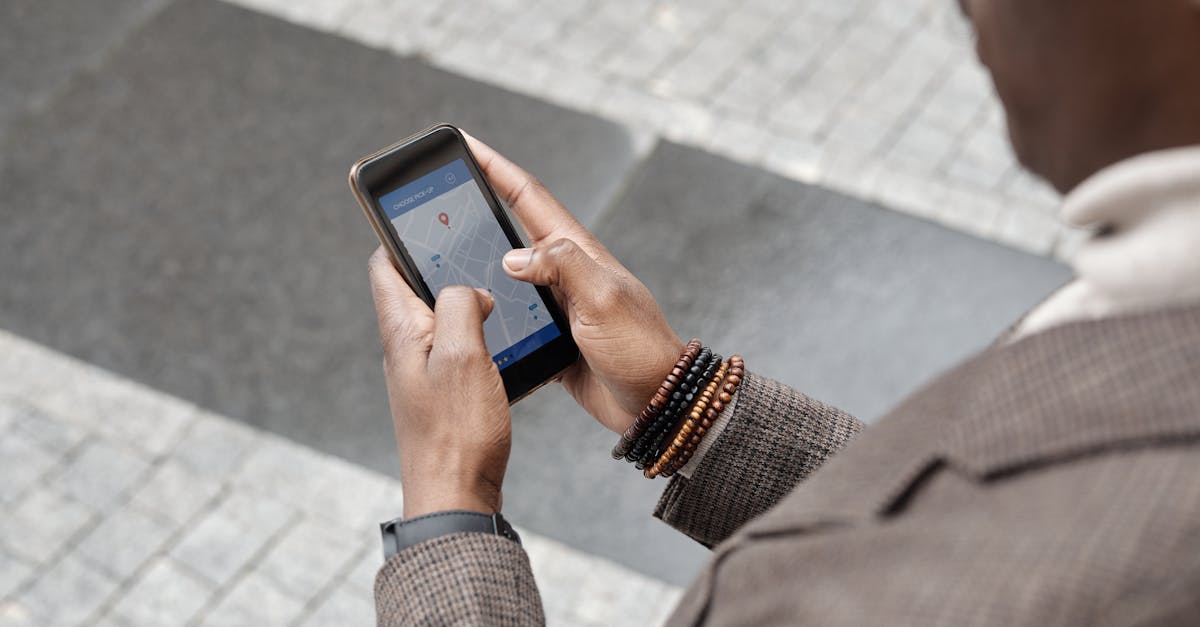
Before we get to the fancy apps, let’s talk basics. Your phone’s first job is to be a lifeline. I treat it like a critical piece of survival gear. Here’s my pre-flight ritual that most people skip until it’s too late: Download offline maps. Google Maps and Maps.me let you download entire cities or countries. Do this on Wi-Fi before you leave your accommodation. Save your accommodation location. Not just the address—drop a pin on the map. When you’re tired, disoriented, and can’t pronounce the street name, that pin is your beacon home. Screenshot everything. Boarding passes, reservation confirmations, the address of your hostel in the local language. Assume you’ll have no data when you need it most.
The Secret Weapon Apps You Haven't Heard Of
Everyone knows about Google Translate and XE Currency. These are the unsung heroes, the apps that solve problems you didn’t know you’d have.
1. TripIt: This is my travel brain. Forward every confirmation email—flights, trains, hotels, tours—to TripIt, and it magically creates a master itinerary. No more frantic inbox searching. The pro version even tracks flight delays and tells you your new gate before the airline does.
2. What3words: This one is genius and could literally be a lifesaver. The entire globe is divided into 3-meter squares, each with a unique three-word address. “///puppy.spoon.rocket” might be the exact spot where you’re stranded on a hiking trail. Emergency services worldwide use it. It’s far more precise than saying “I’m on the south side of the mountain.”
3. Citymapper: If you’re headed to a major city, this beats Google Maps for public transit. It tells you which subway car to board for the smoothest exit, calculates cost, and even factors in things like step-free access. It takes the anxiety out of navigating foreign transit systems.
The Art of Digital Discretion: Sharing Without Oversharing
Here’s what most people miss: safety isn’t just about reacting to danger; it’s about not broadcasting your vulnerability. I love sharing my journey, but I do it on a 24-hour delay. Posting that stunning sunset from a secluded beach in real-time is basically an announcement that you’re alone and away from your hotel. Share to close friends/family in real-time via private message, and save the public glory for later.
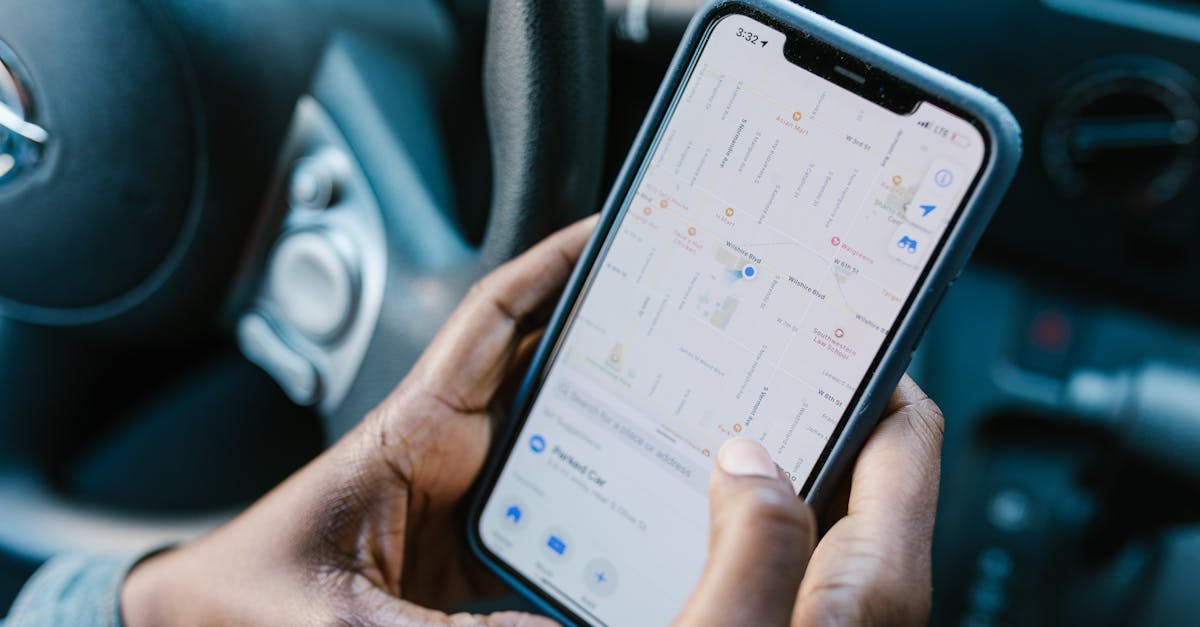
I also use location sharing with one or two trusted people back home. Google Maps and Apple’s Find My allow this. They don’t need to check it constantly, but it’s there if days go by without contact.
Old-School Tricks That Still Work (Really)
Apps are amazing, but don’t let your digital savvy make you complacent. Some rules are timeless: Carry a physical card with your name, emergency contact, blood type, and allergies in the local language. Keep it with your passport. The doorstop trick. A simple rubber doorstop wedged under your hotel/hostel room door from the inside adds a shocking level of security and peace of mind for a $2 investment. Trust your gut, not the FOMO. That insider tour of the “non-touristy” district with the overly friendly stranger? If your stomach clenches, listen. No Instagram photo is worth overriding your primal instinct.

Building Your Invisible Safety Net
Your most powerful tool is your own behavior. Blend in, don’t stand out. Study how locals dress and carry themselves. The person confidently walking with purpose is a harder target than the one spinning in a circle, looking lost at a map on their phone.
I’ve also found that making a quick connection can be a safety net. Chat with your hostel barista, the front desk person, or a fellow traveler at breakfast. Being a recognized face, not just a anonymous tourist, makes a world of difference. Someone will notice if you don’t come back.
So, is solo travel safe? It’s as safe as you make it. It’s about marrying smart, modern technology with timeless street smarts. It’s the confidence that comes from knowing you’ve got a digital Swiss Army knife and a sharp intuition in your back pocket. Now go plan that adventure. Just make sure your phone’s charged first.


