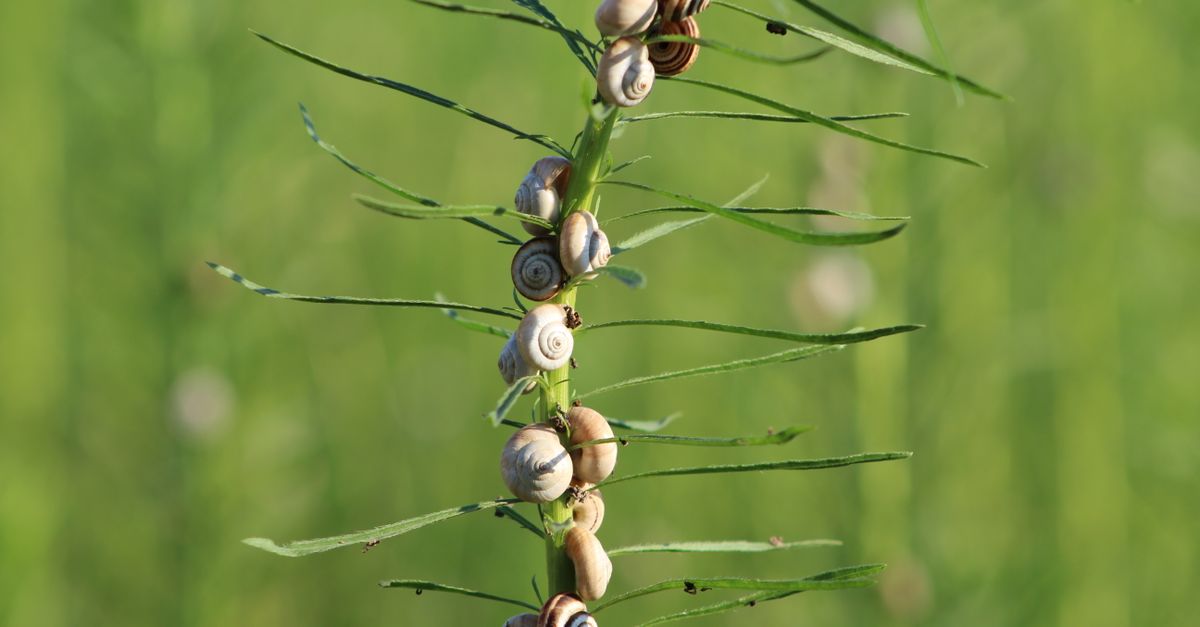
Snail shells can preserve a record of extreme weather and shifts in the landscape, according to research reported by ScienceAlert and Australia's nuclear science agency ANSTO. The findings suggest the shells function as a natural archive, holding chemical and structural clues about the conditions the animals lived through.
According to The Eastleigh Voice, the study points to a specific application: reconstructing prehistoric cyclones. Because snails build their shells in layers over time, those layers can retain information about the environment at the moment each layer formed. That makes a single shell a potential timeline of weather events long before modern instruments existed.
ANSTO, which reported on the work, is Australia's national nuclear science organisation, and its involvement indicates that analytical techniques were used to read the shells' records. ScienceAlert described the discovery as a surprising one, noting that the animals effectively carry this history on their backs.
The reports do not detail which snail species were studied, where the samples came from, or the specific methods used to extract the weather signals. The three outlets frame the work around the same core idea: that the shells can help scientists look back at storms and terrain changes that would otherwise leave little trace.

The research adds to a broader effort to find natural records of past climate and weather, a field that typically relies on sources such as tree rings, ice cores and sediments. Snail shells would offer another line of evidence, particularly for tropical storm activity.
What to watch next: whether the full study is published with details on species, locations and the time span the shells can cover.



