
Did you know that over 60% of international visitors to Japan never leave the Tokyo-Osaka-Kyoto triangle? That's right — the same Shinkansen selfies, the same conveyor-belt sushi, the same crowded bamboo groves. I was one of those tourists, once. But here's the truth I discovered after my third trip: Japan doesn't reveal itself in a week. It whispers its secrets over a month.
I'm Isha Dubey, and I've made a career out of traveling slowly. After spending 28 days in a single town on the Noto Peninsula, I can tell you with absolute certainty: slow travel in Japan isn't just a trend — it's a completely different experience. Let me show you why spending a month in one town beats a week in Tokyo, and why you're probably doing Japan wrong.
The Tokyo Trap: Why Speed Kills Connection
Let's be honest — your first trip to Tokyo is overwhelming in the best way. The neon, the vending machines, the 24-hour ramen shops. But here's what most people miss: Tokyo is designed to consume your attention, not to nurture your soul. You spend 60% of your time navigating trains, 30% waiting in lines, and 10% actually experiencing anything.
I remember my first week in Tokyo: I saw Shibuya Crossing, ate at a Michelin-starred sushi spot, visited the Meiji Shrine, and bought a thousand-yen melon pan. By day five, I was exhausted. I'd seen everything and understood nothing.
Compare that to my month in Wajima, a small fishing town on the Noto Peninsula. In a single week there, I learned to recognize the morning fish auction sounds, memorized the bus schedule (all two routes), and developed a relationship with the old lady who ran the corner tofu shop. That's the difference between looking and seeing.

The Hidden Economy: Your Money Goes Further
Here's a statistic that shocked me: The average tourist spends ¥15,000 per day in Tokyo. In a rural town like Wajima or Tottori, that drops to ¥5,000 — and you get better food and more authentic experiences.
Let me break it down:
- Accommodation: A traditional ryokan in Tokyo? ¥20,000 per night. In a small town? ¥8,000 with breakfast and dinner included.
- Food: A decent sushi meal in Tokyo? ¥3,000. In Wajima, the same quality from the morning market? ¥800.
- Activities: A guided tour of Tokyo's highlights? ¥10,000. A full-day pottery workshop in a local artist's home? ¥3,000.
The Unseen Japan: What You Actually Discover
Here's the thing nobody tells you: Japan's soul isn't in Tokyo's skyscrapers or Kyoto's temples. It's in the spaces between. The farmer who stops his truck to offer you freshly picked persimmons. The grandmother who teaches you to fold origami cranes while her granddaughter translates. The local festival that happens on a Tuesday afternoon because the shrine deity's birthday is that day.
I've found that slow travel unlocks three things most tourists miss:
- Seasonal rhythm: In a month, you watch the town change. The morning fog lifts differently. The local market shifts from mikan oranges to strawberries. You learn that Japan lives by the seasons, not the clock.
- Community integration: After two weeks, the convenience store clerk stops bowing and starts asking about your day. After three weeks, you're invited to a neighbor's dinner. You become a temporary local, not a perpetual outsider.
- Personal transformation: This sounds cheesy, but it's real. When you're not rushing from one "must-see" to another, you have space to think. I journaled more in that month than in the previous year. I learned to cook three regional dishes. I even started learning Japanese seriously — because I had time.

The Month-Long Itinerary: How to Actually Do It
If you're sold on the idea but don't know where to start, here's a framework that works:
Week 1: The Shock Zone
- Arrive, get lost, make mistakes
- Map out the town's daily rhythm: morning market, afternoon siesta, evening bath
- Find one coffee shop or bar and become a regular
- Sign up for a workshop: pottery, weaving, cooking, or calligraphy
- Start recognizing faces and names
- Learn basic phrases beyond "arigato" — "ohayou gozaimasu" goes a long way
- Take a day trip to a neighboring village — but come back to your home base
- Attend a local event: temple festival, community cleaning day, or sports match
- Start cooking with local ingredients you buy at the market
- You'll have a favorite spot for breakfast
- The neighbor will wave without you initiating
- You'll feel a pang of sadness at leaving — that's the sign it worked
Why This Matters Now More Than Ever
Here's the uncomfortable truth: Overtourism is destroying the Japan you came to see. Kyoto's Geisha district has closed private alleys to tourists. Mount Fuji's climbing trails are being regulated. Tokyo's Tsukiji Market is now a tourist trap selling overpriced street food.
Slow travel isn't just better for you — it's better for Japan. When you stay in one town for a month, your money actually reaches local businesses. The ¥5,000 you spend on a workshop goes directly to an artist, not a tour company. The elderly woman running the minshuku (guesthouse) can afford to keep her doors open.
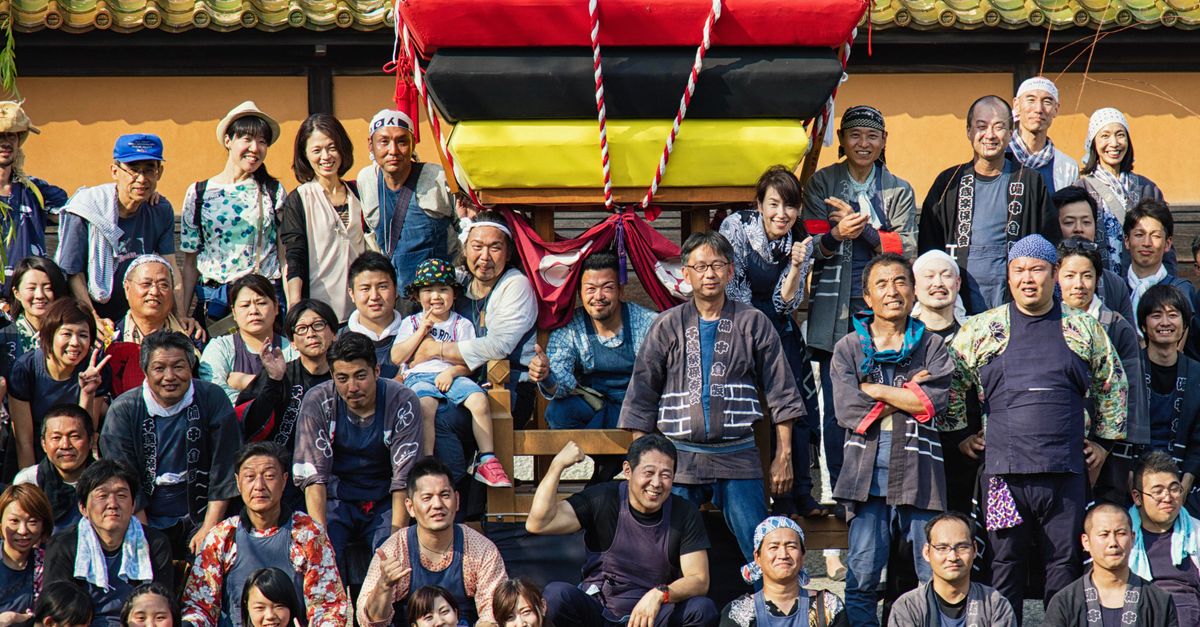
I've seen it firsthand: towns that embrace slow tourism thrive. Places like Obuse (Nagano) and Yunishigawa (Tochigi) have seen a resurgence because travelers stay longer, spend more, and form genuine connections. You're not just a visitor — you're an economic lifeline.
The Final Question
So here's what I want you to ask yourself: Do you want to see Japan, or do you want to live it?
A week in Tokyo will give you photos. A month in one town will give you stories. The first is a vacation. The second is a transformation.
I'm not saying skip Tokyo entirely — spend a few days there, get your fill of neon and ramen. But then, take the local train, not the Shinkansen. Go somewhere you've never heard of. Stay until the convenience store clerk knows your order.
That's where Japan actually lives. And trust me — once you've experienced it, you'll never go back to the bullet train tour.
Ready to plan your slow travel adventure? Start by picking one prefecture, not three. Choose a town with a craft tradition. And book a month-long stay, not a week. Your future self will thank you.


