
I still remember the exact moment I realized I'd been traveling wrong for years.
I was in Rome. Three days. Colosseum, Trevi Fountain, a rushed plate of carbonara, a blur of selfies, then a train to Florence. I felt accomplished. I'd "done" Rome. But two years later, sitting at a tiny bar in Lisbon with a man named João who made pastéis de nata the way his grandmother taught him, I realized I couldn't remember a single real conversation from that Rome trip. I remembered photos. I didn't remember people.
That's the dirty little secret of the bucket-list travel era. We've optimized for quantity and accidentally deleted the thing that makes travel matter.
The 72-Hour Illusion (And Why It's Burning You Out)
Let's be honest — most of us travel on borrowed time. Vacation days are scarce, flights are expensive, and there's this quiet pressure to squeeze maximum "experiences" into minimum days. So we build itineraries that look like spreadsheets: five cities in ten days, three countries in a week, one sunrise hike squeezed between two museum visits.
Here's what most people miss: that pace doesn't make you a better traveler. It makes you a tired one. You spend more time in transit than in place. You eat at whatever's closest to your hotel because you're too exhausted to wander. You leave a city knowing its landmarks but not its rhythm.
I've found that the human brain doesn't actually form strong memories from speed. It forms them from repetition, from small rituals, from the moment a barista starts recognizing you and asks how your day's going. Slow travel isn't just a travel style — it's a way of letting a place actually imprint on you.
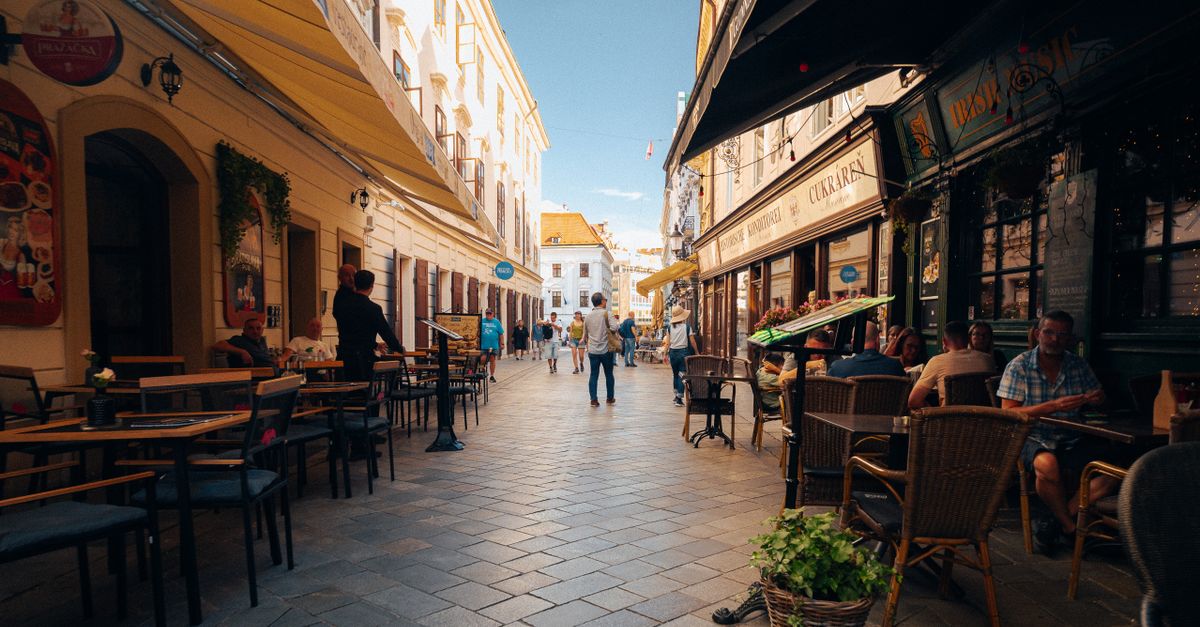
What Slow Travel Actually Means (Spoiler: It's Not Just "Staying Longer")
People hear "slow travel" and picture someone journaling on a hammock in Bali for six months. That's part of it, sure. But the real definition is simpler and way more accessible.
Slow travel means choosing depth over coverage. It's staying in one neighborhood long enough to know which bakery opens first. It's taking a cooking class instead of just eating the local dish. It's having a "boring" Tuesday in a foreign city — doing laundry, buying groceries, reading at a park — and realizing that's when the place starts to feel real.
You don't need months. You need intention.
Here's the shift that changed everything for me: I stopped asking "How many places can I see?" and started asking "How well can I see one place?" That single question rewired every trip I've taken since.
The Real Costs Nobody Warns You About (And the Hidden Savings)
Let's talk money, because this is where slow travel quietly wins.
When you bounce between cities every two days, you're paying for it in ways that don't show up on your budget spreadsheet at first glance:
- Transportation bleed — trains, flights, buses, airport transfers. It adds up fast.
- Accommodation premiums — short stays rarely get discounts, and you're often stuck in tourist-zone hotels.
- The "I'm exhausted" tax — you eat out more, buy more coffee, take more taxis because you're wiped.
- The rebooking stress — every move is a new check-in, new key, new learning curve.
Slow travel isn't a luxury for people with unlimited time — it's often the cheaper way to travel. The longer you stay, the more the place reveals its affordable side.

The Habit That Turns Tourists Into Locals
Want to know the single fastest trick to feeling at home anywhere? Build a morning routine.
I'm serious. Pick one café. Go there every morning for the first three days. Order the same thing. Learn the server's name. By day four, something shifts — you're no longer a stranger passing through. You're a regular.
From there, everything opens up. You get recommendations that aren't on TripAdvisor. You find the market, the park, the bookstore. You start noticing details that rushed travelers walk right past: the way the light hits the buildings at 6pm, the old men playing cards on the same bench every afternoon, the neighborhood cat that owns the block.
This is the stuff you can't photograph properly. It's also the stuff you never forget.
Rethinking the Bucket List
I'm not telling you to throw your bucket list away. I'm telling you to stop treating it like a to-do list you have to complete before you die.
A bucket list built on places will always feel incomplete. There will always be another city, another country, another "must-see." But a bucket list built on experiences — learning to make pasta in Bologna, surfing badly in Portugal, getting lost in a Kyoto neighborhood with no plan — those are the ones that stick.
Here's my challenge for your next trip: pick one place and stay at least seven days. No day trips. No rushing. Just be there. I promise the first two days will feel weirdly slow. By day five, you'll wonder why you ever traveled any other way.
And if you can't do seven days yet? Start with four. The point isn't the number. The point is giving a place the chance to surprise you.
The World Isn't a Checklist — It's a Conversation
The best travel advice I ever got came from a stranger in a hostel in Vietnam: "Stop trying to see the world. Let the world see you."
That line sounds cheesy until you live it. When you slow down, you stop performing travel and start experiencing it. You have conversations instead of transactions. You remember the smell of a bakery at 6am, not just the name of the museum you sprinted through.
So here's my question for you: What would change if your next trip had fewer destinations and more days? Where would you go? Who would you meet? What would you finally have time to notice?
The world's been waiting for you to stop rushing past it. Maybe it's time to stay a while.


