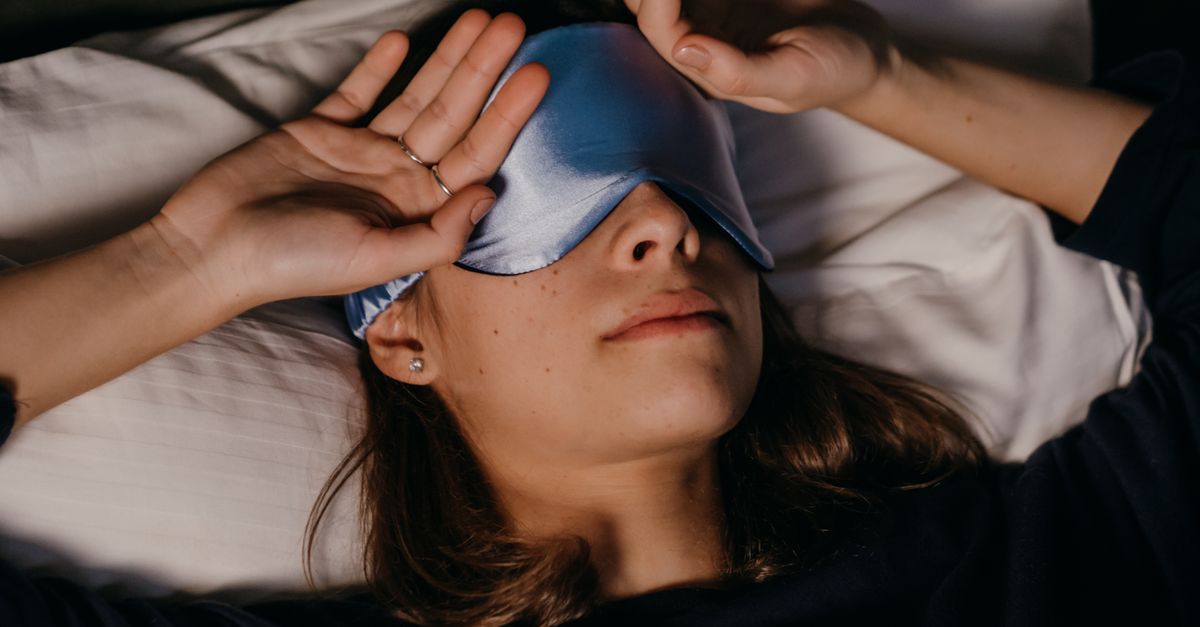
You've probably heard of sleep divorces, sleepmaxxing, and even sleep syncing with your partner. But here's a stat that genuinely stopped me mid-scroll: the global sleep tourism market is projected to hit $400 billion by 2030, according to recent industry reports. Not spa tourism. Not wellness retreats. Sleep. People are booking flights, checking into luxury hotels, and paying thousands of dollars to... do nothing but sleep better.
And honestly? I'm not even mad about it.
After years of hustle culture telling us that grind and five-hour sleep schedules were badges of honor, the pendulum has swung hard in the opposite direction. We're exhausted. We're wired. And we're finally willing to pay to fix it. Enter sleep tourism — a trend that's less about vacation and more about recovery.

What Exactly Is Sleep Tourism, and Why Is Everyone Suddenly Obsessed?
Sleep tourism is exactly what it sounds like: traveling specifically to improve your sleep. These aren't your standard hotel rooms with a pillow menu and a "Do Not Disturb" sign. We're talking about properties with circadian lighting systems, sleep-tracking smart beds, in-room meditation soundscapes, and sleep concierges who will genuinely tuck you in like a very expensive baby.
Here's what most people miss: this isn't just a rich-person fad. The rise of sleep tourism reflects something deeper — a collective burnout crisis. We're sleeping worse than ever. Screens, stress, and city noise have wrecked our natural rhythms. So when hotels started offering science-backed sleep programs, people didn't just bite. They booked entire weeks.
I've found that the best sleep tourism experiences combine three things: environment, science, and ritual. Miss one and you're just paying $800 a night for a dark room.
The Hotels Actually Doing Sleep Right
Let me walk you through some properties that are genuinely pushing boundaries — not just slapping "sleep package" on a spa menu.
1. The Cadogan, London — This Belgravia hotel partnered with a sleep specialist to create the "Sleep Retreat," which includes a sleep assessment, bespoke pillow fitting, and even a guided pre-sleep routine. Guests get a sleep kit with magnesium balms and a weighted blanket. I've heard from friends who've stayed here that the difference is noticeable by night two.
2. Six Senses Ibiza — Their "Sleep With Six Senses" program is arguably the gold standard. Rooms come with sleep trackers, blackout blinds that actually work, and a sleep ambassador who reviews your data each morning. The property also runs sleep-focused retreats with nutritionists and yoga nidra sessions.
3. Rosewood Hong Kong — They launched a "Sleep Journey" with circadian lighting that shifts throughout the day, an aromatherapy turndown, and a sleep-inducing dinner menu. Yes, food designed to make you drowsy. Genius.
4. Hotel Figueroa, Los Angeles — For a more accessible option, this DTLA spot offers a "Rest & Recovery" package with a sleep mask, essential oil diffuser, and a curated Spotify sleep playlist. It's sleep tourism without the five-star price tag.
5. SHA Wellness Clinic, Spain — More clinical than cozy, SHA's sleep recovery program involves medical-grade diagnostics, chronobiology consultations, and personalized sleep architecture plans. This is for people who've tried everything else.
The Science Behind the Hype (Yes, There Actually Is Some)
Let's be honest — a lot of wellness trends are nonsense wrapped in linen. But sleep tourism has real science underneath it.
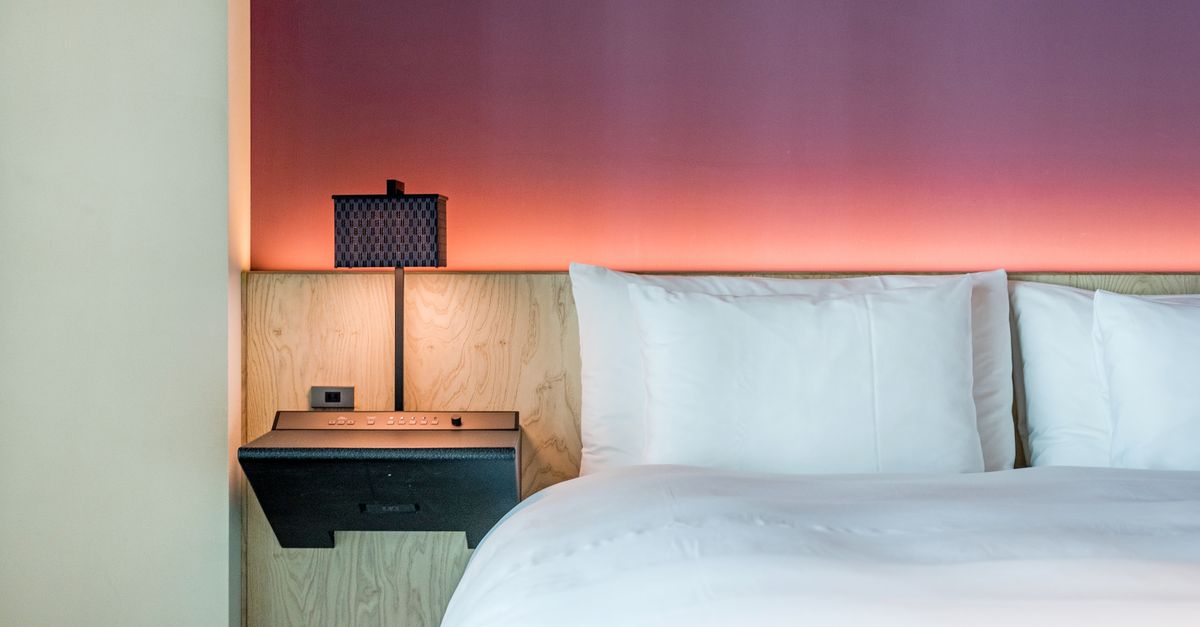
Circadian lighting, for example, mimics natural daylight patterns. Blue-enriched light in the morning helps wake you up; warm amber tones in the evening trigger melatonin production. Hotels like Six Senses and Rosewood are installing these systems because the research on light and sleep is genuinely robust.
Then there's temperature regulation. The ideal sleep environment sits around 65°F (18°C). Sleep-focused hotels are now using smart thermostats that adjust room temperature in sync with your sleep cycles. Some even cool the bed itself.
And the sleep tracking component? That's where it gets interesting. Wearables and under-mattress sensors collect data on heart rate variability, movement, and sleep stages. Hotels then use that data to adjust everything from your wake-up light to your breakfast timing. It's surveillance, but make it cozy.
The catch? You have to actually commit. Checking into a sleep hotel and then scrolling TikTok until 2 a.m. defeats the entire purpose. The best sleep tourism experiences require you to surrender control — no late-night room service, no Netflix binges, no "just one more episode."
What This Trend Says About Us (and Where It's Headed)
Here's the thing that fascinates me most: sleep tourism isn't really about sleep. It's about permission. We've built lives so overstimulated and overcommitted that we literally have to book a hotel and pay money to give ourselves permission to rest.
That's kind of sad. And also kind of brilliant.
The trend is expanding fast. Airlines are experimenting with sleep-friendly cabins. Airports are adding nap pods and sleep suites. Even cruise lines are getting in on it with "sleep voyages" that feature circadian lighting and sleep coaches at sea. I wouldn't be surprised if we start seeing sleep-focused destinations — entire towns designed around rest.
But here's my real take: you don't need a $1,500-a-night suite to sleep better. You need darkness, cool air, quiet, and a consistent schedule. Sleep tourism is a wonderful luxury and a legitimately useful reset. But if you can't afford it, don't stress — that stress is literally keeping you awake.

The Real Question: Would You Pay to Sleep?
So here's my challenge to you. Next time you plan a trip, ask yourself: what if the goal wasn't to see everything, but to rest deeply? What if you booked one night at a sleep-focused hotel — even a mid-range one with great blackout curtains and a decent pillow — and treated it like a medical appointment for your nervous system?
I've started doing mini "sleep stays" at local hotels once a quarter. One night. No plans. Just rest. It's cheaper than a spa day and honestly more effective.
The sleep tourism boom isn't going anywhere. And maybe that's a good thing — a sign that we're finally prioritizing rest over productivity. Or maybe it's just capitalism monetizing our exhaustion. Either way, I'm booking a room.
Would you try sleep tourism? Or does paying to nap feel like a step too far? Drop your thoughts — I read every comment, usually while procrastinating my own bedtime.


