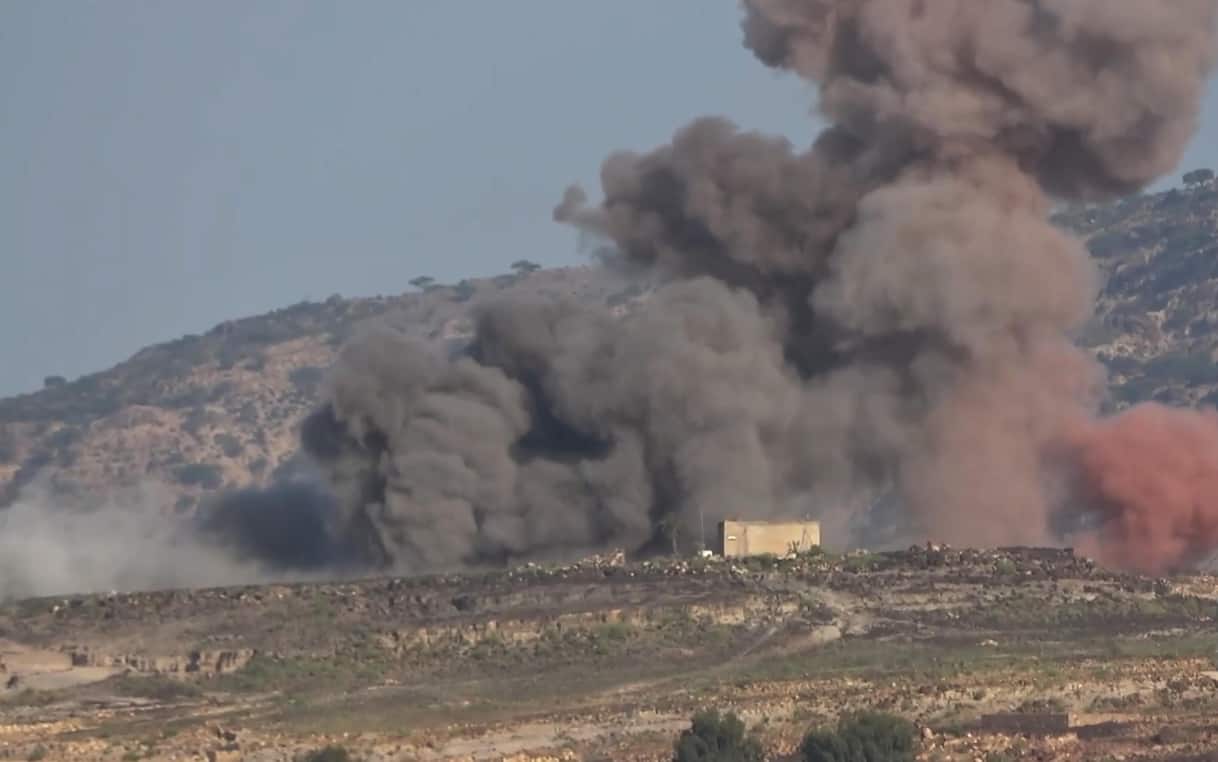
The Saudi-led coalition confirmed it carried out strikes on a Yemeni oil company facility in Sanaa, along with two other sites in the Saada and Dhamar provinces of western Yemen, according to Sky TG24. The coalition said the raids followed warnings telling civilians to leave the targeted area in the Houthi-held capital.
The coalition also announced that three missiles fired toward Riyadh and southern parts of the kingdom were intercepted. Sky TG24 reports that the loud explosions heard earlier in the Saudi capital and near an Aramco facility in the east were linked to air defense systems engaging those missiles.
Why it matters
The exchange marks another round in the ongoing tit-for-tat between Riyadh's government and the Houthis, and it carries consequences well beyond Yemen's borders. Missiles aimed at the Saudi capital and at energy infrastructure touch on global oil supply, which is why the strikes drew an immediate political reaction from Washington.
The Houthis have signaled they intend to answer the Saudi raids. According to RaiNews, the group said Riyadh should expect a "harsh response" to the attacks. That threat, combined with the confirmed missile launches, suggests the confrontation is not winding down.
Trump weighs in as Washington watches Iran
US President Donald Trump addressed the escalation in a post on Truth, saying the Houthis "are behaving very badly." He said he had believed the group learned its lesson a year ago, when, in his account, they were heavily bombed and the strikes stopped at their request. Trump added that the Houthis had stayed quiet for a long time but have now re-emerged, in his view probably at Iran's urging.
In the same post, Trump described Iran as a failing nation without a navy or air force, with what he called the world's worst economy and inflation at 301 percent. He accused the Houthis of deliberately trying to push oil prices higher, possibly ahead of the US elections, and said someone should explain to them that he will still be in office after the vote.
Separately, Axios reported that Israeli Prime Minister Benjamin Netanyahu and Trump discussed the possibility of launching a major new operation against Iran before the Israeli and US midterm elections. According to Axios, citing two US officials, an Israeli official and a fourth source familiar with the matter, Netanyahu raised concerns during the call about Israeli intelligence indicating Iran is taking "worrying steps" to rebuild its nuclear program.
Axios reports the call took place before Trump said he would not strike Iran ahead of the November 3 vote. A US official quoted by Axios said Netanyahu appears to want to act again and has raised the matter with the president a couple of times, but described the exchanges as preparations without a concrete commitment. A White House source called the report of a discussion about resuming war with Iran "false," saying the president has stated there will be no attack on Iran at any point before the midterms. Netanyahu's office said the prime minister maintains regular contact with Trump and senior administration officials.
Red Sea deaths and a wider regional backdrop
RaiNews also reported two deaths in the Red Sea following new Saudi raids. The same outlet carried remarks from Iranian official Mohammad Bagher Ghalibaf, who said Iran should prepare to face a long-term US economic war.
The renewed fighting sits against the broader conflict that has reshaped the region since October 7, 2023. On that date, Hamas militants crossed into southern Israel, attacking a rave party and kibbutzim near the Gaza border, killing families and taking hostages. The death toll from the massacre totaled roughly 1,300. Israel responded with Operation "Iron Swords," launching heavy bombardment of Gaza followed by a ground offensive that invaded the Strip. Nearly 80,000 deaths have been counted.
Over the following months the conflict spread across the Middle East. In September 2025 the White House published a 20-point peace strategy. The entry into force of a ceasefire did not fully halt hostilities over the past year, with several Israeli raids striking Gaza during that period. The Peace Council backed by Trump has not yet achieved its goals of disarming Hamas and securing the withdrawal of Israeli troops from the Strip.
The October 7 attack, launched under the name "Al-Aqsa Flood" after lengthy secret planning by Hamas, caught southern Israel off guard at dawn. Rockets were fired from nearby Gaza while militants entered Israel by land, on foot, in makeshift aircraft and on motorcycles, carrying out killings in kibbutzim and at a music festival. Estimates put the death toll at more than 1,200. Those events continue to shape Israel and the wider Middle East.
In a separate development, the EU Council approved the establishment of a support mission for Lebanon, reaffirming Europe's commitment to the country's stability, sovereignty and institutions.
The vote referenced in the source material also drew sharp criticism from Jewish organizations, the British government and Israel. Tel Aviv called the text "antisemitic" and barred Green Party leader Zack Polanski from entering the country.
What to watch
The immediate question is whether the Houthis follow through on their promised response to Riyadh, and whether the intercepted missiles mark the start of a sustained campaign against Saudi territory and energy sites.



