Saudi Arabia's King Khalid International Airport in Riyadh was struck by a projectile on Sunday, one day after an attack on the same site killed 12 people and injured hundreds, according to The Guardian. Saudi authorities said an "unidentified projectile" hit Terminal 4, and that air defenses intercepted and destroyed a cruise missile near the airport.
The kingdom's General Authority of Civil Aviation said Sunday's strike caused injuries but did not say how many people were hurt. Yemen's Houthi movement has claimed responsibility for both Saturday's and Sunday's attacks, saying it targeted the airport multiple times as well as Saudi energy facilities.
Why it matters
The back-to-back strikes on one of the region's busiest airports mark a sharp escalation, and they land at a delicate moment for global energy markets. According to The Guardian, the attacks have temporarily halted oil flows and pushed world oil prices higher. They also come just before the World Petroleum Congress, a major oil industry summit scheduled for this week in Saudi Arabia.
The timing raises questions about whether the gathering can proceed as planned. The chief executives of Shell, ExxonMobil, BP and TotalEnergies had been expected to attend, but The Guardian reports it is unclear whether those executives will take the risk given the repeated attacks.
What we know about the victims
Saturday's attack killed 12 people, among them an Egyptian flight attendant, a Syrian woman and an Indian national, according to The Guardian. The Egyptian woman was identified as Azza Ramzy, 28. The Syrian woman was named as Buthaina Ahmad Oweida.
The casualty figures have been reported differently across outlets. Punch Newspapers reported 12 killed and 309 injured in the airport attack, while AP News reported that Saudi authorities put the death toll from the Houthi-claimed attacks on Riyadh airport at three. The Guardian's account of 12 dead and hundreds injured is the figure cited in its live coverage of the crisis.
A warning to airlines, and a regional show of support
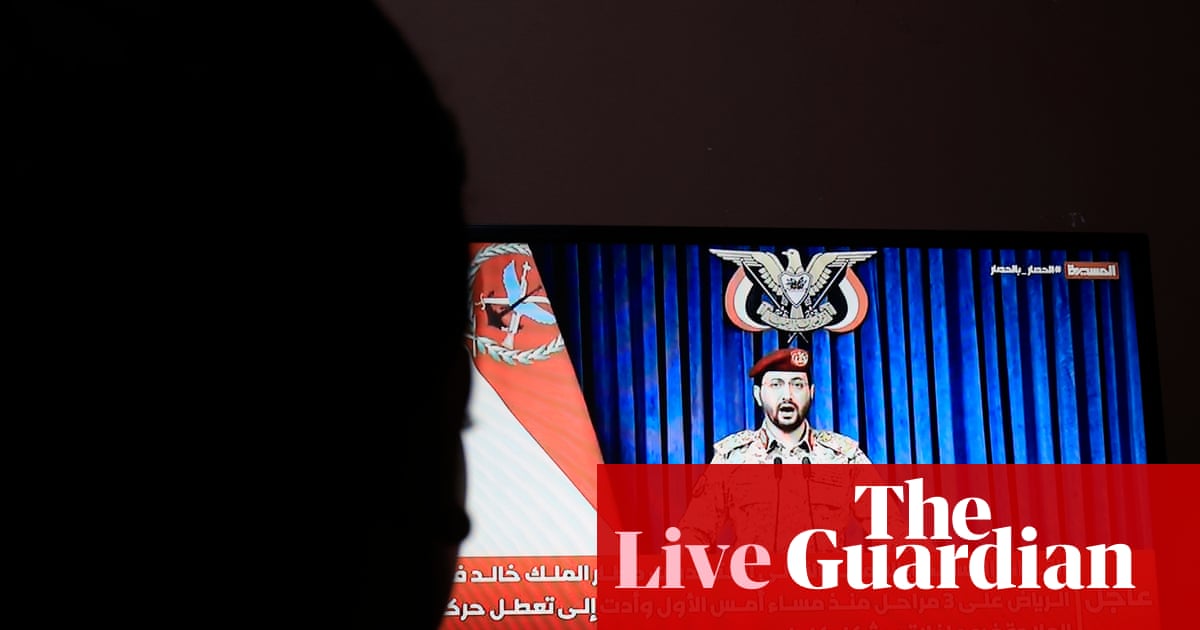
Before Sunday's strike, the Houthis issued a warning telling travelers and airlines to avoid Saudi airports. A military spokesman for the group urged the public to "take our warning seriously" and said Saudi Arabia "bears responsibility for any failed interceptions," according to The Guardian.
The United Arab Emirates issued a statement backing Saudi Arabia, expressing support for "all measures aimed at safeguarding the kingdom's security and stability," The Guardian reports. That message carries extra weight because relations between the two Gulf states have suffered a major rupture this year.
What to watch
The immediate focus is whether the World Petroleum Congress goes ahead as scheduled and whether the attacks continue, with oil markets and airline schedules both exposed to whatever comes next.



