
The global luxury resale market is projected to hit $50 billion by 2025. Meanwhile, a 26-year-old in Ohio just went viral for posting her exact grocery receipts and telling 2 million followers she's "manifesting nothing but a savings account."
Both of these things are true. And the tension between them is basically the whole story of how we spend right now.
I've been watching this collision for about two years — first with fascination, then with a growing suspicion that we're not just seeing a trend cycle. We're watching a full-blown rewiring of what money means. Quiet luxury told us to whisper our wealth. Loud budgeting told us to scream our savings. Somehow, in 2025, we're doing both at once.
The Death of the Logo (And Why Nobody Cried)
Remember when a Gucci belt was the whole personality? I do. I owned one. It's now in a drawer, judging me.
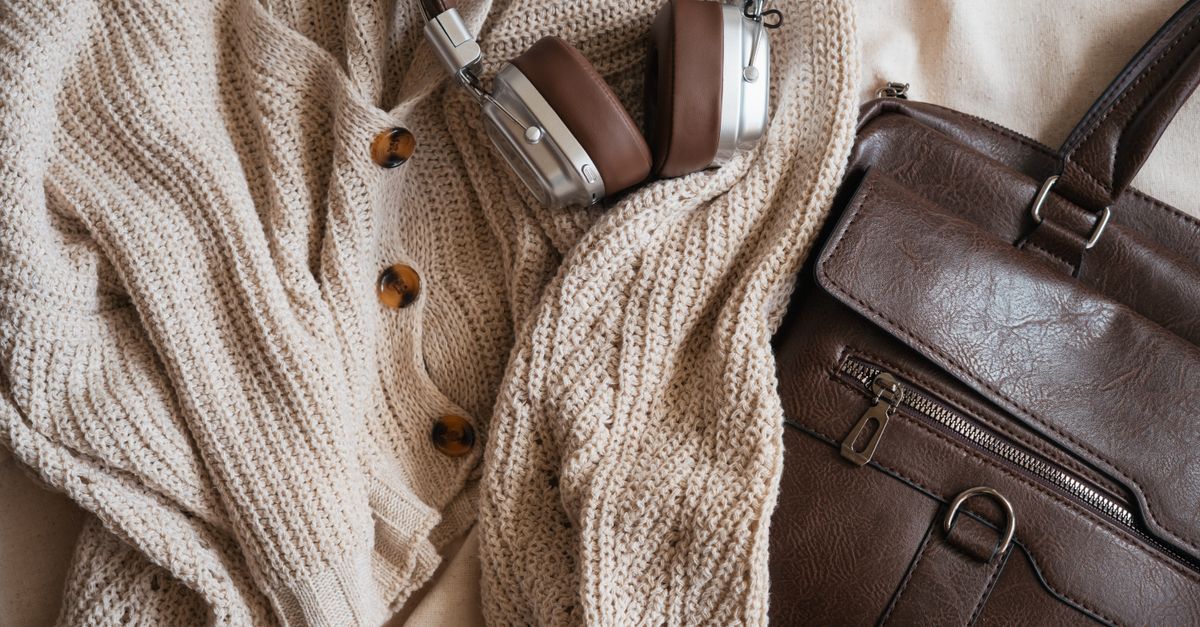
Quiet luxury — the aesthetic where wealth signals itself through $400 cashmere crewnecks and understated tailoring instead of logos — didn't come out of nowhere. It came out of a recession hangover, a TikTok backlash against flashy influencers, and honestly? A collective exhaustion with being advertised to.
Here's what most people miss: quiet luxury was never about spending less. It was about spending differently. The "stealth wealth" crowd wasn't frugal. They were just tired of being walking billboards. Succession gave us the visual language. Gwyneth gave us the wellness angle. And suddenly everyone wanted to look like they summered somewhere with bad cell service.
But around the same time, something weirder started happening on the other side of the internet.
Loud Budgeting: The Antidote Nobody Expected
Lukas Battle — a creator most people had never heard of — casually introduced the term "loud budgeting" in late 2023, and by 2024 it had become the defining money mindset for anyone under 35. The premise is almost stupidly simple: say no out loud, and say why.
"Can't come to your $80 brunch, I'm saving for a house deposit."
"Not doing the group trip this year, I'm paying down debt."
"I'm not buying that, I'm broke on purpose."
Let's be honest — a few years ago, that would've been social suicide. Now it's a flex. And I think that shift says more about our culture than any fashion trend ever could.
Here's why it stuck:
- Inflation made secrecy pointless. Everyone's rent went up. Pretending you're fine stopped working.
- Debt became a conversation, not a shame. Gen Z and millennials started treating financial honesty like therapy — awkward at first, weirdly liberating after.
- The influencer economy ate itself. Once everyone was selling something, "I'm not buying anything" became the most authentic thing left.
When Two Trends Walk Into a Bar
So how do you reconcile quiet luxury and loud budgeting? Simple: we've stopped spending to signal status and started spending to signal self-respect.
The same person who drops $300 on a Japanese denim jacket will proudly tell you she's canceled four streaming services and meal-preps on Sundays. That's not a contradiction. That's a value system.

The cultural shift here is subtle but enormous: spending has become a statement of identity, not income. You're not showing what you have. You're showing what you choose. Restraint is the new aspiration. Deliberateness is the new designer label.
And brands are scrambling. Luxury houses are stripping logos off bags faster than you can say "logomania." Budget apps are marketing themselves like lifestyle brands. Everyone's trying to figure out which side of the coin to land on — and the honest answer is: neither. The coin got flipped entirely.
The Psychology Nobody's Talking About
Here's where I get a little less optimistic.
There's something a bit performative about loud budgeting too, right? When "I'm saving" becomes a personality trait, it can slide into the same status game it was supposed to replace. I've seen creators shame people for buying coffee. I've seen quiet luxury influencers pretend a $1,200 coat is "investment dressing" when it's just... a coat.
Both trends risk becoming rituals of superiority dressed up as virtue. Frugality can be moralized. Minimalism can be a flex. And the second either one becomes a way to feel better than someone, we've just rebuilt the same hierarchy with different furniture.
The healthier version — the one I actually believe in — is quieter and less postable. It's asking: Does this purchase match the life I'm actually trying to live? Not the life I'm trying to project. Not the one the algorithm rewards.
What 2025 Is Really Asking You
We're living through the most financially transparent era in modern history, and simultaneously the most financially anxious. That's not a coincidence. When everything is visible, everything is comparable, and comparison is a tax on your peace of mind.
So here's my actual take, and you can take it or leave it:
Quiet luxury and loud budgeting aren't opposites. They're two answers to the same question — "What do I actually value?" One answers it with taste. The other answers it with discipline. The people who'll come out of this decade feeling good about their money are the ones who answer it with both.
Buy the good coat. Skip the brunch. Cancel the subscription you forgot you had. Tell your friends why. Wear the thing until it falls apart.

And maybe — just maybe — stop asking whether you're supposed to be quiet or loud about it. Nobody's keeping score except the apps trying to sell you something.
What's the last thing you spent money on that you'd defend in front of a crowd? I'm genuinely curious. Drop it in the comments — no judgment, loud or quiet.




