Portugal's parliament began its general debate on the government's proposed state budget for 2027 on Tuesday afternoon, according to RTP, which carried the session live. The opening of the debate comes against a backdrop of weeks of protests over housing, rising living costs and higher fuel prices — issues RTP reports are expected to shape the confrontation between the government and opposition parties.
RTP's live coverage listed a series of key moments as the session unfolded, including a call by the Frente Comum union confederation for a public administration strike on 20 November. The broadcaster also reported mutual criticism among the PSD, Chega and PS, disagreement between IL and Livre over spending and revenue, and a demand from the PCP for a rollback of the rent law. The CDS-PP, meanwhile, urged parties not to be intimidated by the protests, according to RTP.
Why it matters
The budget vote is the central economic event of Portugal's parliamentary year, setting the framework for public spending and taxation. The debate opens under unusual pressure: the Jornal de Negócios reported that parliament was starting budget discussions with housing protests in the foreground, while the Jornal de Notícias said the government enters the debate under pressure to go further.
The Observador, in an analysis piece, described the budget as having little room to absorb crises. Separately, RTP reported that the Conselho de Finanças Públicas, Portugal's public finance watchdog, considers a surplus plausible but warns of risks.
Parties clash over spending, rents and wages
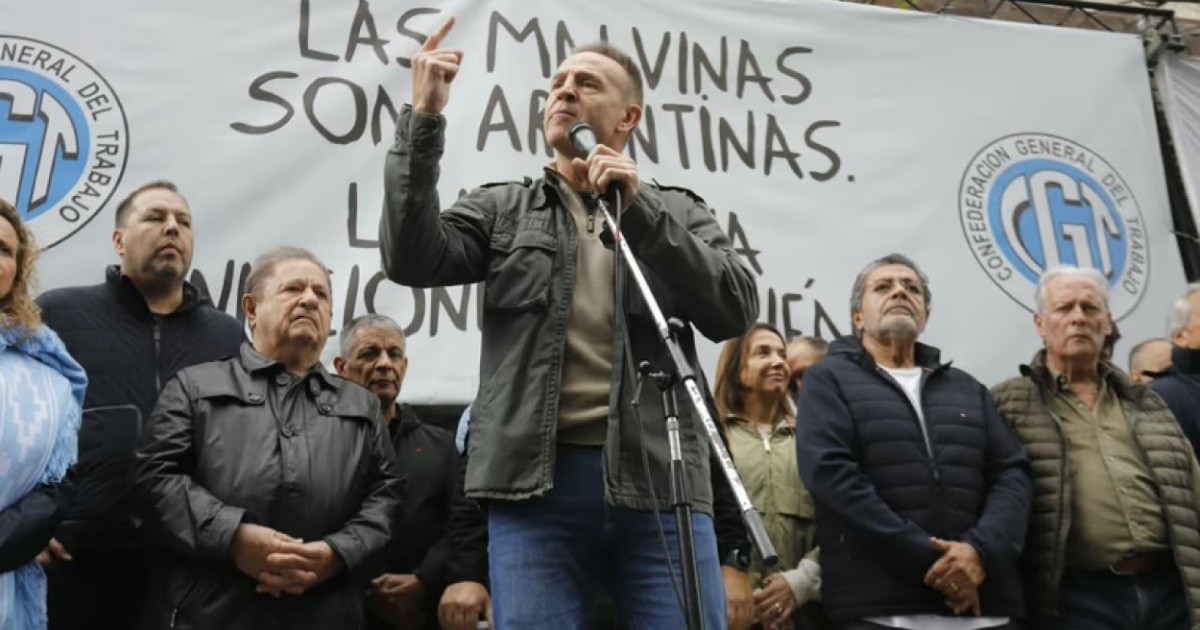
RTP's running account of the session captured the main lines of attack. The PS's Seguro framed the moment as one of urgency, saying the priority was solving the problems of Portuguese citizens, according to the broadcaster. A voice from the Frente Comum protest outside the São Bento parliament building argued that the government's task should be to raise salaries, RTP reported.
The PCP pressed for a retreat on the rent law, while the CDS-PP called on parties not to let the protests frighten them, according to RTP. The PAN and JPP both sought relief on the food basket, the broadcaster reported. RTP also recorded a note of frustration from one participant in the chamber: "Sometimes I no longer know what they are discussing."
Notícias ao Minuto carried a sharper opposition line, quoting criticism that the government is attacking public services and delivering "a freight to capital" — a phrase restated here as reported by that outlet.
A budget under external pressure
Beyond the chamber, the debate is being shaped by events the government does not control. The wave of housing demonstrations in recent weeks has put rental costs and access to housing at the centre of political argument, and the Jornal de Negócios framed the start of the budget debate around exactly that. Rising fuel prices add a second pressure point that opposition parties are likely to exploit.
The finance watchdog's assessment — a surplus within reach but not without risk, per RTP — gives the government a talking point on fiscal credibility while leaving room for opponents to argue that the buffer is too thin. The Observador's analysis made a similar point from a different angle, characterising the budget's margin for absorbing shocks as limited.
What to watch
The general debate is the first stage of the budget process, and the strike called by Frente Comum for 20 November will test whether street pressure translates into parliamentary concessions. Watch whether the government shifts on rents or wages before the debate closes, and whether the parties that clashed on Tuesday harden their positions ahead of the vote.