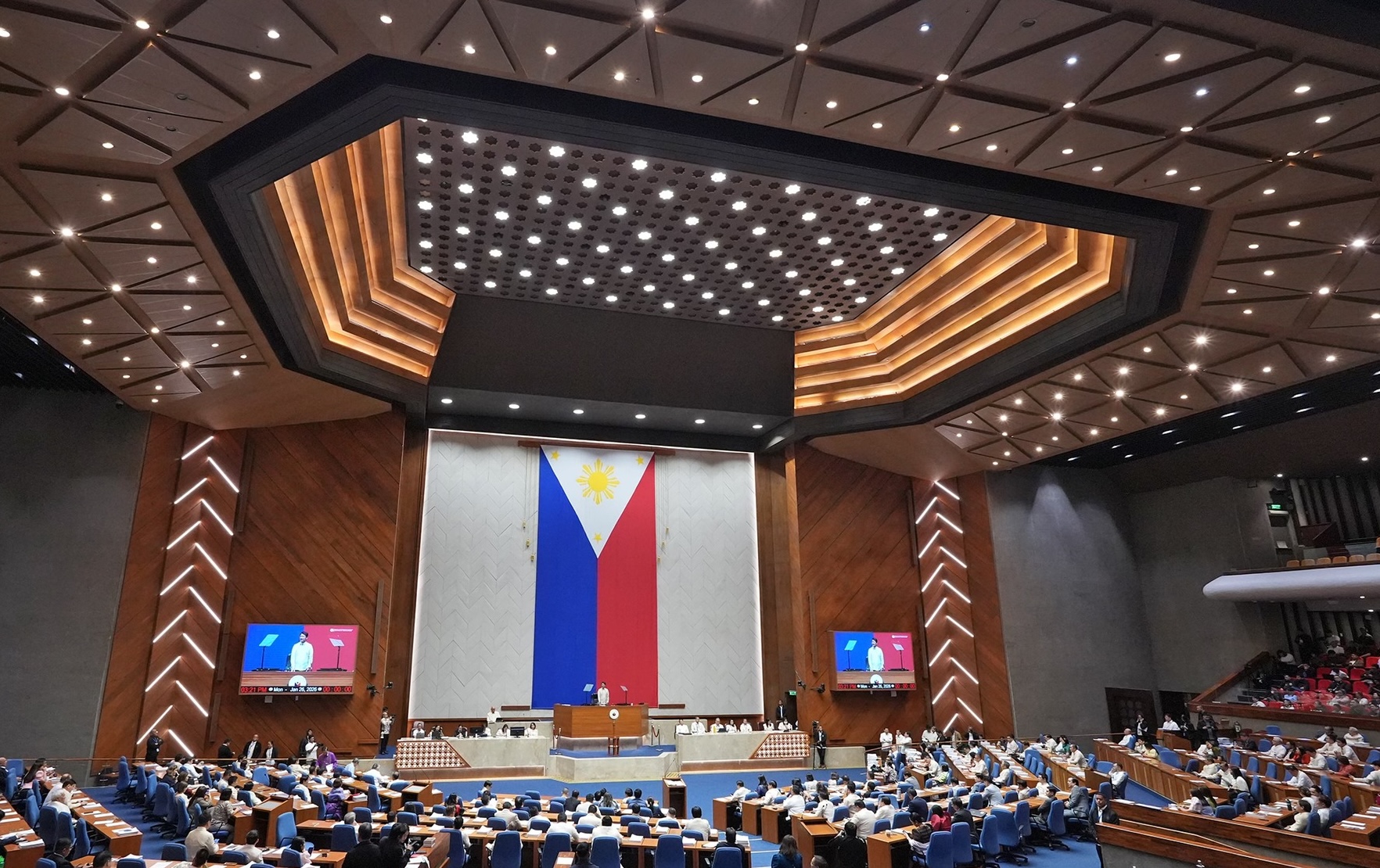
The House of Representatives approved the proposed P7.2-trillion national budget for 2027 on third and final reading on Monday, October 12, according to Rappler. The measure drew 282 votes in favor, but it also drew objections from a bloc of lawmakers and civil society organizations who say the spending plan carries pork barrel allocations and lacks transparency.
Rappler reports that among those who voted against the budget were Dinagat Islands Representative Kaka Bag-ao, Akbayan Representative Percival Cendeña, Kabataan Representative Renee Co, Mamamayang Liberal Representative Leila de Lima, Cebu City 1st District Representative Rachel del Mar, Gabriela Representative Sara Elago, Caloocan 2nd District Representative Edgar Erice, Kamanggagawa Representative Eli San Fernando, Navotas Representative Toby Tiangco, and ACT Teachers Representative Antonio Tinio.
Several of the opposing lawmakers pointed to the large allocation for ayuda, or social assistance programs, which they say are vulnerable to use for patronage politics. De Lima described the spending plan as election-centered rather than people-centered, according to Rappler. The 2027 budget will be in effect a year before the 2028 national elections.
Erice, San Fernando, and Tiangco also raised concerns about a lack of transparency in how the budget was processed. San Fernando questioned the budget amendments review committee's handling of a supposed executive session on Thursday, October 1. Rappler reports that the hearing's livestream was scheduled to begin at 1 pm but only started at 5:07 pm, and that during that meeting lawmakers set larger budgets for social assistance programs and infrastructure projects.
Why it matters
The budget is the single largest piece of legislation the Philippine Congress handles each year, and it determines how public money flows to social services, infrastructure, and government agencies. When a spending plan of this size is approved over objections about transparency and political patronage, the dispute is not only about numbers. It touches on how public funds are directed, who benefits, and whether the process can be scrutinized by the public. The objections raised this week echo a recurring debate in Philippine politics over pork barrel, the practice of lawmakers steering public funds toward projects and programs in their districts. The vote also sets up a confrontation with the Senate, which must pass its own version before the two chambers reconcile their differences.
Coalition flags cuts to foreign-assisted projects
The People's Budget Coalition, a civil society group that monitors the national budget, also criticized the proposed spending plan, warning against the use of public funds for political patronage, according to Rappler. The coalition singled out three programs in particular: the Department of Social Welfare and Development's Assistance to Individuals in Crisis Situations, the Department of Health's Medical Assistance for Indigent and Financially Incapacitated Patients, and the Department of Labor and Employment's Tulong Panghanapbuhay sa Ating Disadvantaged Workers.
The coalition also flagged a P130-billion reduction in foreign-assisted projects, including the Metro Manila Subway, the North-South Commuter Railway, bypass roads, and flood mitigation projects in major river basins. According to the coalition, these projects are backed by loans the Philippines has already signed. Cutting their budgets could delay implementation without canceling the loans, which the coalition warns could expose the government to additional commitment fees and penalties.
The PBC called on President Ferdinand Marcos Jr., Budget Secretary Kim de Leon, Public Works Secretary Vince Dizon, Senate finance committee chair JV Ejercito, and Senate President Win Gatchalian to look into what it described as abuses by the House. In a statement, the coalition said it would not allow the 2027 budget to become a venue for patronage and corruption again, referring to a trillion-peso flood scandal a year earlier. Rappler reports the coalition framed the budget as belonging to taxpayers and voters alike.
What happens next
The budget now moves to the Senate, where a parallel version must be drafted and approved before both chambers meet in a bicameral conference committee to reconcile their versions. Sessions in the House are set to resume on November 9 after a break for Undas, according to Philstar.com. The final version that emerges from the reconciliation process will require the President's signature before it takes effect.