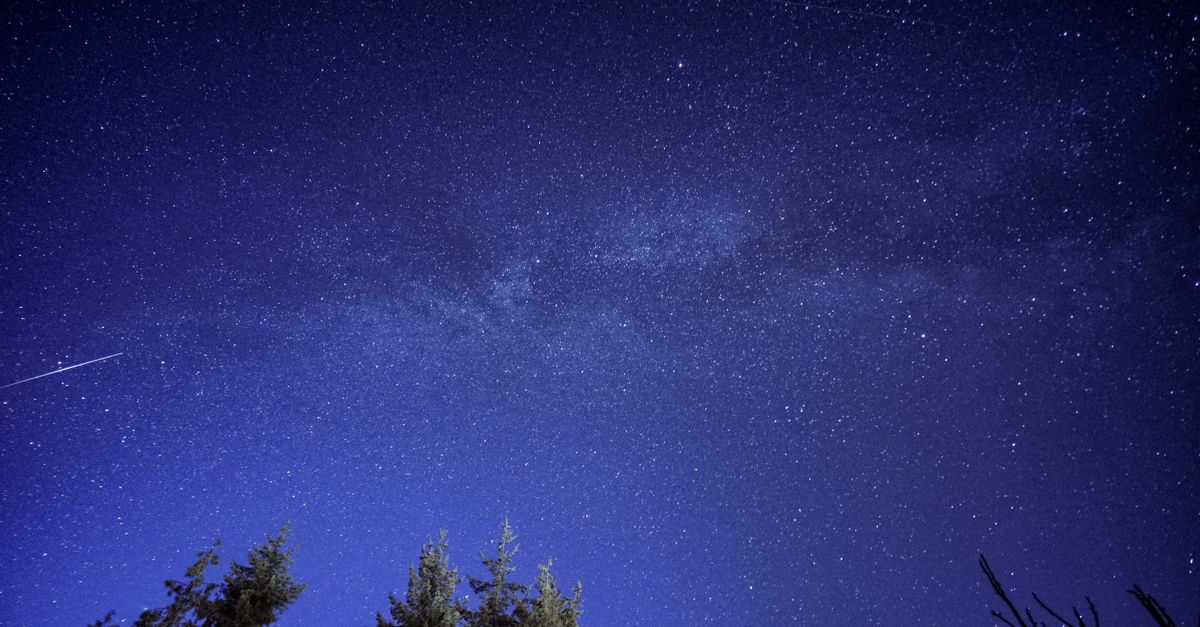
The Perseid meteor shower was visible over the desert region of Ningxia, China, on the night of August 15, 2026, according to a report from news.cgtn.com. The celestial display attracted stargazers to the area, where clear desert conditions offered an unobstructed view of the night sky.
The annual meteor shower, which occurs as Earth passes through debris left by Comet Swift-Tuttle, produces streaks of light as particles burn up in the atmosphere. The Ningxia sighting was one of several reported across the globe, with similar events noted in Hami, China, and Israel, where forecasters expected up to 100 meteors per hour at peak activity, as reported by China Daily and Haaretz respectively.
Observers in other locations faced less favorable conditions. A report from Yahoo noted that cloud cover in Utah was likely to obscure the meteor shower and an upcoming eclipse, though additional stargazing opportunities were expected in the following weeks. Meanwhile, Kompas.id indicated that there remained a chance to catch the Perseids after the peak, suggesting the shower's activity window extended beyond the main night.

The Perseids are a reliable annual event, typically active from mid-July to late August, with peak visibility occurring around mid-August. Dark-sky locations, such as deserts and rural areas, offer the best viewing conditions, as artificial light from cities can diminish the visibility of fainter meteors.
For those who missed the peak, the shower may still produce visible meteors in the coming nights, weather permitting. Observers are advised to find a dark location and allow their eyes time to adjust to the darkness for the best chance of spotting the display.



