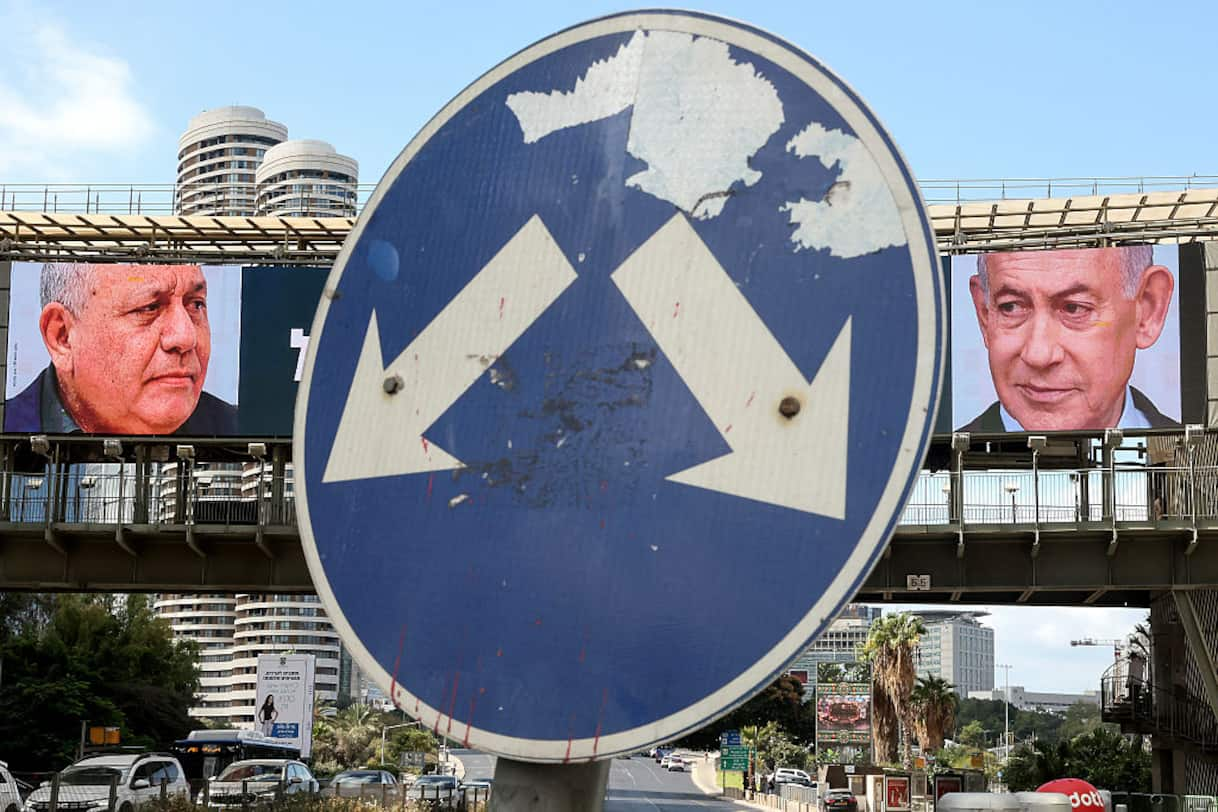
Israel's first parliamentary election since the Hamas attack of October 7, 2023 and the war that followed has left the country split down the middle, with no bloc able to command a majority in the 120-seat Knesset. According to figures reported by Sky TG24, with 100 percent of ballots cast at polling stations counted, Prime Minister Benjamin Netanyahu's bloc holds 53 seats, the opposition Change bloc led by Gadi Eisenkot holds 48, and Arab parties hold 19.
Those numbers are not final. Votes cast at polling stations account for 86 percent of the total, and roughly 650,000 so-called double envelopes remain to be counted. These are ballots from citizens who voted away from their home districts — soldiers, diplomats posted abroad, hospital patients and detainees — and they require a second round of checks, which is why the official result is not due until November 4, eight days after the vote.
Why it matters
Neither side can reach the 61 seats needed to form a government on the current count, which points toward difficult coalition negotiations and raises the prospect of yet another election. Sky TG24 reports that several exit polls had suggested a near-tie between the two camps, and the partial count has shifted the picture.
The result also carries weight beyond Israel's borders. The vote took place amid open fronts in Gaza, Lebanon and Syria, and with the question of Iran's nuclear program unresolved. A caretaker government making strategic decisions on those fronts is a problem in itself, as one former colonel quoted by Sky TG24 argued, describing a return to the polls as the most likely of the possible outcomes.
Turnout was 77.7 percent, the Central Elections Committee said, up 7.1 points on the 70.6 percent recorded in 2022. A total of 5,444,277 people had voted as of the latest count. More than seven million Israelis were eligible, with 36 parties on the ballot and only 13 registering in surveys above the 3.25 percent threshold.
Trump claims credit, and a role he has not yet weighed
US President Donald Trump commented on the early results in a short interview with Axios, saying that he had initially received "terrible" reports about Netanyahu's electoral prospects but that the premier was now "doing pretty well." Trump added that he had heard his own backing "made a big difference for Bibi," and posted a similar claim on Truth, saying Netanyahu had gone "from defeat to victory" with his support, according to Sky TG24.
Asked whether he would intervene to encourage a national unity government under Netanyahu, Trump said he had not yet considered it and would "take a look."
Arab parties surge as Likud alleges fraud
The Arab-majority parties are on course for 17 seats, according to early results and exit polls cited in the reporting, with Palestinian citizens of Israel voting in numbers not seen in decades. Al Jazeera put turnout among Palestinian voters in Israel at around 80 percent, a historic figure, and Il Fatto Quotidiano described the result as a winning bet for the Arab parties, which could now have real leverage in the talks to come.
Netanyahu has ruled out sitting in a coalition with Arab parties, Sky TG24 reports.
Likud, meanwhile, issued a statement alleging that the election had been "stolen by Arab parties that support terrorism and the elimination of the Jewish state" through what it described as corruption, threats, violence, forgery and the use of prohibited software to turn out voters. The party said it was supplying police, the Shin Bet and the Central Elections Committee with hundreds of testimonies and items of evidence from Arab polling stations, including envelopes of cash, pre-marked ballots and accounts of intimidation against polling officials. No independent confirmation of those allegations was included in the reporting, and no findings have been issued.
The Union of Italian Jewish Communities (Ucei) also weighed in, with ANSA reporting its statement on the fairness of Israel's democracy and the free expression of the vote.
Three paths, one likely
With the count incomplete, three outcomes are in play: a Netanyahu-led government, a government under the Change bloc, or a fresh election. Sky TG24 quoted analyst Milshtein saying that new elections currently look the most probable, since the other two appear considerably less plausible. He said the picture could become clearer by Friday morning, though it is unlikely either camp will reach 61 seats, and that next week would probably be spent hunting for complex and possibly creative arrangements. Both sides, he added, could return to the question of going back to the voters.
Corriere della Sera, assessing the same results, framed them as a Netanyahu win that leaves Israel further isolated.
What to watch: the double-envelope count and the official result on November 4, then the coalition arithmetic that follows.